Title: Inspiring Rescue and Recovery of a Grey Seal Pup at RSPCA Introduction: Witness the remarkable journey of a grey seal pup, culminating in a heartwarming rescue and recovery at the RSPCA. Rescue Story: This grey seal pup faced numerous challenges in the wild, but thanks to the dedicated efforts of RSPCA professionals, it received the care and support needed for a successful recovery. Recovery Process: At RSPCA, the pup underwent a comprehensive rehabilitation program tailored to...
Topics covered
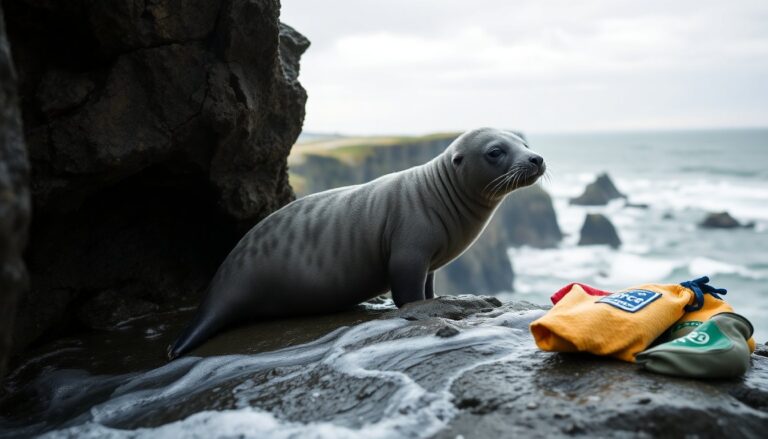
On a chilly day in December, a grey seal pup was found in a vulnerable condition on the rugged coast of Pembrokeshire. This young marine mammal had traveled an astonishing 120 kilometers in just four days, presenting a remarkable case for wildlife rescue teams.
Discovered at St Brides Bay, the pup required immediate assistance, displaying signs of dehydration and malnourishment after its long journey from the shores of Cornwall.
The RSPCA, known for its dedication to animal welfare, quickly mobilized to provide essential care.
Upon assessment, wildlife officer Ellie West noted that the seal was fully weaned, but showed concerning signs of being underweight. The journey had taken a toll, necessitating immediate intervention to ensure the pup’s survival.
The rescue process
Upon locating the seal on December 11, the RSPCA team acted swiftly.
The pup was brought into care, where it received electrolyte fluids and fish to help replenish lost nutrients and hydration. The initial examination revealed an alarming body condition, with visible rolls of skin indicating a lack of blubber.
Collaboration with marine rescue organizations
As part of the rescue effort, Ellie discovered that the pup had been marked four days prior at Port Gaverne, indicating it had been monitored by volunteers from the British Divers Marine Life Rescue (BDMLR). The seal had previously been assessed and deemed borderline for intervention. However, the young pup’s decision to swim towards Pembrokeshire in search of food led to its unfortunate condition.
“This is an extensive swim for such a young pup,” Ellie remarked, emphasizing the challenges faced by young seals in the wild. The RSPCA’s prompt response was crucial in providing Muse, as the pup was named, with a chance for recovery.
Life at the wildlife center
After being transported to the RSPCA West Hatch Wildlife Centre in Taunton, Somerset, Muse began a rehabilitation program. Named as part of the center’s thematic naming convention for the year, Muse joined other rescued seals like Elvis and Dido, each with their own stories of survival and recovery.
At the center, dedicated staff and volunteers worked diligently to ensure Muse’s recovery. By December 27, significant improvements were noted; the pup was responding well to treatment and gaining necessary weight. Initially weighing only 16 kilograms, Muse’s condition stabilized, and by Christmas Eve, it had reached 19 kilograms.
Challenges of seal rehabilitation
Rehabilitation for seal pups is a demanding process. During the seal season, which spans from September to March, the RSPCA spends an average of £1,400 per week on fish and veterinary care for each seal in their care. This financial commitment reflects the extensive resources required to rehabilitate these marine animals back to health.
As Muse continues to recover, the RSPCA stresses the importance of public awareness regarding seal welfare. They encourage individuals who spot seals on the beach to observe from a safe distance and refrain from approaching. Seals are wild creatures and can exhibit aggressive behavior if they feel threatened, which includes biting.
Important public guidelines
It is common for seal pups to be seen alone, as their mothers typically leave them briefly while they hunt for food. If you encounter a seal pup that appears healthy and shows no signs of distress, the RSPCA advises monitoring it from a distance for 24 hours. However, if the pup appears unwell, injured, or if the mother has not returned after that time, contacting the RSPCA emergency line is essential.
The RSPCA, known for its dedication to animal welfare, quickly mobilized to provide essential care. Upon assessment, wildlife officer Ellie West noted that the seal was fully weaned, but showed concerning signs of being underweight. The journey had taken a toll, necessitating immediate intervention to ensure the pup’s survival.0