Erfan Soltani: A Case Study on the Iranian Regime's Repressive Tactics Against Protesters As political tensions escalate in Iran, the case of Erfan Soltani serves as a critical example of the government's harsh measures targeting dissenters. This situation highlights the regime's ongoing efforts to suppress protest movements and maintain control over its citizens.
Topics covered
The Iranian government is under intensified scrutiny as it escalates its crackdown on dissent. The case of Erfan Soltani, a 26-year-old clothing shop owner, has garnered significant attention due to his impending execution, which serves as a stark reminder of the regime’s severe measures against opposition.
This situation has intensified following widespread protests last week, during which Soltani was reportedly involved.
Details of the upcoming execution
Soltani is scheduled for execution on Wednesday and will be allowed only ten minutes to bid farewell to his family.
This brief goodbye highlights the regime’s disregard for human rights and the emotional impact on families entangled in the political strife. Eyewitness accounts indicate that the protest he participated in was part of a larger movement opposing government policies perceived as oppressive.
The context of protests in Iran
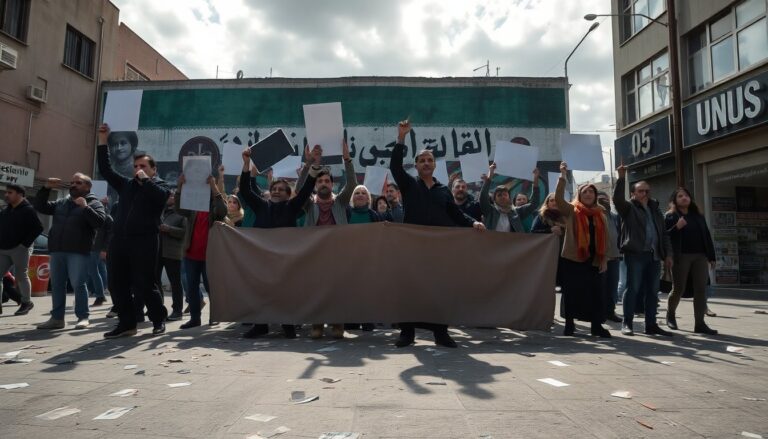
The protests that resulted in Soltani’s arrest arise from widespread dissatisfaction among the Iranian populace. Citizens express frustration over economic hardships, political repression, and a lack of fundamental freedoms. The regime’s response has been predictably severe, with authorities cracking down on demonstrations and punishing dissenters.
Despite these challenges, solidarity among the Iranian people remains robust. Many have turned to social media to voice their outrage regarding the impending execution and to rally support for Soltani. This digital activism underscores the role of technology in mobilizing public sentiment and fostering a sense of community among those opposing the government.
The implications of Soltani’s case
Soltani’s case exemplifies a troubling trend of state violence against citizens who oppose the Iranian regime. The government has a well-documented history of employing intimidation tactics to suppress dissent. The execution of young individuals like Soltani serves as a chilling reminder to others who may contemplate protesting.
International response and advocacy
The international community has reacted strongly against the Iranian government’s actions, demanding a commitment to human rights and an end to arbitrary executions. Organizations such as Human Rights Watch and the United Nations have called on Iranian authorities to reassess their stance on dissent and to interact with the population in a more constructive manner.
Activists and human rights defenders are mobilizing efforts to bring attention to Soltani’s plight and advocate for his release. They emphasize the importance of sharing his story to raise awareness about the broader human rights violations occurring in Iran.
A call for change
The impending execution of Erfan Soltani serves as a grim reminder of the Iranian regime’s repressive tactics against its citizens. As the situation evolves, there is hope that the resilience of the Iranian people will eventually lead to change. The world watches closely, and the actions taken in response to this crisis may shape the future of human rights in Iran.
In situations like these, the importance of collective action and international advocacy cannot be overstated. Amplifying the voices of individuals such as Soltani enhances the prospects for accountability and reform within the Iranian government. The struggle for freedom and justice continues, and every effort contributes to this critical cause.