Maximize Your Home's Heating Efficiency This Winter Are you looking for innovative strategies to boost your home's heating efficiency during the winter months? Explore these proven techniques to keep your space warm while reducing energy costs: 1. Seal Drafts and Leaks: Identify and seal any drafts around windows, doors, and other openings to retain heat and improve overall energy efficiency. 2. Upgrade Insulation: Ensure your home is properly insulated, especially in attics and basements,...
Topics covered
As winter grips the UK, keeping your home warm is more important than ever. One crucial element of home heating, the central heating radiator, can encounter problems if not properly maintained. Homeowners who overlook routine checks may face chilly spots in their homes, even when their heating systems are operational.
To prevent these discomforts, it’s vital to understand how to maintain your radiators effectively. A common issue is trapped air within the system, which can lead to inefficient heating. Fortunately, you can resolve this with a few straightforward steps.
The importance of regular radiator checks
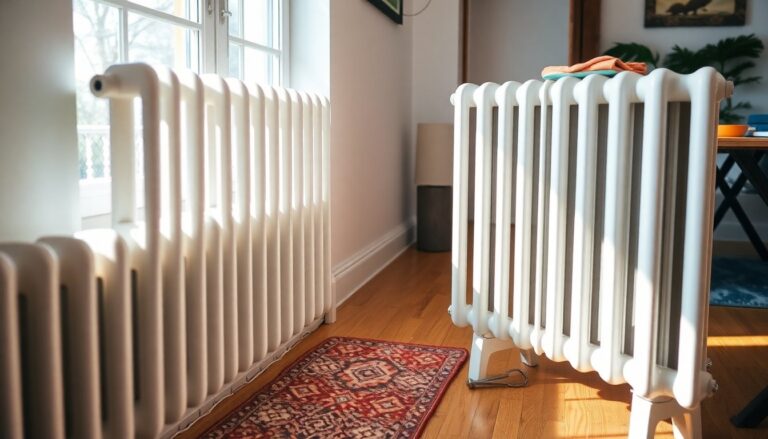
During colder months, radiators play a key role in heating many British homes. If a radiator isn’t heating evenly, it may be time to bleed the radiator. This process releases trapped air, allowing hot water to circulate freely and warm your home effectively.
A representative from British Gas emphasizes that ensuring your radiators heat uniformly is an essential first step.
How to bleed your radiator
To bleed your radiator, first ensure that the heating system is off and the radiators have cooled down to avoid burns. You’ll need a radiator bleed key, available at most home improvement stores for around £1. Locate the bleed valve, usually at the top of the radiator.
Using the radiator key, turn the valve counterclockwise. You’ll hear a hissing sound as air escapes. Once water starts to trickle out, close the valve securely. It’s advisable to have a small dish or bowl handy to catch any spills, as neglecting this can lead to unsightly water stains on your flooring.
Preventing future radiator issues
After successfully bleeding your radiators, establish a routine maintenance schedule. Regular checks and bleeding can help prevent cold spots from reappearing. Keeping your radiator bleed key accessible can save you time and effort in the future. If you prefer not to handle this task yourself, hiring a professional is an option, typically costing around £100.
Additional tips for a warm home
Beyond radiator maintenance, consider other strategies to enhance your home’s warmth this winter. One effective method is draught-proofing. Sealing gaps around windows, doors, and even letterboxes can stop cold air from entering and warm air from escaping. Common draught sources include cracks in walls, gaps around internal doors, and the loft hatch.
Another cost-effective solution is pipe lagging, which involves wrapping your hot water pipes with foam insulation. This simple method helps prevent heat loss and can be completed quickly without specialized tools. Pipe lagging is available at most DIY retailers and is an excellent investment for maintaining warmth.