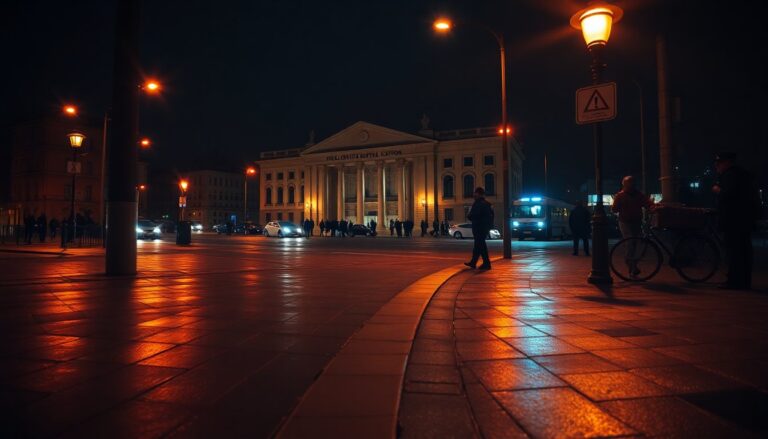
Bologna's Central Station: Addressing Safety Concerns Amid Rising Violence and Crime Bologna's Central Station is currently experiencing a significant decline in safety, highlighting the city's ongoing battle against increasing violence and criminal activities. This pressing issue has raised alarm among residents and visitors alike, prompting discussions on effective solutions to enhance public safety and restore a sense of security in this vital transportation hub.
Topics covered
Bologna, a city renowned for its rich history and vibrant culture, is currently facing a troubling transformation. Once peaceful by day, the atmosphere shifts dramatically at night, with the Central Station becoming a perilous zone. This unsettling change has raised significant concerns about safety for both locals and visitors.
Recent tragic events have intensified scrutiny surrounding the station’s security measures and the increasing prevalence of crime in the area.
On January 5, the city was shaken by the fatal stabbing of train conductor Alessandro Ambrosio, an incident that highlighted the rising violence.
Ambrosio, just 34 years old, was attacked in a staff parking lot, suffering a single blow that tragically claimed his life. The suspect, identified as Marin Jelenic, had a history of violent behavior and had been ordered to leave Italy weeks prior, raising questions about law enforcement’s effectiveness in ensuring public safety.
The aftermath of tragedy
In the days following Ambrosio’s murder, the Central Station was under heavy police surveillance. Officers patrolled the area diligently, attempting to restore a sense of security. However, the haunting memory of that fateful night lingered. The dimly lit parking structure, where the incident occurred, remains a chilling reminder of the dangers that lurk in the shadows.
A precarious environment
As one navigates through the station’s underbelly, it becomes evident that the atmosphere is anything but welcoming. The once-bustling corridors now resonate with fear and uncertainty. Vagrants and drug dealers have increasingly made their presence felt, turning the station into a hub of illicit activity. Unsavory sights abound, from discarded drug paraphernalia to altercations between users and dealers, painting a grim picture of urban decay.
Witness testimonies reveal a growing sense of unease among commuters. Ibrahim, a regular traveler on the Bologna-Vignola line, described the chaos that often reigns during busy hours. “Young people, especially on weekends, create an intimidating atmosphere, leaving behind broken bottles and litter,” he lamented. This disarray is not an isolated incident but part of a broader trend of deteriorating public safety.
Rising crime statistics
Statistics reveal a jarring reality; the Bologna-Vignola train line has become notorious for its high incidence of violence. In alone, 27 assaults on conductors were recorded, constituting a staggering 18% of all reported incidents in the region. Such alarming figures underline the urgent need for enhanced security measures to protect both passengers and staff.
Community concerns grow
The fear surrounding the station extends beyond just the commuters. Local businesses have expressed their trepidation regarding safety. Antonio Sabatino, an employee at a car rental service near the station, remarked on the unsettling presence of unsavory characters frequenting the area. Similarly, Giorgio Gargiulo, who runs a nearby trattoria, described the station as a “violent place, dominated by drifters.”
In response to the escalating violence, local authorities have proposed measures such as urban bans to ensure public safety. However, community leaders argue that these measures must be expanded to encompass all municipalities intersecting with the train line. Such initiatives are seen as crucial steps toward reclaiming the station from the grip of crime.
The tragic death of Alessandro Ambrosio serves as a grim reminder of the urgent need for action. As Bologna navigates this turbulent chapter, the call for justice remains at the forefront of public discourse. Families of the victims implore authorities to take decisive steps to prevent further tragedies, emphasizing that community safety must be the top priority.