

Somerset Council and partners have stood down the major incident after extensive pumping and community support, while safety advice and drought pressures elsewhere in the UK underline the need for careful water management
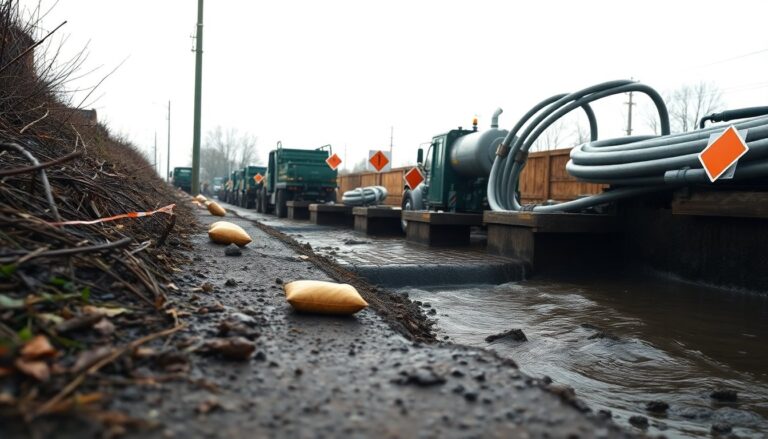
The recent flooding across Somerset has entered a new phase: the multi-agency emergency response that began with a Major Incident declaration on 27 January has been stood down and work is now focused on cleanup, recovery and monitoring. Local authorities, the Environment Agency and emergency services continue to operate pumps and support communities, even as on-the-ground conditions show signs of improvement.
This report summarises the operational shift to recovery, offers practical flood safety guidance for residents and drivers, and places the local situation in the broader context of national water pressures, where both flooding and drought management remain critical.
From major incident to recovery: what has changed
Following heavy rain and widespread inundation, agencies declared a Major Incident on 27 January to coordinate resources and protect people and property. By Wednesday 18 February partners agreed the immediate emergency phase could be stood down and replaced by a structured recovery programme.
That transition reflects improving surface conditions, ongoing pump operations and continued monitoring.
While the major incident status has ended, the response has not stopped. High-volume pumps remain in place across the Somerset Levels and Moors, including the latest deployments at Dunball that brought the total to 28 pumps in that area. Across Somerset, Dorset and Wiltshire the Environment Agency has deployed more than 60 high-volume pumps to manage water levels and protect properties.
Local impact and reporting
Data published by the Environment Agency indicate that 2,860 properties benefited from flood defences in Somerset, and 91 properties have been reported as flooded across the county, with 23 of those within the Levels and Moors. Residents affected by flooding are asked to use the council’s online Flood Reporting form so agencies can prioritise assistance and record impacts accurately.
Safety actions for residents and road users
Even in recovery, risks remain. Some roads are still closed—most notably the A361 between Burrowbridge and East Lyng—and agencies advise people to check travel updates before setting out. The principal safety message is unchanged: do not drive or walk through floodwater. Floodwater hides hazards and can move quickly; six inches of fast-flowing water can knock an adult over and two feet will float many vehicles.
Key practical steps include keeping up with travel information on local authority channels such as the @TravelSomerset Facebook account, following road closure notices, and consulting Somerset Road Safety guidance on driving in adverse conditions. If you believe there is a serious risk to life, always call 999 without delay.
What to do if your vehicle is caught in flood water
If your car becomes trapped, remove seatbelts and release children from seats, then call for help. Turn on lights and the horn to attract attention if that does not delay escape. If water is shallow, opening the windows and staying in the vehicle may be safest; if water rises rapidly, escape through windows or the sunroof and move to the roof, staying with the vehicle unless the current becomes overpowering. If the car tumbles downstream, it is usually safer to leave the vehicle and swim to shore upstream of the car, as advised by emergency services.
National context: flood, drought and water management
The Somerset situation is one part of a complex national picture where different regions face contrasting water challenges. While Somerset and other low-lying areas manage high river levels and surface water, parts of the country have recently experienced drought stress that affects farming, industry and river ecosystems. That contrast underscores the importance of strategic water management and investment in both flood resilience and drought preparedness.
Recent announcements from agencies show how regulators and stakeholders are balancing competing needs. For example, temporary abstraction restrictions and carefully timed irrigation allowances have been used elsewhere to protect river flows and supply while enabling limited agricultural activity. These measures demonstrate how hands off flow conditions and other licensing tools are applied to preserve environmental health and equitable water access.
Why coordinated response matters
Cooperation between councils, the Environment Agency, Internal Drainage Boards, emergency services and community volunteers is central to both immediate response and longer-term recovery. Leaders emphasise that although the major incident stage has ended, agencies will continue to support affected residents until no further action is required, maintaining pumping operations, monitoring vulnerable locations and providing guidance on safety and repairs.
For anyone impacted: report flooding through official channels, follow local travel and safety updates, and if you are at imminent risk call 999. Recovery is a multi-week process that relies on accurate reporting, sustained pumping and the availability of support services for households and businesses returning to normal.
