

Only three days left at the Winter Olympics 2026: get the full Friday timetable, medal-event highlights and broadcast details while Scotland's curlers continue their campaign.
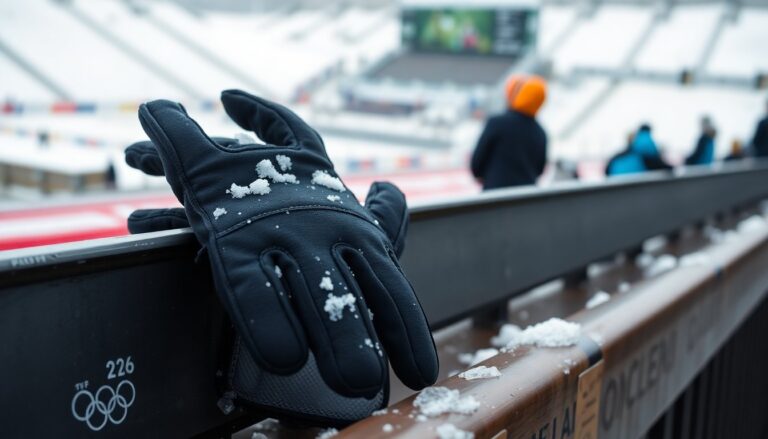
With three days remaining of the Winter Olympics 2026, competition shifts into its final, decisive phase as athletes and teams seek last-chance podiums. The situation reported here reflects the status published on 20/02/2026 00:33. Who will seize the closing narrative of these Games? Expect a concentrated slate of medal events across alpine, skating and sliding sports, intensified rivalries and national teams mounting final pushes.
Industry experts confirm athletes typically peak in the final days, and the trend that’s taking over is strategic risk-taking as contenders trade caution for opportunity.
The full Friday schedule
This update compiles the full Friday schedule and highlights the day’s medal sessions.
Sessions span morning qualification rounds through evening finals. Broadcasters in principal markets will carry live coverage and delayed highlights. The guide below organizes key sessions by local start time and international viewing windows.
How to watch
This article provides practical information on how to watch from home, on mobile devices or via live results services.
Streaming services and national broadcasters hold primary rights; viewers should verify local listings. Expect simultaneous streams for marquee finals and radio or text-based feeds for running results.
Scottish curling: status report
The Scottish curling team remains in contention as they press on in their campaign. This brief status report summarizes recent results, remaining fixtures and qualification scenarios. Those in curling circles know strategy and momentum matter most in the closing stages.
Framing Friday: pivotal sessions and where momentum can shift
Those in curling circles know strategy and momentum matter most in the closing stages. The opening of Friday sets a compressed timetable of qualification rounds, finals and medal ceremonies across multiple venues. Broadcasters schedule local live windows around the host city’s prime-time finals, while highlights packages condense decisive moments for later viewing. The day’s structure places the most consequential contests in the afternoon and evening sessions, concentrating medal-deciding action into a compact viewing block.
The trending moment
Across disciplines, the day features both preliminary heats and championship rounds. The pattern creates immediate stakes: athletes who advance in morning or midday sessions often return for evening finals. Industry experts confirm that this scheduling amplifies narrative tension and viewership peaks. Expect tight windows of live coverage punctuated by podium presentations that settle final medal tallies.
Expert insights
Coaches and event managers note that recovery time and session sequencing will influence performances. Short turnaround between heats and finals can favour athletes with depth and established routines. Event organisers also monitor venue logistics closely to avoid overlaps and ensure timely medal ceremonies. Broadcasters coordinate feeds to prioritise the highest-profile finals while offering delayed or condensed coverage of secondary events.
How to follow the action
Check local broadcast listings and official event schedules for venue-specific start times. Live streams will cover key finals in host-time prime slots, with highlights and condensed replays available later. For a focused viewing plan, concentrate on the afternoon and evening sessions where most medal events and podium decisions occur. Those tracking
The day’s concentrated format makes Friday a decisive 24-hour window in the closing phase. Expect momentum swings and final podium confirmations as athletes contest for gold, silver and bronze, shaping the concluding storylines of the games.
How to watch: broadcast and streaming options
Expect comprehensive coverage across national broadcasters and authorised Olympic streaming platforms as athletes settle final positions and narrative arcs develop. Those in the broadcasting industry confirm that rights holders will prioritise marquee sessions and podium ceremonies. Use the official broadcaster in your territory or the International Olympic Committee’s authorised channels for the full Friday schedule. Many providers will offer live streams, on-demand replays and curated highlight packages. Check local listings for start times, package availability and any geo-restrictions that may affect access.
Where to tune in
National public broadcasters typically carry primary feeds, while pay-TV and streaming services provide supplementary coverage and multi-angle options. Official apps often include athlete profiles, real-time results and condensed match replays. Industry experts confirm that social platforms will host short-form clips and highlights from accredited feeds. For uninterrupted viewing, verify subscription requirements and device compatibility before session start times. Broadcasters may also implement blackout windows for certain events, so confirm territorial rights if you plan to follow a specific match or ceremony.
What broadcast coverage will include
Expect a mix of live competition, post-event interviews and podium ceremonies. Commentary teams will contextualise momentum shifts, tactical decisions and medal implications. The most innovative broadcasters focus on integrated data overlays, athlete biometrics and instant replay technology to support analysis. Those in fashion and lifestyle coverage will emphasise human-interest stories around athletes and ceremonial moments. For viewers seeking concise recaps, curated highlight packages provide elevated summaries without full-session commitments.
Practical tips for viewers
Confirm time zones and set alerts within official apps to avoid missing decisive sessions. If streaming, test your connection and the app before peak competition windows. Where possible, use wired connections for higher stability. Subscribe to authorised channels only to ensure legal access and optimal quality. Expect incremental updates to schedules as events progress; broadcasters often add late-session feeds to reflect changing podium prospects and final qualification matches.
Broadcasters often add late-session feeds as podium prospects shift and qualification matches conclude. Stay alert to schedule updates on authorised platforms and the official event timeline. Those tracking multiple events should prioritise feeds by medal potential and session length. Industry experts confirm that live coverage can extend well beyond competition time for interviews, ceremonies and analysis. Plan viewing windows with buffer time for overruns. For uninterrupted access, prefer stable Wi‑Fi and keep devices charged or connected to a power source.
Practical tips for viewers
Account for time zone differences and the expected duration of each session. Some finals include extended broadcast buildup, athlete interviews and ceremonies. Use the official event app or a broadcaster timeline to set reminders and follow real-time changes. For viewers relying on mobile networks, ensure you have sufficient bandwidth: high-definition streams can consume considerable data during extended coverage of medal events. Consider downloading short-form highlights where available to reduce data use. Keep headphones and a secondary device ready for alternate feeds or commentary streams.
Scotland’s curling team: continuing the campaign
The Scottish curling squad remains active as the tournament reaches its decisive phase. Their matches on Friday form part of a sequence that could affect playoff seeding or medal contention. Curling competitions often hinge on a few strategic ends; those decisive shots can shift momentum rapidly. Watch the key shots, sweeping patterns and the scoreboard swings to understand the match trajectory. Industry analysts note that tactical choices in late ends frequently determine which teams advance to medal rounds.
Expect broadcasters to adjust schedules as results clarify podium prospects. Monitor authorised channels and the event app for late-session feeds and court reassignment notices. The most innovative broadcasters will flag games with rising medal relevance to help viewers prioritise coverage.
The trending moment: shifting stakes as finals approach
Broadcast teams now prioritise sessions with rising medal relevance to help viewers choose coverage. Broadcasters add late-session feeds when podium prospects change and qualification paths become clearer. Industry experts confirm that these adjustments aim to balance live action with viewer demand and national interest. The shift reshapes which contests receive prime attention and can alter how audiences follow the final rounds across disciplines.
Scotland’s match approach
Scotland’s curling squad will lean on momentum and tactical discipline in the final rounds. Expect precise stone placement, aggressive sweeping and decisive calls from the skip. Matches can pivot on a single end or an unforced error, so standings may change rapidly. Those tracking qualification or podium ambitions should monitor live scoring and venue updates for immediate developments. The most innovative broadcasters will highlight matches with growing medal implications to guide viewers through a crowded schedule.
Medal events and moments to follow
Friday features a dense slate of medal-deciding contests across alpine, skating, sliding and team sports. Finals conclude before medal ceremonies, which typically take place at the venue or host stadium and are integrated into the For fans tracking national tallies or athlete legacies, these ceremonies mark key narrative beats. Coverage teams often sequence broadcasts to capture both competition climaxes and the ensuing medal presentations.
How to follow: live coverage and priorities
Live feeds, dedicated streams and official scoring services provide the fastest updates. Follow authorised platforms for schedule changes and last-minute session additions to avoid misinformation. Broadcasters will flag events with growing podium relevance and may switch feeds to reflect new stakes. Industry platforms also supply athlete interviews and expert analysis that contextualise results for viewers seeking deeper insight.
Expert insights and what to expect next
Analysts note that tactical sports—curling, biathlon and team events—remain most susceptible to late swings in standings. Expect broadcasters to concentrate resources where the medal picture is most fluid. For viewers, that means more real-time updates and selective prime coverage as the programme heads toward the closing sequence. The coming sessions will clarify qualification outcomes and refine medal forecasts across several disciplines.
The trending moment
The coming sessions will clarify qualification outcomes and refine medal forecasts across several disciplines. Broadcasters are honing schedules around late finals and decisive heats. Industry experts confirm networks will shift resources to sessions that most influence the This concentrated coverage aims to capture athletes in peak moments and to deliver clarity on who will contest the final podium places.
Expert insights on scheduling
Coverage strategy now centres on events with immediate medal implications and headline competitors. Analysts say that aligning live feeds to these sessions improves audience relevance and ratings. Those in fashion for sports media know that flexible windows allow broadcasters to extend coverage when unexpected developments occur. Consult official feeds for the latest programming adjustments.
How to plan your viewing
Identify the events with the most direct impact on the medal table and prioritise them in your timetable. Build a short list of sessions that match your interests—be it a single sport, national contingents, or medal-deciding finals. Use the event app and broadcaster schedules to check for late edits, venue changes, or extended windows.
Note: this briefing is current as published on 20/02/2026 00:33. With only three days remaining, schedules can remain dynamic. Expect adjustments and monitor official channels for last-minute updates as athletes contest the final medals of the games.
