

Prince Andrew has been taken into custody after searches at Wood Farm and a Windsor residence as police investigate alleged sharing of official information and claims connected to the Epstein files
Arrest and immediate police activity
On his 66th birthday, Prince Andrew was arrested in connection with material described as the “Epstein files.” Thames Valley Police said officers detained a man in his sixties from Norfolk on suspicion of misconduct in public office.
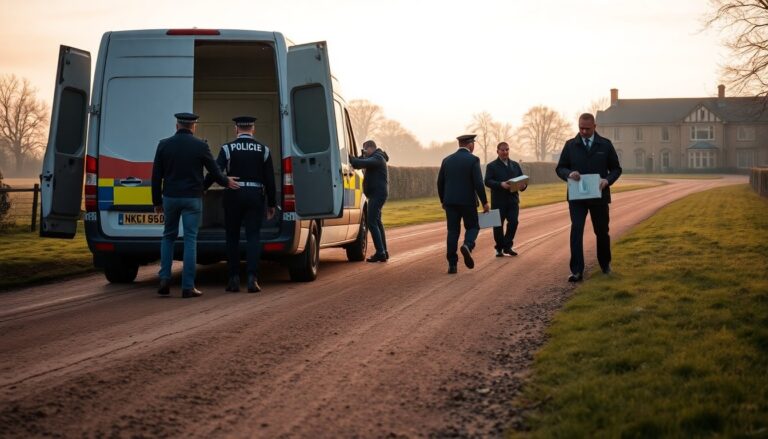
Searches were carried out at an address believed to be Wood Farm on the Sandringham estate and at a property in Berkshire likely to be Royal Lodge. Plain‑clothed officers arrived early, used unmarked vehicles and left in convoy. The former duke remains in custody while enquiries continue; the force has said it will protect the integrity of the investigation and will update the public when appropriate.
King Charles has said he will cooperate with any police inquiry.
What the files appear to show
Police opened the probe after assessing material connected to documents released overseas and often referred to as the Epstein files. Some of the released emails and notes reportedly include internal travel briefs and correspondence about official visits to places such as Hong Kong, Vietnam and Singapore.
Investigators are examining whether those documents—or parts of them—were forwarded to third parties, including people linked with the late financier Jeffrey Epstein. The files also reportedly contain discussion of potential commercial approaches, and some entries mention attempts to obtain money, including one reported approach seeking a £1 million payment. Authorities have not disclosed detailed contents of the material under review.
A coordinated, multi‑force review
Several UK police forces have acknowledged reviews of related material, and the National Crime Agency is supporting local forces. The Metropolitan Police has begun initial inquiries, including lines of inquiry involving former close protection officers, while other forces are examining leads tied to airports and flight logs. Forces named in public briefings include Surrey, Essex, Bedfordshire, Norfolk, Wiltshire, West Midlands and Police Scotland. Investigators are coordinating to establish the provenance, handling and dissemination of the documents and whether any criminal offences or misconduct investigations are warranted.
Evidence, procedure and legal complexities
Key investigative questions include chain of custody for the documents, who received them, whether the material was classified or otherwise sensitive, and the intent behind sharing. Forensic work—digital analysis, interviewing witnesses and seeking original devices—is under way, but timelines are uncertain, especially where cross‑border cooperation is needed. Police are balancing the need to pursue leads with legal protections such as privilege and data‑protection rules, and have been careful to avoid premature disclosures that could jeopardise investigative or legal processes.
Allegations, victims and sensitive reporting
Multiple survivors have made allegations linked to Epstein and his associates. One high‑profile accuser named in related material, Virginia Giuffre, has been reported by some outlets to have died by suicide; police and journalists are treating such matters with caution and sensitivity. Prince Andrew has repeatedly denied wrongdoing and has been asked to provide evidence to various inquiries, including U.S. investigations. Police forces say they are treating allegations seriously while testing them rigorously.
Sector and market implications
High‑profile legal inquiries can ripple beyond the courtroom. Law firms, crisis advisers and compliance consultancies typically see a surge in demand after such developments. Media organisations reassign resources to follow unfolding stories, and companies named in reports may face reputational and funding pressures. Insurers, close‑protection providers and firms involved in public‑sector contracts could also confront increased scrutiny and cost pressures as due diligence and vetting requirements tighten.
Public, political and institutional reaction
Campaigners and some politicians have demanded transparency and clearer cooperation with overseas investigators. Others caution against prejudging matters while enquiries continue. The prime minister has said he would not block parliamentary scrutiny if MPs seek debates. Questions about constitutional protections for senior royals and how evidence is handled have resurfaced, adding a political layer to an already complex legal picture.
Outlook
The next major steps will depend on what the forensic reviews and witness interviews uncover and whether any evidence is robust enough to justify formal criminal referrals or charges. Police plan to issue further updates when operationally appropriate. Meanwhile, market indicators and public attention are likely to remain sensitive to any new developments, and organisations named in the files can expect continued scrutiny until inquiries reach clearer conclusions.
If you’d like, I can condense this into a short briefing, produce a timeline of events so far, or draft suggested questions for journalists or policymakers. Which would be most useful?
