Families and disability organisations say failures around DNACPRs and the under‑investigation of deaths caused lasting harm and demand transparency and legal reform
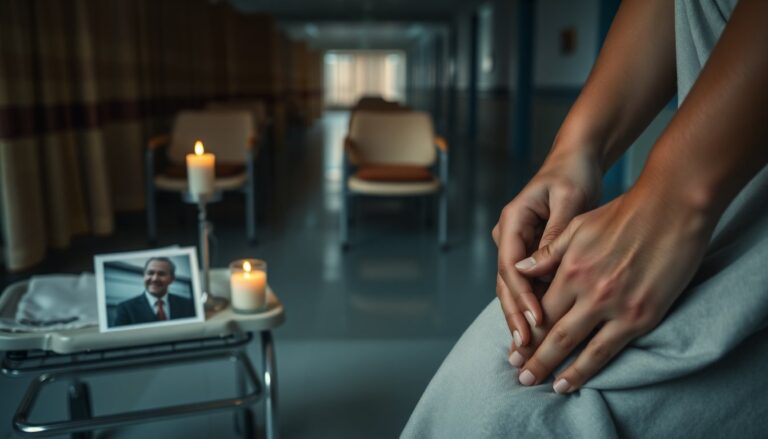
The UK Covid-19 Inquiry has become a focal point for survivors, bereaved families and disability organisations demanding clarity about how care was delivered during the pandemic. Testimony threaded intimate loss with pointed critiques of systems that, witnesses say, failed to protect people who relied on care.
Allegations ranged from dubious or hurried DNACPR decisions to deaths that went unexamined, and many speakers accused weakened oversight of deepening families’ grief.
Personal accounts sat alongside research from disability groups and academics, creating a picture that was both emotional and evidence-based.
Witnesses pressed for better data, firmer legal safeguards and a statutory duty of transparency so future public‑health responses do not repeat the same errors. A recurring image kept surfacing in evidence: scrutiny, like sampling a dish, reveals what’s authentic and what’s being disguised — and, they argued, honesty matters when life-and-death care choices are on the table.
One of the most searing testimonies came from Glen Grundle of Coleraine, who spoke about his mother Milda’s final weeks. Milda, who had multiple sclerosis, was reportedly urged by medical staff to accept a DNACPR. Mr Grundle says a consultant dismissed her life as having “no quality” because she needed a hoist and carers. The decision, he told the panel, felt rushed and lacked the multidisciplinary review that guidance recommends. The DNACPR form requested several signatures but showed only one — a discrepancy that prompted him to press for an inquest. “Quality of life is something only that person knows,” he told the inquiry, calling for truth, accountability and justice when treatment decisions are contested.
Grieving itself was transformed and, in many cases, obstructed by pandemic rules. Traditional wakes were cancelled, relatives were sometimes prevented from saying last words at the bedside, and the comfort of touch — a core element of mourning in many communities — was denied. Mental‑health professionals told the inquiry these disruptions erased the familiar sensory and social cues that help people process loss, leaving a prolonged, harder-to-heal sorrow.
Disability organisations — including Disability Rights UK, Inclusion Scotland and Disability Action northern ireland — argued that many deaths among people reliant on care were not properly investigated. They warned that temporary reporting easements and emergency rules led to fewer referrals to coroners, depriving families of answers and stalling accountability. Legal experts echoed that concern in written evidence, saying the changes risked creating lasting blind spots in how deaths are reviewed.
Campaigners also highlighted a lack of systematic scrutiny around the tools and practices used during the crisis. There has never been a comprehensive review into whether instruments such as the clinical frailty score or blanket DNACPR policies contributed to avoidable deaths. Without that forensic examination, they say, it’s impossible to assign responsibility or to learn lessons that could save lives in a future emergency.
Statistical evidence presented to the inquiry reinforced those fears: Covid‑19 mortality was higher among disabled people, with particular groups — including people with Down’s syndrome — suffering disproportionately. Campaigners want those patterns investigated thoroughly so future responses protect rather than marginalise people with disabilities.
Across testimony, the plea was consistent: better data, clearer rules and transparent reviews. If the pandemic exposed how fragile protections can be, witnesses urged that the remedy is neither rhetoric nor piecemeal change but a sustained commitment to scrutiny — the kind that reveals truth, rebuilds trust and ensures that care decisions respect the person at their centre.