

As missiles hit Gulf capitals, governments weigh action, sovereignty and the risk to vital energy and water systems while trying to preserve regional stability
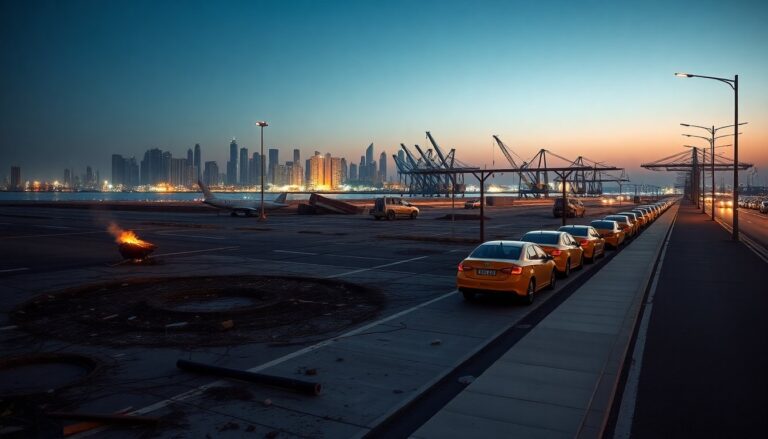
The recent missile and drone strikes on Gulf cities shattered a long-held assumption: commercial hubs like Dubai, Doha and Manama could remain insulated from the region’s violence. Beyond damaged runways, ports and power lines, the attacks pierced a carefully cultivated image of calm.
Leaders who once balanced open economies with cautious diplomacy now face an urgent reckoning: how to protect citizens, preserve markets and navigate increasingly fraught regional politics.
Three distinct paths lie ahead, each with trade-offs that will shape the Gulf’s security and economic landscape.
- – Harden defenses. Ramp up air and maritime surveillance, expand layered air defenses, and protect ports, airports, power and desalination plants. This raises the cost for attackers and signals resolve, but it requires sustained spending, risks a security-first posture that crowds out social priorities, and can provoke escalation.
- – Maintain strict neutrality. Double down on legal guarantees and crisis-management measures to keep commerce flowing and reassure insurers, shippers and investors. The appeal: protect the economic model without taking sides. The danger: perceived passivity can create public anger if citizens feel the state failed to safeguard daily life.
- – Combine defense with active diplomacy. Build new regional security architectures, seek international backing, and protect trade routes while pursuing mediation and leadership. This is the most complex route — it can preserve openness and deter aggression, but it demands tight coordination, exposes leaders to political blowback, and can falter if alliances crumble.
Practical choices break down into three operational tracks that can run in parallel.
1) Hard protection: speed procurement and deployment of interceptors, sensors and patrols; harden critical infrastructure; and boost cyber defenses for telecoms and energy networks. The aim is to make attacks less damaging and more costly.
2) Diplomatic and legal measures: open mediation channels, negotiate deconfliction mechanisms and insurance corridors, and press for international norms or third-party guarantees that shield commerce from conflict spillover.
3) Civilian resilience: diversify energy and water supplies, build redundancy into utilities, and strengthen emergency response and public drills so outages are brief and visibly managed.
Each track should have measurable milestones: procurement timelines, verified insurance arrangements for shipping, contingency plans and public exercises for utilities, and clear benchmarks for any diplomatic agreements.
Public opinion will be decisive. Attacks on infrastructure erode patience quickly. If governments appear slow or indifferent, protests and investor unease can follow, and political opponents will exploit the vacuum. Leaders must simultaneously reassure citizens they can protect everyday life, avoid looking like proxies for external powers, and keep ports and airports running to sustain global trade.
A sharper look at specific options and the risks they carry:
- – Calibrated deterrence: invest in interceptors, sensors and infrastructure hardening without offensive campaigns. Benefit: lowers vulnerability and preserves a sovereign posture. Risk: costly and not foolproof against determined adversaries.
- – Quiet diplomacy and mediation: host talks and act as honest brokers. Benefit: protects economic ties and burns less political capital. Risk: can be read as weakness at home; failed mediations damage credibility.
- – Denied or covert operations: limited, unattributed actions to disrupt threats. Benefit: tactical gains with plausible deniability. Risk: legal and moral hazards, and the danger of escalation if attribution later points back to the state.
- – Formal alignment with external partners: basing agreements or mutual-defense pacts. Benefit: substantial capability and deterrent boost. Risk: perceived loss of autonomy and becoming a direct target for adversaries.
- – Economic stabilizers and humanitarian measures: emergency liquidity, insurance backstops and investment guarantees. Benefit: calms markets and supports civilians. Risk: insufficient as a sole deterrent.
- – Legal and normative pressure: push for international sanctions, legal remedies and protections for civilian infrastructure. Benefit: builds pressure without arms. Risk: slow and dependent on global consensus.
What to watch next — key indicators that will reveal how the situation is evolving:
- – Diplomatic signals: both public statements and private envoys that either open or close space for talks.
- Deconfliction steps: military hotlines, observer missions or formal ceasefire arrangements.
- Targeting patterns: whether strikes concentrate on proxies or escalate toward national assets.
- Infrastructure attacks: strikes on power grids, desalination plants or ports intended to inflict economic pain.
- Allied moves: troop deployments, basing changes or new security guarantees from outside powers.
- Information shifts: changes in state messaging and media narratives that hint at harder policies.
Concrete near-term moves that would reduce risk and restore confidence:
- – Sustain and widen multilateral diplomatic channels that include regional mediators and outside guarantors.
- Build clear verification and sequencing into any de-escalation deals, with transparent milestones.
- Accelerate hardening of ports, airports, grids and water systems, and diversify critical supply chains.
- Clarify legal rules for any foreign basing or military action, and strengthen parliamentary or judicial oversight.
- Prepare contingency economic measures — insurance backstops, investor guarantees and emergency liquidity — to steady markets quickly.
- Improve civil-defense capabilities and public communication so citizens and businesses see real, tangible protection.
The choices are painful and politically fraught. But doing nothing — or repeating the same posture without adapting — risks deeper economic disruption and longer-term erosion of public trust. Gulf governments will have to balance deterrence, diplomacy and domestic legitimacy in ways that preserve both safety and openness. The next moves they make will shape not only regional stability but the future of the Gulf’s global role.
