A Housing Ombudsman investigation concluded that delays and service failures by Kensington and Chelsea Council warranted £3,800 in compensation and a formal apology
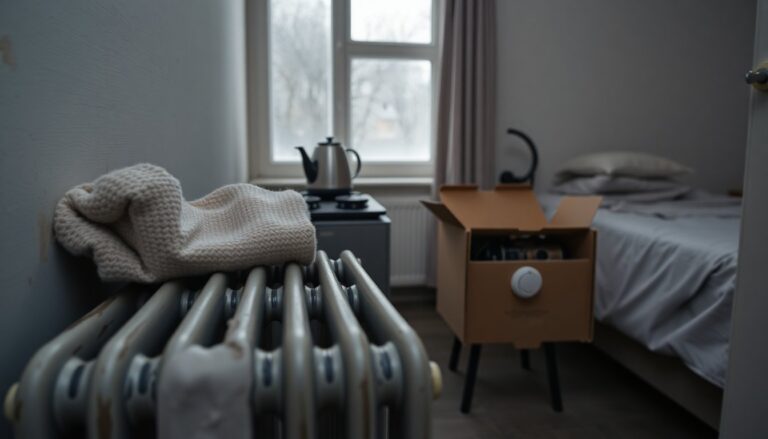
The case at the centre of this report involved a tenant who moved into a council property and immediately discovered there was no heating or hot water. The resident — who described ongoing struggles with anxiety and depression — spent time staying with family and friends because the flat lacked basic amenities and was described as uninhabitable.
The absence of a working boiler from the date the tenancy began on August 3, 2026 until a replacement was installed on May 15, 2026 left the household without central heating through the winter months and the Christmas period, a key element in the Ombudsman’s conclusions.
Findings of the Housing Ombudsman
The Housing Ombudsman concluded there had been maladministration by the landlord, identifying an “unreasonable” and extended delay in restoring essential services. The report emphasised that the council did not offer temporary solutions, failed to consider immediate health and safety risks, and did not explore temporary rehousing options.
The Ombudsman also highlighted that while some remedial steps were eventually taken, the council did not fully acknowledge every service failing or respond comprehensively to the tenant’s concerns, which compounded the harm experienced by the resident.
Specific property defects and incomplete works
Beyond the loss of heating and hot water, the Ombudsman found additional problems that undermined the tenant’s safety and comfort. These included unsecured windows with no functional locks and evidence of damp in the property. A damp inspection prompted some recommended repairs, but the council produced insufficient evidence that these works were completed as promised or within the agreed timescales. The Ombudsman also recorded maladministration in how complaints about window locks and unfinished works were handled, noting delays in escalation and follow-up communication.
Timeline and impact on the resident
The timeline recorded in the investigation is clear: the tenant reported the absence of heating and hot water on August 3, 2026, and the new boiler was not fitted until May 15, 2026. During that period the resident endured cold conditions at home, relied on others for shelter, and experienced worsening mental health. The Ombudsman judged that the council’s failure to act promptly was a significant factor in the distress caused and rated some of the service shortcomings as severe maladministration, a formal determination that triggered the remedies the tenant was awarded.
Redress ordered and required actions
As a consequence of the findings, the council has been instructed to pay the tenant £3,800 in compensation. In addition to financial redress, the Ombudsman ordered a written apology, a written learning action plan to be provided to both the resident and the Ombudsman, and an investigation into whether the property was in a lettable condition when it was occupied. The council must also respond in writing to ongoing reports of damp, to claims that a lounge wall was not painted, and to provide information on the status of a leak in the flat. The Ombudsman set a deadline for remedial actions to be completed by December 16, 2026.
Council response and steps to prevent recurrence
A spokesperson for Kensington and Chelsea Council said the authority accepted the Ombudsman’s findings and apologised for the unacceptable delay. The council described a programme of improvements introduced after this case in 2026, including fully testing heating and hot water systems and completing any necessary boiler replacements before new tenancies start. They also reported implementing weekly review meetings with a new gas and heating contractor to ensure prompt appointments and to restore gas supplies without delay. These measures are intended to reduce the risk of future service failures.
What tenants and landlords should take away
This case illustrates the responsibility landlords and housing authorities hold to make homes safe and habitable. The role of the Housing Ombudsman in assessing complaints and ordering remedies is central to protecting tenants’ rights. Tenants facing long delays in essential repairs should document reports, seek advice from tenant advocacy services, and consider escalating concerns to regulatory bodies when issues of safety, security, or basic services like heating and hot water are not addressed promptly.