An animal rights protester entered a Michelin-starred restaurant in Weymouth, removed a lobster kept for educational purposes and released it into the harbour; the court ruled the act was misguided and handed down a conditional discharge
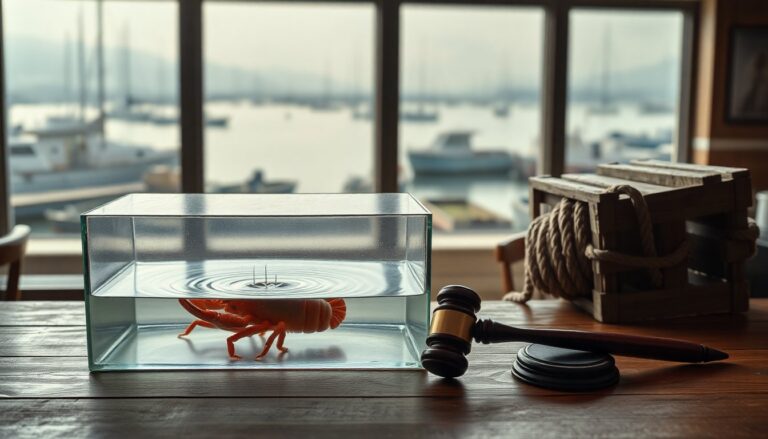
The case unfolded when Emma Smart, aged 47, entered the Catch restaurant at the Old Fish Market in Weymouth, Dorset, and removed a crustacean from a display tank. According to the prosecution, she was seen waiting outside before going in and, despite staff efforts to stop her, reached into the tank and took the animal.
Witnesses said she then carried the creature to the waterfront and placed it into the harbour, after which it was not seen again. The court learned the event happened late in the evening and that staff had used the creature in outreach work for more than two years.
Prosecutors described the intervention as a direct and deliberate action aimed at preventing the lobster from being eaten, while restaurant representatives stressed the animal’s role in education. The legal argument hinged not only on the removal itself but on whether the act constituted criminal damage and endangered the animal’s survival.
In court, it emerged that staff had repeatedly tried to physically prevent the removal and that the defendant resisted those attempts. The incident was described as impulsive by the defence, but the judge framed it as a well-intentioned yet dangerous interference with property and an educational resource.
Sequence of events inside the restaurant
According to the prosecution, Ms Smart entered the dining area as patrons were leaving and made a direct approach to the tank that held what staff called a lobster. She ignored warnings from employees and, when challenged, is reported to have said she did not mind the prospect of police involvement. After removing the animal, she crossed a barrier and released it in public waters. Staff and management later told the court the crustacean had been part of the restaurant’s programme to teach children about marine life for over two years, highlighting the educational role the animal had fulfilled rather than any intention to serve it as food.
Witness testimony and prosecutor summary
The prosecutor, Mr Ben Thompson, told the court that Ms Smart had been observed waiting outside and entering the premises at around 9pm on April 10 last year. Multiple staff members attempted to restrain her but were unable to recover the lobster before it was placed into the harbour. The restaurant emphasised the animal’s non-commercial purpose; the prosecution argued the action disrupted a public-facing programme and risked harm to the creature. The case therefore combined concerns about animal welfare with questions of property interference.
Legal outcome and past convictions
Court documents show the judge handed down an eight-month conditional discharge, avoiding immediate imprisonment while imposing restrictions on future conduct. Ms Smart was ordered to keep at least 10 metres away from the restaurant and not to approach staff or guests for the next three years. Her barrister, Kitan Ososami, told the court the act had been spontaneous and driven by compassion. The sentencing judge, Her Honour Susan Evans, voiced concern that the release had been a “deeply misguided” act and noted the animal was not intended for consumption but for teaching.
Relevant background
The court also heard that Ms Smart had previously received a four-month jail term in November 2026 following an Insulate Britain protest at the same restaurant when she attempted to confront Sir David Attenborough. That prior conviction was referenced during sentencing as context for her activist history. The defence urged leniency, describing the behaviour as impulsive, while the prosecution stressed the lasting impact on the restaurant’s educational efforts and the potential harm to the animal itself.
Broader implications and public reaction
The incident prompted debate about the limits of direct-action animal advocacy, particularly when interventions intended to “save” an animal may expose it to additional risk. Supporters of bold rescue attempts argue intervention is sometimes necessary to challenge perceived cruelty, while critics point to the responsibilities of advocates to consider the animal’s welfare and the legal consequences. The judge’s comments — that whether the lobster survived was unknown and that the release was not a good thing for the animal — underscore the complexity where activism, welfare and property rights intersect.
Considerations for educational animals
Restaurants and aquaria often maintain animals for educational purposes, using them to teach visitors about marine ecosystems and responsible stewardship. Removing such an animal not only deprives the public of that educational opportunity but can place the creature in a habitat for which it is unprepared. This case illustrates how intentions and outcomes can diverge: an action framed as liberation may result in physical harm and legal consequences for the actor, as well as operational disruption for organisations that care for animals with public educational aims.