Greece has temporarily exempted British passport holders from biometric registration to reduce delays as the EU's Entry/Exit System causes long queues and disrupted flights
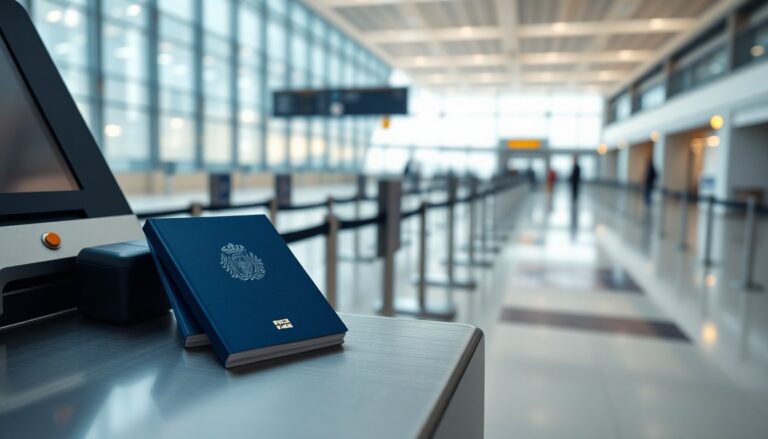
In response to mounting travel disruption across Europe, Greece has put a temporary hold on biometric processing for British visitors. The move addresses problems caused by the EU’s new Entry/Exit System (EES), which requires non-EU nationals, including those from the UK, to undergo facial recognition and fingerprint checks at border points.
Officials and tourism bodies say the change should cut waiting times and ease congestion at major arrival hubs, but the exemption currently has no specified end date.
The Greek Embassy posted an official update online stating: “Update for British passport holders travelling to Greece.
“In the framework of the implementation of the Entry/Exit System, as of 10 April 2026, British passport holders are exempt from biometric registration at Greek border crossing points.” That announcement aims to reassure holidaymakers bound for busy islands and coastal resorts where thousands of UK travellers arrive during peak periods.
Why Greece suspended the biometric checks
Greece’s decision grew from operational pressures at ports and airports after the EU rolled out the EES. The system was designed to replace manual passport stamping and to enforce the 90-day visa-free limit more reliably, using automated biometric registration to log entries and exits. However, implementation has been uneven, and several busy terminals experienced queues of several hours as border authorities processed passengers. Greek tourism officials argued that suspending the checks for British passport holders would result in a “smoother and more efficient arrival experience in Greece” and significantly reduce waiting times.
Passengers stranded and flights affected
Reports emerged of serious disruption at multiple airports. One high-profile instance involved a Milan Linate to Manchester service where only 34 of 156 booked passengers managed to board, leaving 122 travellers stranded. Holidaymakers described lengthy waits at passport control, with some saying queues stretched for hours and, in isolated cases, up to 20 hours while they sought replacement travel. Young travellers, families with infants and elderly passengers all recounted missed flights, long waits and confusion as systems and staff struggled to cope with the new procedures.
Personal experiences and airline response
Those affected told similar stories: arriving well ahead of departure times, finding packed queues at border desks and then being informed that their flights had left. One 17-year-old from Oldham said she and her partner arrived early but were blocked at border control and later discovered their flight had departed without them. Airlines such as EasyJet apologised for disruptions and said they offered alternative flights or transfers for customers who missed services. Airline spokespeople also urged border authorities to use contingency measures and flexibilities to prevent unacceptable delays.
Industry reaction and wider implications
Travel associations and airport bodies have called for greater coordination. Luke Petherbridge of ABTA said the trade body had repeatedly warned the European Commission and destinations about the need for contingency staffing and pragmatic use of flexibilities during the EES rollout. The decision by Athens is seen as strategically important because Greece depends heavily on British tourism — islands such as Corfu, Crete and Rhodes can receive thousands of UK visitors daily at peak times — and the exemption may influence holiday choices this season.
Potential ripple effects across the region
Analysts suggest other Mediterranean destinations might consider similar temporary measures if problems persist. Travel advisers note that ongoing geopolitical concerns have already shifted demand within the market, with many UK holidaymakers re-evaluating their plans. While some travellers welcome Greece’s step as a practical solution to border snarls, officials stress that the exemption is a stopgap intended to protect tourism flows while technical and operational kinks in the EES rollout are addressed.
For now, British holidaymakers heading to Greece should check official embassy channels and airline communications for the latest guidance. The situation underlines the complexity of implementing new border technologies across multiple jurisdictions and the importance of contingency planning to safeguard travellers from lengthy delays and missed connections.