A look at how school pe experiences, from harsh teachers to outdated lessons, can influence lifelong attitudes to exercise
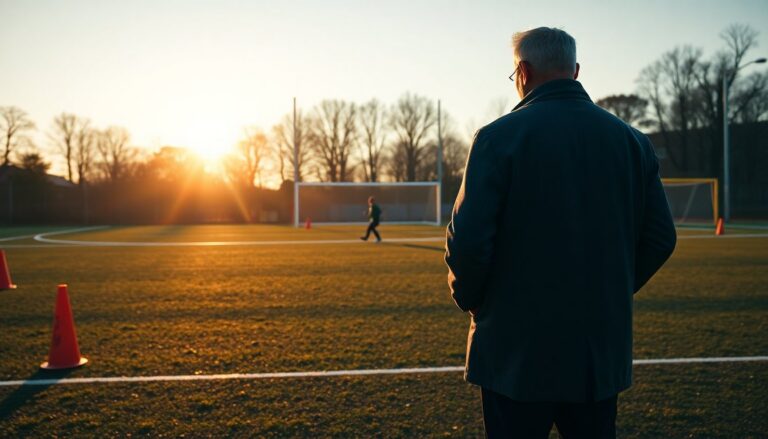
As a child I remember standing at one end of the field while the coach positioned himself in the middle and asked me to run at him as if I were a battering ram. The moment froze into a mix of humiliation and brief triumph: I ran full tilt, he threw me skyward and I landed in a heap, more relieved than proud.
That image has stuck because it captures what many recall about mandatory sport at school — an odd blend of spectacle, authority and moments that felt more punitive than playful. Those memories help explain why the subject of a recent Age UK poll resonated with so many readers.
The poll suggested that roughly three in ten middle-aged people feel their early experiences of physical education put them off regular exercise for life. That statistic is striking in part because it forces us to ask what schools were actually teaching: was it a path to healthy habits or a series of awkward rituals that discouraged participation? In exploring that question I kept returning to two drivers: who ran those lessons and what they thought sport was supposed to do.
Who taught us and how that mattered
Teachers left an outsized impression. In some schools the PE staff seemed to have been recruited from a different era, bringing a military or authoritarian approach that prized endurance and obedience over enjoyment. Others simply lacked training or imagination and treated the subject as a catch-all for any activity the gym could accommodate. The result was a patchwork of experiences: teams chosen by popularity rather than skill, drills that felt like ritual punishments, and lessons that rewarded toughness rather than technique. These practices often conflated discipline with development, and for many pupils that meant school sports were less about forming healthy routines and more about surviving an ordeal.
Bullying disguised as tradition
Some of the most damaging moments were those that hid behind tradition. Cross-country runs became opportunities for isolation, with quieter children left vulnerable out of sight among trees or hedgerows. Events such as javelin or hurdles carried real fear because poor supervision and misplaced bravado increased the risk of accidents. Even seemingly harmless rituals like partner games or annual dances could be dominated by cliques and embarrassment. These episodes helped create a narrative for some pupils: that exercise was synonymous with discomfort, exclusion or even danger, rather than wellbeing and fun.
Curriculum reform and a new emphasis on wellbeing
Fortunately, education systems have not remained static. In places where the syllabus has been updated, physical education is folded into broader frameworks such as Health and Wellbeing, with a clearer focus on developing physical skills, decision-making and personal qualities. This reframing aims to teach children how to enjoy movement, understand fitness, and make choices that support long-term health. In practice it means moving away from one-size-fits-all punishment models and toward varied activities that build confidence, resilience and competence. When schools emphasize lifelong physical activity rather than short-term endurance, participation becomes more inviting.
Why most people overcame rough starts
Still, the poll also shows a silver lining: seven out of ten people did not report being put off exercise forever. That resilience can come from many sources — supportive coaches later in life, clubs outside school where the environment is kinder, or simple rediscovery of movement as an adult. For some, negative memories fade and are replaced by positive experiences that reframe what exercise means. Others find motivation in health needs, social circles or hobbies that encourage steady participation. Even for those scarred by past experiences, new opportunities often arrive that make exercise feel accessible and rewarding rather than punitive.
Looking back, it is striking how a few bad lessons could cast a long shadow, but it is equally reassuring to see changes in how we teach movement. Updating the approach to PE and embedding it within a wider conversation about wellbeing helps turn school sport from a rite of passage into a foundation for lifelong health. And if you ever find yourself cringing at the memory of a school dance or an ill-fated rugby drill, take comfort: most people manage to write a different ending to that chapter.