Find out who took to the stage in the Eurovision 2026 second semi-final, how to view the show in the UK and the moments fans are still talking about.
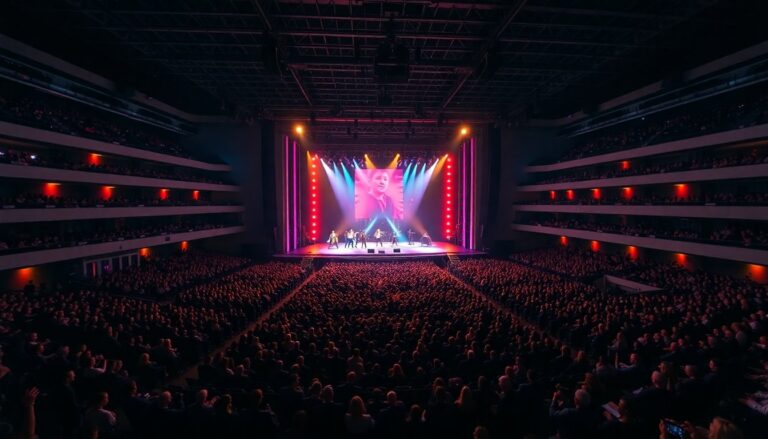
The Eurovision 2026 second semi-final unfolded in Vienna as part of the contest’s week of live shows. With the city hosting after last year’s winner, the arena showcased a wide array of entries across genres and theatrical styles. Audiences around the world tuned in to see new performances, familiar names and several acts racing for a spot in the Grand Final.
For viewers in the United Kingdom the event carried extra interest because the UK entrant Look Mum No Computer performed his song Eins, Zwei, Drei and nations in the second semi-final could be voted on by UK audiences.
This semi-final was one of two elimination nights leading up to the final weekend; the pair of semi-finals determine which contestants join the pre-qualified countries in the final contest.
The programme interleaved dramatic staging with intimate ballads and larger-than-life pop numbers. Alongside the competitive performances, the show included tribute and interval pieces that celebrated Eurovision’s history and Austria’s role as host.
How to watch and follow the shows
UK viewers were able to catch the live broadcast on BBC One and BBC iPlayer, with the semi-finals airing at 8pm BST. Presenters Rylan and Angela Scanlon fronted the live semi-final coverage, while radio listeners could follow the action via BBC Radio 2 and BBC Sounds, where Sara Cox participated. The production emphasised accessibility: live Audio Description and on-screen subtitles were provided, and British Sign Language interpretation was available on iPlayer and the Red Button service. The mix of TV, radio and digital coverage aimed to bring the spectacle to as many fans as possible.
Voting, eligibility and pre-qualified countries
Ten acts from each semi-final progress to the final, joining the pre-qualified nations. This year the automatically qualified line-up included France, Germany, Italy, the United Kingdom and host nation Austria. These countries performed during the semi-finals and also took part in the voting for the night they were assigned. UK audiences were eligible to vote in the second semi-final; full voting instructions and any updated procedures were available on the official Eurovision website and the BBC’s Eurovision pages.
Who performed in the second semi-final
The second semi-final featured a diverse roster of 20 acts. Highlights included Bulgaria’s DARA with “Bangaranga”, Azerbaijan’s JIVA with “Just Go”, Romania’s Alexandra Căpitănescu performing “Choke Me”, Luxembourg’s Eva Marija presenting “Mother Nature” and Czechia’s Daniel Zizka with “CROSSROADS”. Also on stage were Armenia’s SIMÓN singing “Paloma Rumba”, Switzerland’s Veronica Fusaro with “Alice”, Cyprus’s Antigoni and host-country Austria’s COSMÓ. The line-up also featured Latvia’s Atvara, Denmark’s Søren Torpegaard Lund, Australia’s Delta Goodrem, Ukraine’s LELÉKA, Albania’s Alis, Malta’s AIDAN and Norway’s JONAS LOVV with “YA YA YA”. France performed as a pre-qualified act with Monroe’s entry, and the United Kingdom was represented by Look Mum No Computer.
First semi-final recap and interval content
The opening semi-final earlier in the week produced ten qualifiers, including Greece’s Akylas, Finland’s Linda Lampenius x Pete Parkkonen and Belgium’s ESSYLA. That show opened with a specially produced film reflecting seven decades of the contest and a 70-member choir tribute to a famous Eurovision song from Vienna’s earlier hosting. While votes were tallied, hosts staged light-hearted intervals, blending nostalgia with contemporary performances that kept audiences entertained between the competitive numbers.
What the Grand Final will look like
The Grand Final is scheduled for Saturday 16 May and will bring together 25 finalists who will each perform live for the trophy. Graham Norton will return as the BBC’s host for the final broadcast, guiding viewers through the evening and offering commentary. Expect the usual opening pageantry: an elaborate opener featuring the previous winner, a flag parade introducing the finalists and a sequence of live acts ranging from intimate showcases to full production pop spectacles. Accessibility provisions will again be in place for the final show.
For fans wanting to catch the mood and the must-see moments, social media and the BBC’s online channels provided behind-the-scenes clips and backstage interviews. Whether you favour theatrical staging, vocal virtuosity or quirky novelty entries, the second semi-final added further colour to the contest and set the stage for a competitive final in Vienna.