Sunseekers returned to the Model Boating Pond at Hampstead Heath for several days despite clear restrictions, disturbing nesting birds and prompting criticism of enforcement and park management
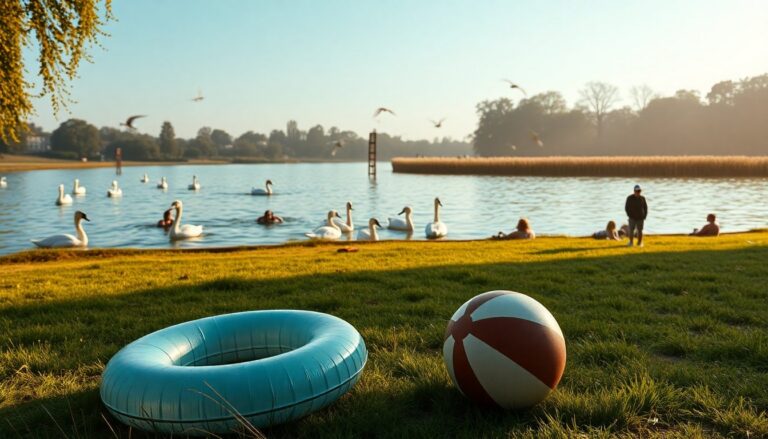
The quiet of a small wildlife pond on Hampstead Heath was repeatedly broken when large groups of people entered water that is officially a no-swimming zone. Video shared online showed swimmers splashing, tossing balls and using inflatables in the Model Boating Pond — a site recently earmarked as a sanctuary for waterbirds after a public fundraising campaign backed by £50,000.
Local residents and wildlife supporters say the behaviour has driven ducks and swans away from nesting spots and threatened newly hatched chicks.
Witnesses reported the disturbance continued across consecutive days, with crowds returning shortly after officers cleared the water. Besides the immediate impact on birds, neighbours described rowdy late-night gatherings and loud music that stretched into the early hours, prompting questions about the City of London Corporation‘s capacity to manage the Heath and enforce byelaws designed to protect both people and wildlife.
What unfolded at the Model Boating Pond
Footage circulating on social platforms depicted people diving in, performing somersaults, and lounging on inflatables in the shallow pond where swans and ducks were nesting. On several occasions, birds were seen retreating to a quieter corner of the water, while a swan was filmed nudging an egg that had fallen into the water.
Locals say some groups even brought dogs into the pond, compounding the stress on nesting birds. Volunteers and onlookers have described scenes where the animals were repeatedly disturbed, making it harder for parent birds to feed and care for their young.
Evidence and community response
Residents captured much of the activity on video and posted it with commentary accusing visitors of treating the protected area like a beach party. A persistent local campaigner group highlighted the contrast between the public donations that helped fund the sanctuary and the apparent lack of continuous enforcement. The social media posts prompted statements from wildlife organisations and brought renewed scrutiny to how urban green spaces are policed during hot weather.
Legal framework and park management
The pond sits within an area overseen by the City of London Corporation, which has said swimming is only permitted in designated, lifeguarded ponds for safety reasons. Entering other water bodies is forbidden under local byelaws because it poses risks to both people and sensitive habitats. Officials have warned that the Constabulary can take enforcement action, including fines and arrests, when necessary. Separately, the Wildlife and Countryside Act 1981 makes it an offence to intentionally or recklessly disturb wild birds while they are nesting, and convictions can carry fines.
Management plans and pledged funding
Plans announced by park managers include measures to isolate the island used by nesting birds from the causeway, creating a more secure refuge for feeding and brood-rearing. The project, supported by the £50,000 donation drive, aims to reduce disturbance, but campaigners say physical changes must be paired with visible, consistent enforcement. Park trustees stress they prefer to engage with visitors first but have reiterated that they will escalate to enforcement where warnings are ignored.
Broader risks and the heatwave factor
The incidents at the Heath have unfolded against a backdrop of unusually high temperatures, which drew thousands to open water across the country. Authorities and rescue organisations have repeatedly warned about the hazards of unsupervised swimming in lakes and ponds, including cold-water shock and unseen underwater dangers. In recent weeks emergency services responded to multiple fatal incidents at open water locations elsewhere, underlining that the attraction of cooling off can carry lethal consequences.
Wildlife groups such as the RSPB cautioned that this time of year is critical for breeding birds: disturbance can cause parents to abandon nests or leave chicks vulnerable. Veterinary and animal welfare experts echoed those concerns, urging visitors to prioritise nature and observe restrictions that protect wildlife. Many local residents say the Heath should remain a refuge for urban nature, and they want to see a combination of physical habitat protection, clearer signage and firmer enforcement to prevent repeat disturbances.
What needs to change
Community voices and conservation bodies agree on a few practical steps: increase staffing at peak times, use temporary barriers where appropriate, and deploy swift enforcement when rules are broken. Equally important is public education: reminding visitors that the heath is a living habitat, not a private beach, and that short-term enjoyment should not come at the expense of bird life. As debates continue over how best to balance public access with ecological protection, the Model Boating Pond episode has become a focal point for discussions about stewardship of urban wild spaces.