

Carlsberg’s plan to shutter a 190‑year‑old brewery threatens 310 jobs as British ale sales plummet.
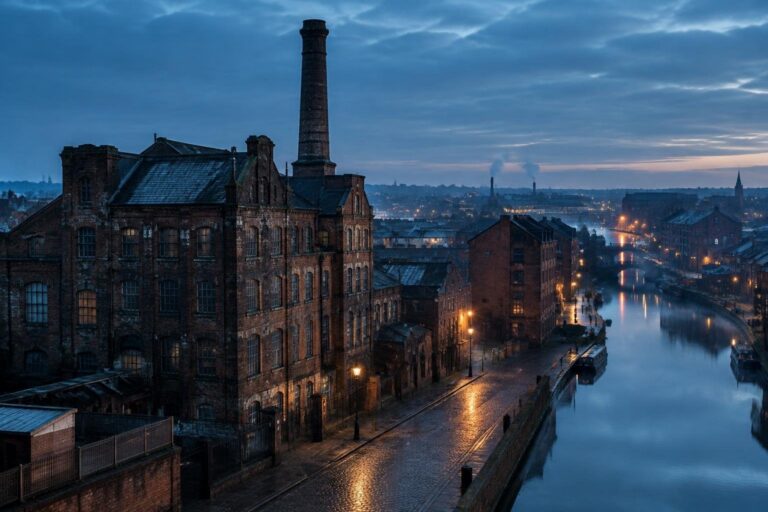
The Danish brewing conglomerate Carlsberg Britvic has unveiled a proposal to close the iconic Marston’s Brewery in Burton-upon-Trent, alongside the site’s primary logistics hub, during the summer of 2027. The decision follows a decade-long contraction in the UK cask ale market, where consumption volumes have dropped by more than half.
Around 310 employees are directly affected, prompting a wave of concern across the West Midlands.
Marston’s roots run deep in the town: John Marston founded the original brewery in 1834, and the operation moved to its current Shobnall Road premises in 1898.
For nearly two centuries the site has been intertwined with Burton’s reputation as England’s “beer capital”, a title earned when more than thirty breweries once dotted the landscape. The water that flows through the region’s gypsum-rich aquifers imparts the distinctive “Burton-snatch” character prized by traditional ale lovers.
Closure plan and timeline
Carlsberg Britvic’s announcement states that the shutdown will be phased, allowing the brewery and its logistics centre to continue running throughout a consultation period. CEO Paul Davies emphasized that the move is not a reflection on the workforce but a strategic response to shifting consumer preferences. He noted that the company’s multi-beverage portfolio must align with “where customers are today and where demand is growing”.
The plan also outlines the fate of the brand portfolio. Flagship ales such as HobgoblinMcEwan’s and Brooklyn will remain in Carlsberg’s lineup, though production locations have yet to be disclosed. Smaller regional and cask-only labels are slated for sale to specialist or independent brewers, a move that the company frames as an opportunity for these brands to thrive under more focused ownership.
Impact on jobs and local heritage
The prospect of losing 310 positions has ignited strong reactions from local officials and industry bodies. Camra chairman Ash Corbett-Collins, a Burton native, called the announcement “an absolute disgrace”, arguing that Carlsberg’s statements of understanding arrived “far too late”. He urged the search for independent brewers willing to become custodians of the cask range, echoing Davies’ own suggestion that smaller brands could survive with dedicated owners.
Political leaders also weighed in. Staffordshire County Council leader Martin Murray highlighted the global reputation of British beer and its deep ties to Burton’s heritage, lamenting the loss of a cultural asset. Conservative opposition leader Philip White warned that iconic products like Pedigree and Bass Ale would no longer be brewed locally, urging efforts to reverse the decision and protect affected families.
Future of the brands and community response
While the fate of the flagship ales remains uncertain, Carlsberg has pledged to keep them on the market, albeit potentially brewed elsewhere. The company’s statement that “smaller ale brands are much loved by select consumers” suggests a willingness to negotiate with craft brewers or regional operators who could maintain the traditional flavor profile associated with Burton’s water.
Local brewing enthusiasm is already manifesting. Several micro-breweries in the surrounding area have expressed interest in acquiring the displaced cask brands, seeing the situation as a chance to expand their portfolios while preserving the town’s brewing lineage. Meanwhile, the pub arm of Marston’s PLC, which operates over 1,300 establishments nationwide, continues to function independently of the brewing closure, ensuring that the broader Marston’s brand remains active in the hospitality sector.
The next months will reveal whether specialist brewers can step in, whether the displaced workforce can be redeployed, and how Burton-upon-Trent will navigate the loss of a landmark that has defined its character for generations.
