

Traders in Iraq are mobilizing against newly implemented customs tariffs, expressing concerns for their livelihoods and the overall economic stability of the nation.
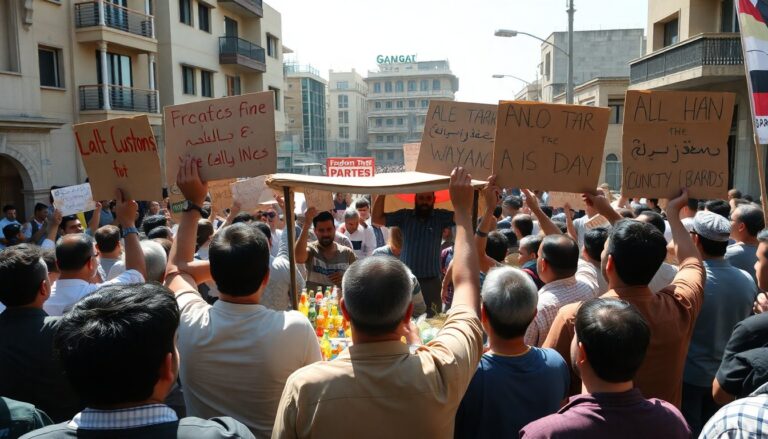
In recent days, protests have erupted across Baghdad and other Iraqi provinces over the government’s newly imposed customs tariffs. These tariffs, designed to bolster non-oil revenue, have ignited significant unrest among traders and business owners, who argue they threaten their livelihoods.
The demonstrations began with traders gathering outside the General Customs Authority in Baghdad, voicing their frustration over rising import costs. The new tariff structure has driven up the prices of essential items, resulting in a noticeable decline in sales in the capital’s markets.
Impact on local markets and trader livelihoods
As the protests spread, markets in Baghdad have closed, with traders like Salem Mohammed warning that the new tariffs could lead to market stagnation. “ We’ve seen a direct increase in the cost of basic goods, and if this continues, many shops will have to close their doors for good,” he stated.
The consequences of these tariffs extend beyond price hikes; they pose a serious threat to the region’s economic health.
In southern Iraq, particularly in Basra, protests have intensified as traders report significant disruptions in supply chains. Heightened customs fees have caused goods to accumulate at the Umm Qasr port, creating bottlenecks that adversely affect product flow into local markets. Alaa Ahmed, a representative of the protestors, emphasized that these delays result in financial losses for traders and threaten the availability of goods.
Government response and potential solutions
Despite the escalating unrest, the Iraqi government has not announced plans to suspend or reconsider the new tariff measures. Under Cabinet Decision No. 957 of, officials increased customs tariffs as a strategy to generate more revenue from non-oil sectors. This decision has broadened duties on imported goods and tightened enforcement at border crossings, fueling protests nationwide.
As protests continue in various provinces, demonstrators are calling for open dialogue with authorities to address their concerns. They urge the government to review these measures, fearing that without intervention, economic challenges will worsen. The traders’ collective voice highlights the delicate balance between fiscal policy and the realities faced by business owners.
The broader implications of the protests
The ripple effects of these protests are evident across various sectors of the economy. With many markets closed, consumers face limited options for basic necessities, potentially leading to higher prices and scarcity. This situation affects not only traders but also has broader implications for consumers, who may struggle to access affordable goods.
The ongoing protests illustrate the widening gap between government policy and the needs of the populace. As traders continue to rally against the tariffs, they underscore the urgent need for the government to consider the socioeconomic impact of its decisions. The outcome of these protests could significantly shape Iraq’s economic landscape, especially as the country seeks to diversify its revenue streams beyond oil.
Ultimately, the situation remains fluid, and the government’s response will be crucial in determining the trajectory of these protests. The voices of the traders reflect the sentiments of many Iraqis who are navigating the complexities of economic reform in a country still recovering from years of conflict and instability.
