Millions in London are voting in a pivotal set of local contests that could dent Labour’s standing while boosting the Greens, Reform UK and Lib Dems
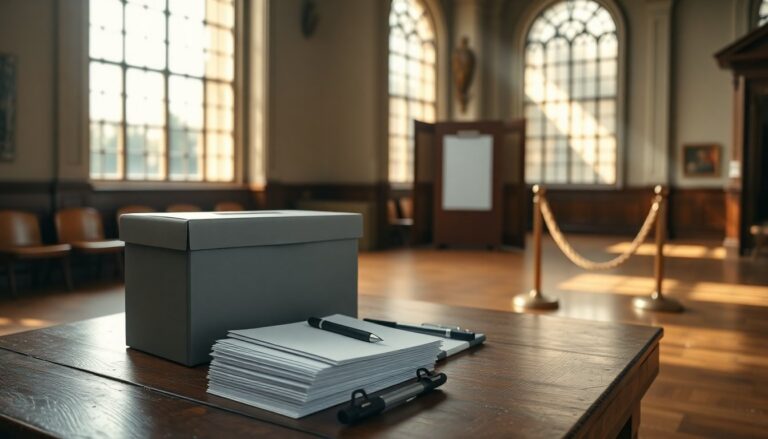
The city’s polling stations opened on May 07, with millions of Londoners heading out to decide who will manage local services and who will represent them on borough councils and as directly elected mayors. This is not a general election; seats in Parliament remain untouched.
Still, turnout and results in the capital are being watched closely because they offer an early barometer of public sentiment about the national Labour government and the wider, fragmented state of British politics.
Across England, commentators and pollsters are predicting substantial shifts: forecasts suggest as many as 1,850 Labour seats could be lost on councils, while in London specifically there are roughly 1,817 council seats up for grabs across the 32 boroughs.
More than six million residents in the capital are eligible to vote in these contests, which include mayoral ballots in boroughs such as Croydon, Hackney, Lewisham, Newham and Tower Hamlets. With almost 25,000 candidates contesting more than 5,000 seats across 136 councils in England, the municipal landscape is unusually crowded and competitive.
Who is challenging Labour in London
The political map of the capital is showing new fault lines. The Green Party has concentrated effort in inner-London boroughs and is campaigning on a mix of local service issues and redistributive policies. In places like Hackney and parts of Camden, Greens are positioning themselves as the vehicle for voters who feel Labour has not delivered on housing, cost-of-living pressures and grassroots responsiveness. At the same time, Reform UK and independent candidates are targeting outer-London areas where voters are receptive to tougher anti-establishment messaging, and the Conservatives are hoping to reclaim seats in boroughs with a track record of low council tax.
Green priorities and controversy
The Greens’ platform in the capital blends local service pledges with national-level economic ideas: proposals include a form of wealth tax, stronger rent controls, and measures to shield low-income households from council tax burdens. They have also championed policing reforms, arguing for different priorities for resources and enforcement. Some of their policy positions have stirred debate, from public health and drug policy to policing and public order, and questions have been raised about how those pledges would play with a broad electorate. Still, their ground campaigns and appeals on everyday issues such as housing repairs have gained traction.
Voting logistics and the atmosphere at polling stations
Polling stations in London opened early and will remain available until 10pm, with anyone queuing before closing allowed to cast a ballot. In England, voters must show approved identification to vote in person; the list of acceptable documents includes photographic IDs such as driving licences. For those unable to attend, emergency proxy voting remains an option provided both the voter and the proxy are registered. On the day, simple practical details matter: Met Office updates suggested a mix of sunny spells and afternoon showers with temperatures near 16C, which may influence turnout patterns across the city.
High-profile voting and party messages
Prime Minister Keir Starmer cast his ballot at a central Westminster location alongside his wife and used his public statements to urge voters to opt for unity and forward-looking policies rather than anger-driven politics. Opposition figures, including leaders of smaller parties, made their own appeals: some urged tactical voting to block rivals, others framed the polls as a direct route to challenging the national government. Local campaign messaging ranged from service-focused leaflets about bin collections and social care to broader economic and social themes that echo national debates.
What the results could mean
Counting begins after polls close and results will unfold over the following days. Analysts say the London outcomes could be read in two ways: as a statement on local governance and service delivery, or as an early indicator of national political momentum. If Labour suffers heavy losses across multiple boroughs, it may signal deeper voter dissatisfaction that could reshape discussions in Westminster; conversely, limited damage could reassure the party. The proliferation of competitive parties suggests a fragmented council landscape where coalitions or minority administrations may become more common.
Ultimately, these contests are about more than council chambers: they reflect changing voter priorities and the rising strength of alternative political forces in urban Britain. As results come in, attention will remain fixed not only on who wins particular wards or mayoralties, but on the broader message London sends about trust in local institutions and the direction of national politics.