

Two separate challenges from Sweden and Switzerland over alleged double-touching have put Canada's Olympic curling team under scrutiny, prompting extra officiating and sparking heated moments on the ice.
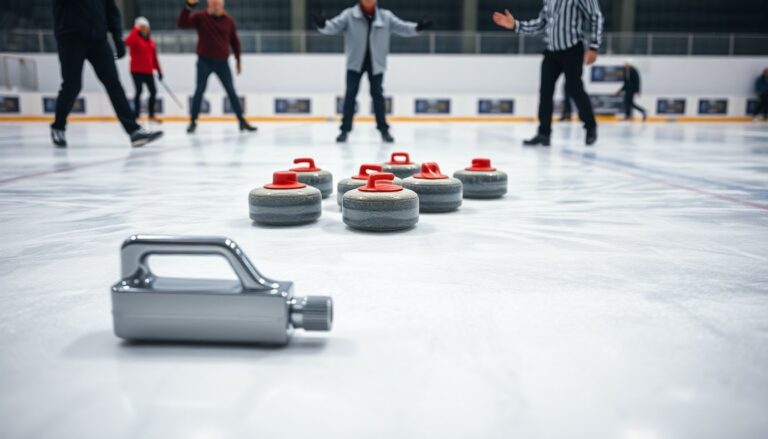
Tensions flared on the Olympic curling sheets when rival teams from Sweden and Switzerland accused members of the Canadian squad of touching stones after release — a breach commonly called a double-touch. The allegations sparked a heated on-ice exchange, a formal protest from Switzerland and a swift response from organisers: more officials were placed closer to play, and questions about enforcement and technology quickly moved to the forefront.
What happened
Opposing teams said a delivered stone grazed another stone after it was released, exactly the kind of marginal contact the rulebook forbids. Veteran Marc Kennedy — an Olympic gold medallist — was identified in both episodes. After the first confrontation, umpires stepped in to calm the situation and then continued the match.
The Swiss team later filed a formal report describing a separate, similar incident.
Officials responded by increasing supervision around the hog line and the target end. Referees monitored subsequent throws more closely and recorded deliveries for several ends. Neutral observers said the incidents upped the emotional temperature on the ice and showed how a tiny touch can become a major dispute at elite level.
Rules, sensors and replay
The rule is straightforward in spirit: once the thrower releases the handle, deliberate contact with the stone is not allowed. In practice, enforcement is messier. Handles contain sensors that register whether a release occurred before the hog line; a green light means the sensor read a legal release, a red light suggests a foul. Those sensors do not, however, detect fingertip contact after release.
Broadcasters’ slow-motion replays can make a fingertip brush look obvious, while handle sensors often report a legal release. In the contested matches, television slo-mo seemed to show contact, but the release sensors recorded green. World Curling says it does not use broadcast footage to overturn on-ice decisions, so most late-contact determinations rest on what umpires and players see in real time.
How officials judge a call
When a post-release contact is suspected, umpires weigh several things: Did the contact occur after release? Did it clearly change the stone’s trajectory or speed? Did the action appear intentional? Sensors provide objective timing for release but don’t prove whether a later fingertip touch altered play. Remedies, when a breach is confirmed, range from restoring stone positions to other penalties spelled out in the rules.
Because evidence can point in different directions — green sensor light versus a replay that looks convincing — officials face a delicate trade-off. They must protect the flow and rhythm of a match while ensuring outcomes are fair. After the Sweden incident, umpires watched throws for three ends and reported seeing no infractions, but organisers still deployed extra officials rinkside for subsequent games.
The human element and optics
Players and coaches are split on the significance of very light contact. Some argue a momentary touch rarely affects an outcome; others say even a slight fingertip can nudge speed or line enough to matter. Beyond the technical debate, the incidents prompted apologies and awkward moments. Kennedy received a verbal warning after the Sweden exchange and later apologised for his outburst, saying he could have handled the situation better.
Broadcasters have clarified that slow-motion footage is for viewers, not for formal adjudication. Still, replay can shape public opinion quickly, and tournament organisers now face pressure to close the gap between perception and procedure.
Possible changes ahead
The controversy has accelerated talks about how to tighten protocols. Proposals include clearer on-ice reporting procedures, more consistent incident logs, enhanced umpire training and improved sensor technology — perhaps sensors that can register post-release contact, or live-flagging systems to alert officials immediately. Each option carries trade-offs in cost, complexity and how it would affect the flow of play.
What happened
Opposing teams said a delivered stone grazed another stone after it was released, exactly the kind of marginal contact the rulebook forbids. Veteran Marc Kennedy — an Olympic gold medallist — was identified in both episodes. After the first confrontation, umpires stepped in to calm the situation and then continued the match. The Swiss team later filed a formal report describing a separate, similar incident.0
What happened
Opposing teams said a delivered stone grazed another stone after it was released, exactly the kind of marginal contact the rulebook forbids. Veteran Marc Kennedy — an Olympic gold medallist — was identified in both episodes. After the first confrontation, umpires stepped in to calm the situation and then continued the match. The Swiss team later filed a formal report describing a separate, similar incident.1
