

Ireland overturned a rare halftime deficit to claim a 20-13 Six Nations win over Italy at the Aviva Stadium, highlighting depth, character and decisive bench contributions.
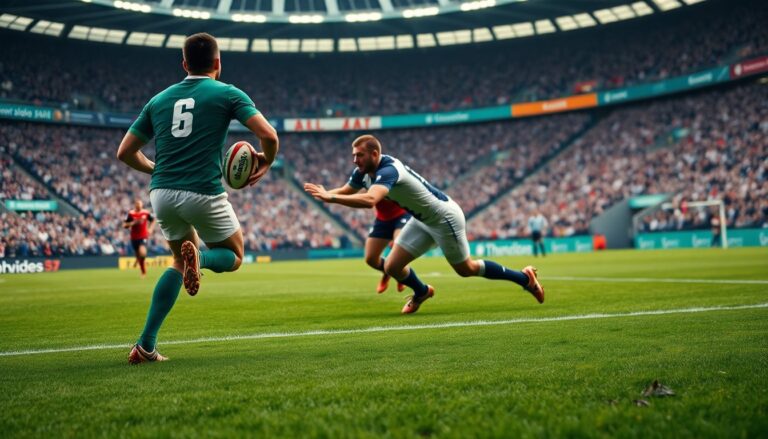
Ireland came from behind to beat italy 20-13 at the Aviva Stadium, overturning a surprising first-half deficit to secure a hard-fought Six Nations win. Italy led at halftime — the first time they’d held the lead in Dublin in this fixture during the championship — but Ireland steadied after the break, producing the kind of composed, collective performance head coach Andy Farrell and captain Caelan Doris praised after the final whistle.
The match mixed moments of high quality with the odd error, keeping the contest tense until the end.
How the second half swung
Ireland changed the tone after the interval. They took firmer control of territory, tightened their defence and used the bench to reset the forward battle.
Tactical kicking and more accurate lineout work flipped possession and put pressure back on Italy; smarter ball retention and patient, multi-phase construction then created the platform for the decisive score. The substitutes weren’t just fresh legs — their presence reshaped momentum, particularly in the aerial contests and at the breakdown.
Turning points and substitutions
Several pivotal sequences defined the second half. Ireland scavenged loose ball in midfield, built controlled phases inside the Italian 22 and finished a well-rehearsed set play that swung the lead in their favour. Fresh front-rowers steadied the scrum and enabled Ireland to relieve defensive pressure before shifting quickly into attack. Italy had spells of pressure but couldn’t turn territorial advantage into the points they needed. Small margins — sharper finishing versus costly errors — ultimately decided the outcome.
Coach and captain verdict
Farrell singled out the squad’s composure and the clarity of the second-half plan, while Doris emphasised the team’s resolve after an unusual early deficit. Both credited the bench and the half-time adjustments for restoring control. The game underlined how crucial effective substitution strategy has become in modern Six Nations rugby: timing and role definition matter as much as raw impact.
Key performers and tactical tweaks
Robert Baloucoune was the standout, earning man-of-the-match honours for his aerial control, clean finishes and timely defensive reads that steadied Ireland’s wide channels. Stuart McCloskey also impressed in midfield, using his passing range and spatial awareness to create the overlap that led to Jamie Osborne’s try, which Baloucoune finished. Their interplay — forwards carrying hard and recycling quickly, backs running sharper lines and finishing cleanly — showed a better cohesion between units after halftime.
The scrum, so troubled early on, found stability once a substitute front row arrived. That platform allowed Ireland to shift from defence to sustained attack, turning set-piece resilience into pressure and, eventually, tries. Coaches on both sides will pore over the footage of those adjustments: clearer roles for ball carriers, quicker communication at the breakdown and a renewed emphasis on contact retention were all evident.
Bench influence and game management
Substitutions swung the balance late on. Fresh players increased carry frequency, improved ruck speed and disrupted Italian line speed. Jack Crowley’s introduction around the 55th minute steadied the halves and helped Ireland control phases; a mis-hit box kick briefly raised tension, but his The staff appeared to balance experience with energy when selecting replacements, aiming to sustain multi-phase pressure and defensive shape. That approach — deep, specialised benches able to preserve structure while injecting tempo — is quickly becoming a decisive feature at international level.
Leadership, discipline and squad growth
Leadership on the pitch mattered as much as the tactical tweaks. Senior figures organised the defence and guided younger players through the second-half adjustments, keeping penalties down and preserving territorial advantage. The coaching staff used the match as a development opportunity too, handing a first cap to a newcomer and signalling a long-term view on squad building: versatility and readiness under fatigue are now premium attributes.
Areas to tighten
Despite the win, Ireland showed a few recurring faults — lapses in discipline and intermittent inconsistency that will need addressing. Practical next steps include reinforcing defensive patterns across all phases, simplifying decision-making under pressure and sharpening set-piece execution to reduce turnovers and penalty concessions inside kicking range. Small refinements, consistently applied, are likely to matter more than wholesale changes as the tournament progresses.
What it means going forward
The victory keeps Ireland very much in contention and raises questions about Italy’s ability to turn promising periods into full points. For Ireland, this result will feed into selection and training priorities: maintain bench depth, lock down the scrum and keep focusing on phase control and finishing. For Italy, there are positives to build on — spirited defence and territorial intent — but converting that energy into clinical outcomes will be the next challenge. There are still fault-lines to repair, but the squad left the Aviva with momentum and fresh material for the coaches to sharpen ahead of the remaining Six Nations fixtures.
