

During a game between East Carolina and Temple, an official slipped into David Coleman Jr, who suffered a fractured fibula and was carried off the field.
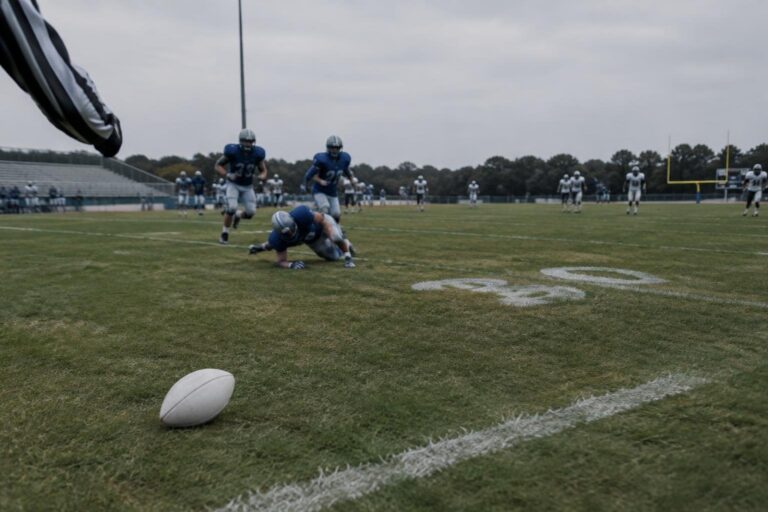
The East Carolina football program faced an unexpected and unsettling moment when defensive back David Coleman Jr was injured after an on-field collision with an official. The incident occurred during a stoppage in play as players stood on the turf; an official approached from behind near the 40-yard line and slipped, sliding into Coleman Jr and causing the player to fall forward.
Team personnel attended to him immediately, and two teammates later carried him from the field so he would not put weight on the injured leg.
How the collision unfolded on the sideline
The sequence began as typical game management: players lined up between plays while an official moved to address an issue near the middle of the field.
As he advanced from behind, the official lost footing and made contact with Coleman Jr. Witnesses described the moment as a freak accident rather than a deliberate action. The force of the slip caused Coleman Jr to hit the ground and remain on the turf, prompting medical attention.
This play was not part of active live action; it happened during a stoppage, which made the situation all the more unusual to those watching.
Injury diagnosis and team response
Medical staff evaluated Coleman Jr on the sideline before he was assisted off the field by teammates who carried him to avoid pressure on the leg. At halftime, the team obtained imaging that confirmed a fracture: an X-ray showed a broken fibula. East Carolina’s head coach, Blake Harrell, relayed the result to the team and media, expressing concern and offering support for the player. The report emphasized that the injury resulted from the accidental slide rather than contact from another player. The use of imaging and the rapid attention by staff underscored the program’s protocol for assessing and stabilizing musculoskeletal injuries during competition.
Game context and immediate impact
Despite the unsettling injury, East Carolina completed the contest, securing a 17-9 victory over Temple. Coleman Jr had recorded one tackle before the incident removed him from further participation. The team balanced in-game focus with care for the injured freshman, and coaching staff noted the strange nature of the event: an official’s slip causing a season-impacting injury is rare in organized football. Teammates and coaches provided on-field support as the player was escorted away, and public comments centered on concern rather than criticism of officiating performance.
Player outlook and broader implications
With an X-ray-confirmed fractured fibula, Coleman Jr faces a recovery period that will be managed by team medical staff and specialists. A fibula fracture refers to a break in the smaller bone of the lower leg and can vary in severity; treatment options and timelines depend on factors such as fracture location and displacement. The team will coordinate follow-up care and a rehabilitation plan appropriate for a collegiate athlete. Meanwhile, the incident highlights how non-playside events can still produce significant injuries in contact sports and has prompted conversations about sideline safety and procedures for officials moving among players during stoppages.
Reactions from coach and teammates
Coach Blake Harrell publicly expressed sympathy and concern for Coleman Jr, calling the occurrence “wild” and asking for support and prayers for the player. Teammates who carried him from the field demonstrated immediate solidarity and concern for his welfare. While the team celebrated a win, the mood around the sideline remained sober given the severity of the injury. The program will likely provide updates on Coleman Jr’s condition and recovery timeline as medical evaluations progress.
The episode stands out as an uncommon way for a game-related injury to happen: not from an on-field tackle or play sequence, but from an accidental collision involving an official during a break in action. As East Carolina addresses the player’s needs, the focus will be on recovery and on-field safety procedures to reduce the chance of similar incidents in future contests.
