A frontline account from Al-Damazin shows how clashes between the Sudanese army and the Rapid Support Forces have pushed communities into makeshift camps and strained humanitarian response
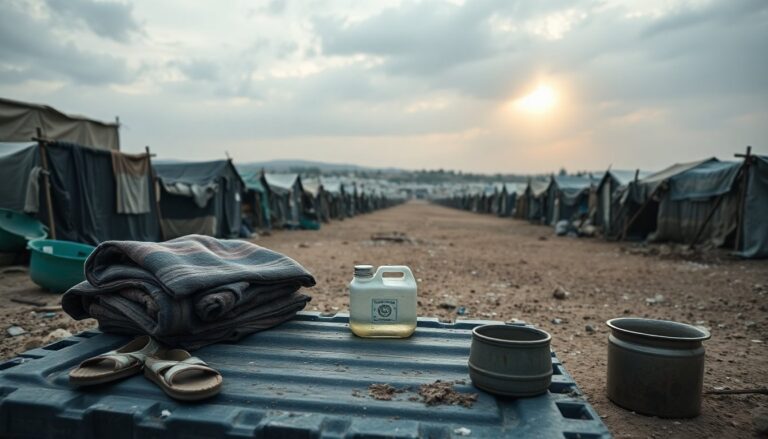
Reporting from Al Karama camp in Al-Damazin, journalist Hiba Morgan describes a tense environment where families arrive exhausted and uncertain. The clashes between the Sudanese army and the paramilitary Rapid Support Forces have seen whole communities uprooted, with basic services under pressure.
This piece, published on 13 May 2026, sets out the immediate realities inside camps, the numbers of people affected, and the challenges facing agencies trying to deliver aid. Observers on the ground say that the movement of civilians mirrors the shifting frontlines across Blue Nile State, in the southeast of Sudan, where insecurity has become a daily fact of life.
Authorities and relief groups report that more than 28,000 people were forced from their homes between April and January alone, a figure that underlines the rapid pace of displacement in recent months. Many of those arriving at sites like Al Karama are what humanitarian actors label as IDP (internally displaced person), meaning they have fled within their own country but remain displaced without crossing an international border.
Camps are filling quickly, while host communities and local institutions strain to meet the needs of newcomers. The surge reinforces the urgency of establishing safe routes and predictable access for aid convoys.
Where the fighting is concentrated and how people are moving
Conflict in Blue Nile State has concentrated around towns and rural areas near administrative centers, pushing residents toward larger settlements and temporary camps. Witnesses in Al-Damazin say many displaced families travel by foot or in small vehicles, carrying only essential belongings. Roads and bridges that once linked villages to markets are intermittently cut by security incidents, complicating movement and aid delivery. The pattern of displacement is often episodic: spikes of violence prompt sudden departures, while relative lulls allow for limited returns — though few families feel secure enough for permanent resettlement. These dynamics have created a fluid population that is difficult for planners to track.
Humanitarian conditions inside camps
Living conditions and urgent needs
Inside camps such as Al Karama, the immediate picture is one of overcrowded shelters, limited water supplies and insufficient sanitation. Relief teams report shortages of food, clean water and basic medical care, and there are growing concerns about outbreaks of disease. Emergency responders emphasize the importance of establishing humanitarian corridors and safe distribution points to reach those most in need. Vaccination campaigns, maternal health services and psychological support are among the priorities mentioned by aid workers, who face the dual challenge of mounting needs and constrained access imposed by the security situation.
Response capacity and operational barriers
Local authorities, non-governmental organizations and international agencies have mobilized to scale up assistance, but their efforts are hampered by insecurity, bureaucratic obstacles and logistical bottlenecks. Convoys that attempt to deliver supplies sometimes face delays or are forced to reroute due to clashes. Coordination meetings seek to map needs and reduce duplication, yet limited funding and fluctuating access windows make sustained programming difficult. Aid coordinators stress the importance of negotiated, consistent access so that distribution of essentials such as food rations, shelter materials and water purification supplies can proceed on a predictable timetable.
Longer-term implications and what comes next
The displacement in Blue Nile State is not just a short-term emergency; it raises questions about recovery, protection and durable solutions for thousands of families. Extended stays in camps can erode livelihoods and education, while local services struggle under new demand. Observers warn that without a reduction in hostilities and clear pathways for humanitarian agencies, the crisis could deepen. Calls for a halt to fighting, improved protection for civilians and expanded access for aid providers have been made by community leaders and humanitarian actors alike. The coming weeks will be crucial to see whether relief efforts can keep pace with needs and whether space emerges for negotiated relief access and longer-term support.