

Learn about the importance of climate-resilient cities and the innovative design solutions that can help mitigate the effects of climate change
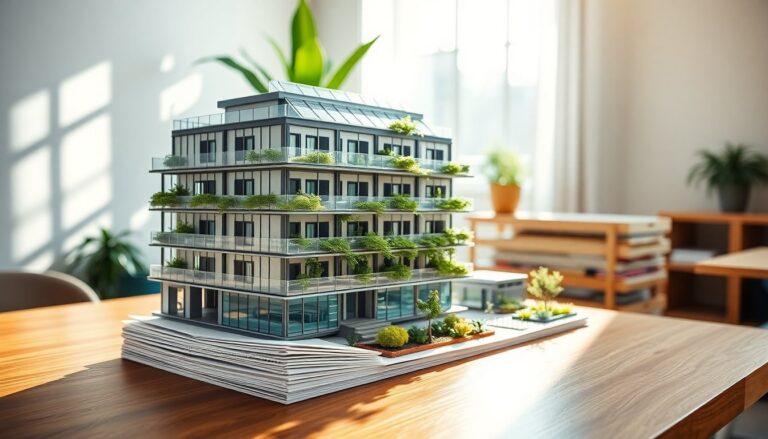
Climate-resilient cities are urban areas that have been designed and planned to withstand the impacts of climate change, such as rising temperatures, sea-level rise, and extreme weather events. Urban planning plays a crucial role in creating these resilient cities, as it involves the design and management of urban spaces to minimize the risks associated with climate change.
The concept of climate resilience is closely tied to the idea of sustainabilityas both involve creating urban environments that are able to adapt and thrive in the face of environmental challenges. By incorporating green infrastructuresuch as parks and green roofs, cities can reduce the urban heat island effect and improve air quality.
Designing climate-resilient cities
There are several key strategies that can be used to design climate-resilient cities. One approach is to create cool roofs and shade networks to reduce the urban heat island effect. Another approach is to implement sponge parks and other forms of green infrastructure to manage stormwater runoff and reduce the risk of flooding.
In addition to these strategies, 15-minute city planning can also play a role in creating climate-resilient cities. This approach involves designing cities so that all essential services and amenities are within a 15-minute walk of residents, reducing the need for transportation and promoting more sustainable and equitable urban environments.
Benefits of climate-resilient cities
The benefits of climate-resilient cities are numerous. By reducing the urban heat island effect and improving air quality, these cities can improve the health and wellbeing of citizens. Additionally, climate-resilient cities can help to reduce the economic impacts of climate change, such as damage to infrastructure and property.
Climate-resilient cities can also help to promote more sustainable and equitable urban environments. By incorporating green infrastructure and promoting active transportationthese cities can reduce their carbon footprint and promote more sustainable lifestyles.
Citizen checklist for promoting climate-resilient cities
There are several steps that citizens can take to promote climate-resilient cities. These include:
- Supporting green infrastructure projects, such as parks and green roofs
- Advocating for 15-minute city planning and more sustainable urban design
- Reducing energy consumption and promoting energy efficiency in buildings and homes
- Supporting climate-resilient policies and initiatives at the local and national level
By working together, citizens and urban planners can create climate-resilient cities that are able to withstand the impacts of climate change and promote more sustainable and equitable urban environments.
