Discover the principles of downforce and how it affects formula one cars
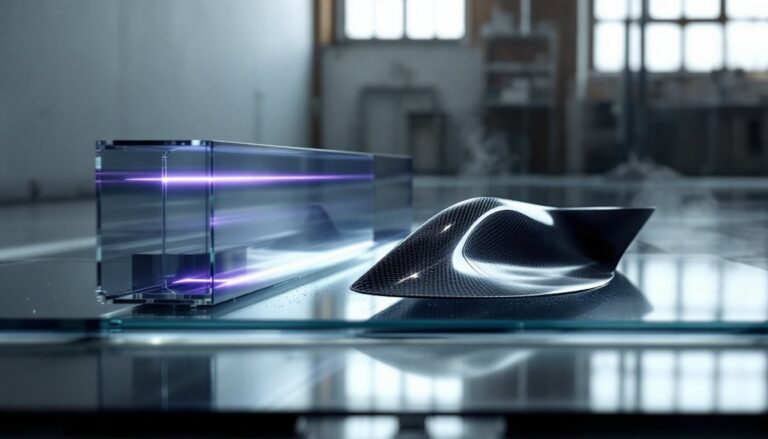
Formula one aerodynamics is a complex and fascinating field that plays a crucial role in the performance of F1 cars. At its core, aerodynamics is the study of the interaction between air and solid objects, such as cars. In the context of F1, aerodynamic upgrades are used to improve the downforce of a car, which is the force that pushes the car onto the track, allowing it to corner faster and maintain higher speeds.
The main components of an F1 car’s aerodynamic system are the wingsfloors and diffusers. The wings, which are located at the front and rear of the car, produce downforce by using the shape of the wing to change the air pressure above and below it.
The floors, which are the flat surfaces underneath the car, also produce downforce by using the venturi effect to accelerate the air flowing underneath the car. The diffusers, which are located at the rear of the car, help to slow down the air flowing out of the car, which increases the downforce produced by the rear wing.
How F1 teams use aerodynamic upgrades to gain speed
F1 teams use aerodynamic upgrades to improve the performance of their cars by increasing the downforce produced by the wings, floors, and diffusers. This can be achieved by making changes to the shape and size of these components, as well as by adding new components such as drag reduction systems (DRS). DRS allows drivers to temporarily reduce the downforce produced by the rear wing, which enables them to overtake other cars more easily.
Trading drag for speed
F1 teams must balance the need for downforce with the need for speed. Increasing the downforce of a car can make it slower on straights, as it produces more drag. However, it can also make the car faster on corners, as it allows the car to maintain higher speeds. Teams must carefully consider the trade-off between downforce and speed when designing their cars and making aerodynamic upgrades.
Why upgrades work better at some tracks
The effectiveness of aerodynamic upgrades can vary depending on the track. Tracks with more corners, such as Monaco, require more downforce to maintain high speeds, while tracks with longer straights, such as Monza, require less downforce to minimize drag. Teams must carefully consider the characteristics of each track when designing their cars and making aerodynamic upgrades.
Tips for spotting aero changes during race weekends and practice sessions
During race weekends and practice sessions, teams often make aerodynamic upgrades to their cars in an effort to improve performance. Fans can spot these changes by looking for visual differences in the car’s aerodynamic components, such as new wing designs or modified diffusers. Teams may also make changes to the car’s setup such as adjusting the ride height or camber, to optimize the performance of the aerodynamic upgrades.