

Train stations are no longer just transit points but are transforming into vibrant food and beverage hubs, offering unique experiences and premium services.
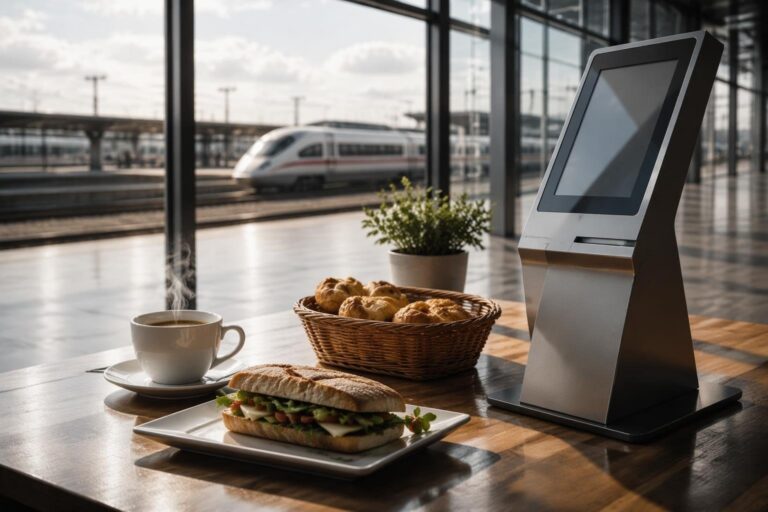
Train stations are undergoing a remarkable transformation, evolving from mere transit points into vibrant food and beverage destinations. This shift is driven by innovative technologies and a focus on enhancing the traveler’s experience. Recent discussions at the AIGRIM-FIPE conference in Milan highlighted how dynamic pricing, AI, and premium services are turning the waiting time into valuable moments.
The conference, organized by AIGRIM and Grandi Stazioni Retail in collaboration with FIPE, brought together industry leaders to explore the future of food and beverage in train stations. Riccardo Orlandi, president of AIGRIM, emphasized the importance of train stations as new commercial hubs, akin to the shopping malls of the past.
He noted the challenges ahead, including sustainability, digital transformation, and changing consumer behaviors.
Investing in Culinary Experiences
Elena Sorlini, CEO of Grandi Stazioni Retail, announced significant investments totaling 40 million euros for the Milan Centrale and Napoli Centrale stations. These investments aim to create a seamless experience for travelers, integrating food and beverage offerings with the Corrado Cagnola, vice president of AIGRIM and CEO of KFC Italia and Spoon Brands, suggested the potential for flagship stores within these stations, further enhancing the culinary experience.
The Power of Time and Technology
Carlo Alberto Carnevale Maffè, a professor at SDA Bocconi, delivered a keynote address that highlighted the untapped potential of train stations. He described stations as interfaces rather than mere infrastructures, emphasizing their role in converting waiting time into valuable experiences. With 4 million people transiting through Italian stations daily, the opportunities for food and beverage services are immense. The average dwell time of 25 minutes translates to 67,000 years-person of human time annually, a significant resource for businesses.
Dynamic Pricing and AI
The conference also delved into the role of dynamic pricing and artificial intelligence in enhancing the food and beverage experience. Carnevale Maffè explained that dynamic pricing is not about arbitrary increases but about adapting prices based on demand, time, and context. This approach has been successfully implemented by global fast-food chains like McDonald’s, Burger King, and Wendy’s, who have seen significant benefits from menu board dynamics.
AI and self-service kiosks are also playing a crucial role in improving efficiency and customer satisfaction. Operators using AI have reported a 69% increase in productivity, while self-service kiosks have boosted the average receipt by 15-30%. The global market for QSR kiosks is projected to reach 28 billion dollars by 2026, underscoring the growing importance of these technologies.
The Business Traveler Segment
Carnevale Maffè highlighted the importance of catering to different types of travelers, particularly the business segment. Business travelers, who spend significantly more than other groups, expect high-quality services and reliable connectivity. However, current offerings often fall short of their expectations. Enhancing the station environment to meet these needs can significantly boost revenue and customer satisfaction.
The transformation of train stations into food and beverage hubs is not just about investing in infrastructure but also about leveraging technology and data. The future of travel retail lies in creating seamless, personalized experiences that turn waiting time into enjoyable moments. As the industry continues to evolve, the focus on innovation and customer-centric services will be key to success.
