

Andrew and Sue Ingram transformed their heat pump into a cooling system, finding relief during heatwaves. Explore how this technology works and its benefits.
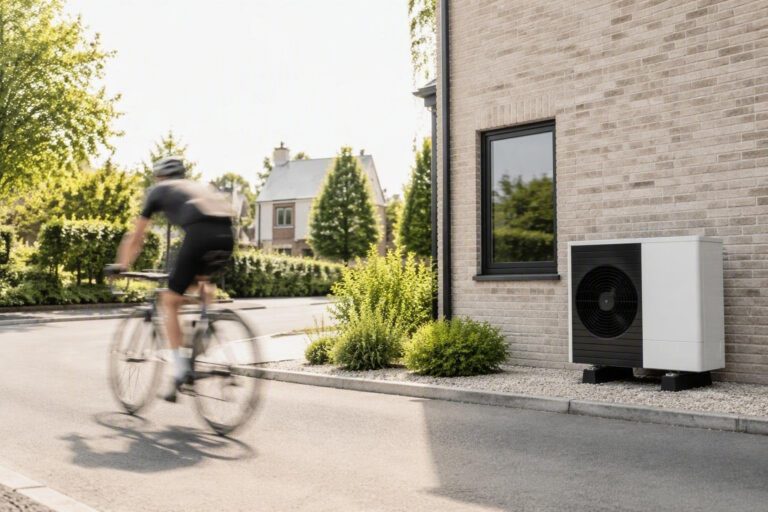
The summer of 2026 has been particularly challenging for many UK homeowners, with temperatures soaring to 35C and beyond. For Andrew and Sue Ingram of Maidenhead, Berkshire, their air source heat pump has become an unexpected lifeline, transforming their living room into a cool retreat.
The couple, who installed their heat pump system in 2026, initially focused on its heating capabilities. However, they soon discovered its potential for cooling as well. “When it comes to bills, the Energy Saving Trust says the biggest saving comes in homes that switch to a dedicated heat pump energy tariff,” notes Andrew, highlighting the financial benefits of their decision.
The Science Behind Heat Pump Cooling
A heat pump operates by transferring heat energy from one place to another. While traditionally used for heating, these systems can also provide cooling by reversing the process. The Ingrams’ system, an air-to-water model, extracts heat from the outside air and uses it to warm or cool their home’s radiators.
In the summer, the system can be configured to cool the home by circulating chilled water through the radiators or other emitters such as fan coil units. “It’s been a revelation,” says Andrew. “We bought it on the basis that there might be a heatwave, and it’s been an absolute lifeline this year.”
Real-World Benefits and Challenges
The Ingrams’ living room features a fan coil unit which blows air over hot or cold pipes to regulate the temperature. This addition, part of a broader home energy system costing approximately £18,600 has proven invaluable during heatwaves. The cooling aspect alone accounted for £1,700 of the total cost.
However, the system is not without its challenges. “If you’re pumping cool water around a property, it’s a bit like putting cool beer in a glass on a warm day,” explains Andrew. “You get loads of condensation, so you either have to wrap pipes in quite sophisticated trunking or do what we did, which is have them outside.”
Despite these minor inconveniences, the benefits have been clear. The Ingrams have used the cooling function more each year, with 2026 being particularly notable. “In 2026 we’ve been a rather popular place for people to visit,” jokes Andrew, underscoring the system’s effectiveness.
Government Incentives and Expert Insights
The UK government offers grants to encourage the adoption of heat pumps. The boiler upgrade scheme provides £7,500 to homeowners in England and Wales for installing air-to-water or ground-to-water systems. Households not connected to the gas grid qualify for an additional £1,500 increasing the grant to £9,000.
To qualify for funding, the heat pump must be certified through the Microgeneration Certification Scheme which ensures installers meet specific standards. Previously, heat pumps that also cooled required planning permission, but the rules have since been updated to allow cooling without additional approvals.
A recent study conducted in the Energy House 2.0 at the University of Salford demonstrated the effectiveness of heat pumps for cooling. The facility, a £16m climate-controlled chamber, houses two modern houses for testing under extreme conditions. When the lab weather was set to 32C the rooms stayed comfortable—between 19C and 24.9C—with the heat pump running around the clock, costing only £2.50-£3 a day.
Prof Lubo Jankovic, the scientist leading the research, says the results “demonstrate that reversible heat pumps can play an important role in protecting future homes against overheating.” However, he notes that designing systems with both heating and cooling in mind “needs to be addressed before cooling this way becomes mainstream.”
The Future of Heat Pumps in the UK
With the October price cap predicted to exceed £1,700 a year for a typical dual fuel bill, many homeowners are exploring ways to reduce their energy costs. Heat pumps offer a promising solution, particularly when paired with other green technologies such as solar panels and home batteries.
The Ingrams have embraced this approach, installing solar panels and a home battery to help keep their bills down. “There’s lots of juice in the batteries from the solar,” says Andrew. “The batteries charge up overnight if they’re not full, but they have been recently. So if you want to run the pump, it is running on free or very cheap electricity.”
As the UK faces increasingly hot summers, heat pumps are emerging as a versatile and efficient solution for both heating and cooling. With government incentives and ongoing research, this technology is poised to play a crucial role in the future of home energy systems.
