The global food system is more resilient to El Niño thanks to technological advances and new exporters like Brazil and Russia.
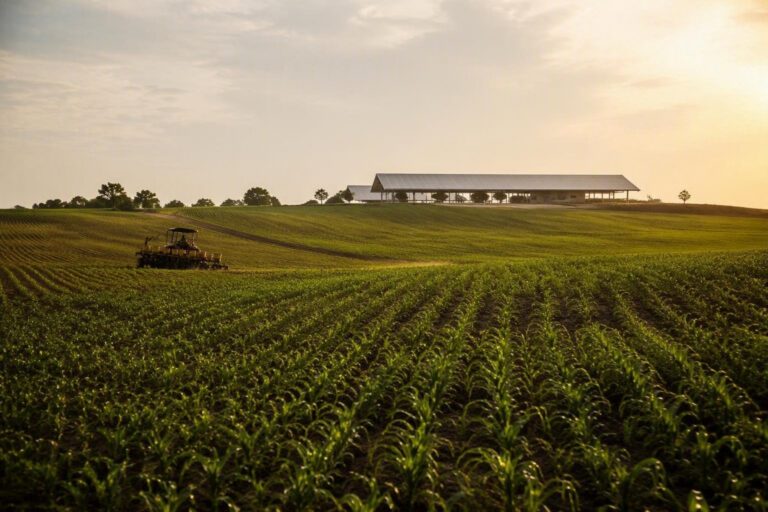
The global food system has become more resilient to the impacts of El Niño, thanks to decades of agricultural gains and technological advancements. As the world faces another ‘super’ El Niño event in 2026, the combination of near-record inventories, improved farming techniques, and the rise of key exporters is helping to mitigate potential disruptions.
Since the 1980s, world farm production has outpaced consumption and population growth. This progress has been driven by higher-yielding crop varieties, increased use of fertilizers, and better irrigation and crop protection methods. These advancements have significantly boosted yields of staples like rice, wheat, corn, and soybeans.
The Strengthening of Global Food Resilience
Despite the dryness brought by El Niño, which has already disrupted crop planting across large parts of Asia, the global food system is better prepared than ever. Andrew Whitelaw of Australian agricultural consultancy Episode 3 notes that better irrigation management and crop science allow for marketable yields even during drought conditions.
The potential impact on global food supplies and prices exists, but improved preparedness means disruptions are much less severe than in previous decades. This resilience is crucial as El Niño intensifies, with expectations that it will be one of the strongest on record.
The Role of New Exporters and Technological Advances
The emergence of new export hubs has added significant supplies to global markets. Brazil for example, has become the world’s biggest soybean supplier, with exports climbing more than 13-fold since 1997/98. Similarly, Russia’s wheat shipments have jumped to 48 million tons last year from roughly 1 million tons in 1997/98.
Researchers have developed drought-tolerant corn hybrids widely adopted across Africa and the Americas since 2015. Heat- and drought-tolerant wheat varieties have also gained ground in India and Australia, where advances in plant breeding have boosted resilience to water and heat stress. In South and Southeast Asia, short-duration rice varieties help farmers cope with increasingly erratic monsoon rains.
Farmers now have access to a suite of digital tools that were barely available during the El Niño event of 1997-98. These tools include satellite-based crop monitoring, seasonal climate forecasts, high-resolution soil moisture maps, and GPS-guided fertilizer application. These advancements allow farmers to target inputs more efficiently.
Challenges and Future Outlook
While the global food system is more resilient, challenges remain. Wars in the Middle East and the Black Sea region, particularly the Iran war that began in February, have disrupted global fuel and fertilizer supplies. The Strait of Hormuz, which carried about a fifth of global crude oil and liquefied natural gas supplies before the blockade, has seen significant disruptions.
Despite these challenges, the global food system is better equipped to handle the impacts of El Niño. With near-record grain inventories, drought-tolerant seeds, better weather forecasting, precision agriculture, improved irrigation, and the emergence of newer export powerhouses, the world is poised to cushion much of the fallout from this year’s ‘super’ El Niño event.