With temperatures soaring, critics argue that Labour's environmental policies have inadvertently transformed British countryside into fire-prone landscapes
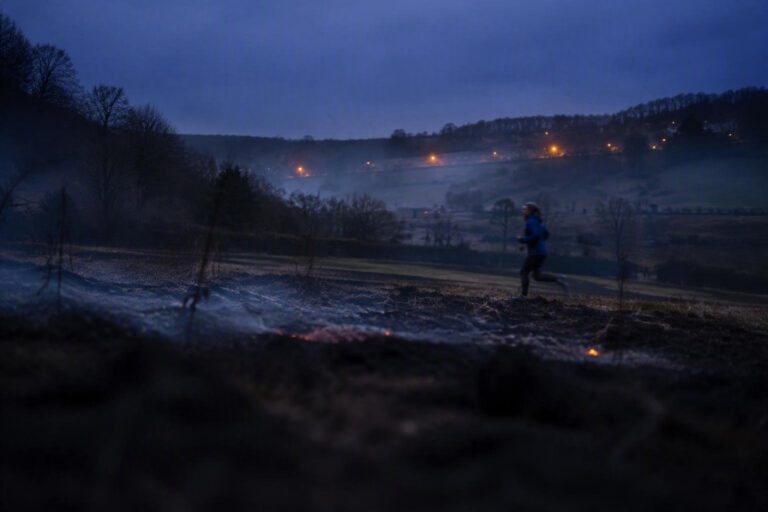
The United Kingdom is facing an unprecedented wildfire crisis, with 1,017 infernos already recorded in England and Wales this year—surpassing the total number of wildfires in the entire previous record year of 2026. As temperatures are forecast to reach 38°C today, critics are pointing fingers at Labour’s environmental policies, particularly their rewilding initiative as a significant contributing factor to this escalating disaster.
The rewilding drive, which promotes minimal human intervention in natural landscapes, has led to a substantial accumulation of dry vegetation. This buildup of flammable material is now primed to ignite during heatwaves, creating perfect conditions for wildfires to spread rapidly.
Traditional practices, such as controlled burning of heather and grasses by gamekeepers and farmers during cooler months, have been significantly curtailed by recent policy changes.
Policy changes and their unintended consequences
Last year, Labour extended regulations that prevent controlled burning on 1.6 million acres of land, primarily targeting peatlands.
The government argues that this move aims to improve air quality and protect both environmental and public health. However, critics contend that this policy has removed one of the most effective tools for preventing wildfires during warmer months.
Jonathan Roberts from the Country Land and Business Association expressed his concerns: “Last year was the worst on record for wildfires, yet ministers responded by making it harder for land managers to carry out the controlled burning necessary to stop wildfires taking hold in the warmer months.” He emphasized that the government has effectively banned the single-most important method of preventing wildfires, leading to the current crisis.
The human and environmental toll
The impact of these policies is being felt across the country. More than 100 firefighters are currently battling a major blaze in the New Forest that has raged for four days. Meanwhile, crews in South Wales described the situation as ‘carnage’ as they fought seven separate blazes, some of which were believed to be set maliciously.
Andy Burnham has called on shops to stop selling disposable barbecues, which he claims are behind many of the blazes. He hinted at a potential summertime ban in the future. Lord Botham a vocal critic of rewilding, urged the Prime Minister to take decisive action and place the Department for Environment Food and Rural Affairs (Defra) into special measures for ‘reckless incompetence’.
The science behind the controversy
Natural England insists that heather burning damages carbon-storing peat and promotes mechanical cutting as an alternative. However, critics argue that while this method reduces the so-called fuel load, it leaves behind ignitable materials. Lord Botham wrote in a newspaper: “The winter burns used to create firebreaks. Now we have huge expanses of continuous, ageing vegetation. The result is disaster after disaster.”
The new winter burning season is due to start on October 1. Critics argue that the Prime Minister has only weeks to reverse last year’s ban and restart these preventative winter burns. Garry Doolan spokesman for the British Association for Shooting and Conservation added: “Controlled burning has been an essential tool in the uplands for hundreds of years—for grazing, habitat and wildlife, moorland management, and wildfire mitigation.”
The way forward
Andrew Gilruth of the Moorland Association stated: “Rewilding sounds like a good idea, unless you end up facing a wall of flames. We simply have far, far too much vegetation covering our landscape, and until we reverse rewilding, the wildfires will get worse and worse.” Despite these criticisms, Defra maintains that its policies are a ‘long-term’ solution, asserting that peatland restoration is the most effective and sustainable way to reduce fuel load on degraded peatlands.
As the climate continues to change, the debate over the best approach to managing Britain’s landscapes is more pressing than ever. With the wildfire crisis showing no signs of abating, the government faces increasing pressure to reconsider its environmental policies and find a balance between conservation and fire prevention.