Learn how experts are using science to track, assess, and clean up the nurdle pollution affecting the North East coast of England
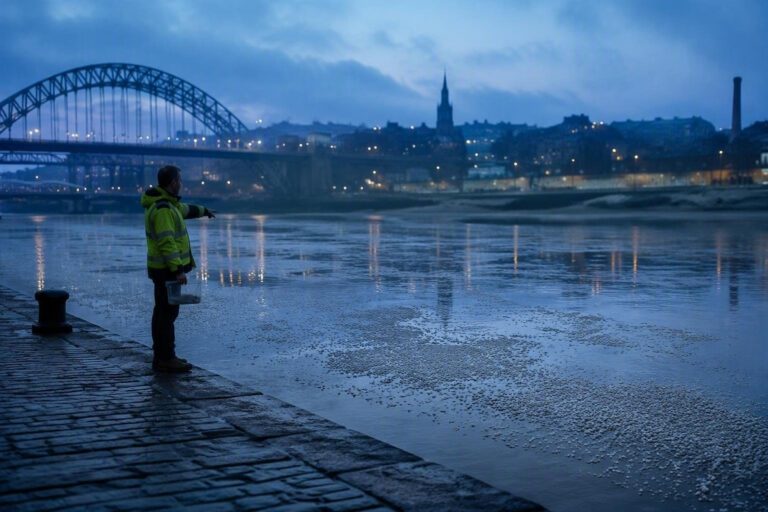
The North East coast of England is facing a significant environmental challenge following a maritime incident that released thousands of small plastic pellets, known as nurdles, into the Tyne estuary and along nearby beaches. These tiny plastic pellets, used as raw materials in plastic manufacturing, pose a substantial threat to local ecosystems and wildlife.
In response, a multidisciplinary team of scientists is working tirelessly to understand and mitigate the impact of this pollution event.
The Environment Agency and its partners are leading the recovery efforts, with a Scientific and Technical Advice Committee providing critical evidence to inform decision-making.
This committee, chaired by Dr. Rob Bradburne, brings together experts from various fields to address the complex challenges posed by the nurdle spill.
The Nature of Nurdles and Their Environmental Impact
Nurdles are small, lentil-sized plastic pellets that serve as the building blocks for many plastic products.
While they may seem harmless due to their size, they can cause significant environmental damage if they accumulate in large quantities. The recent maritime incident led to the release of these pellets, along with other debris, into the marine environment, where they have since washed up along the coastline.
The environmental risks associated with nurdles are multifaceted. They can be ingested by marine life, leading to internal injuries and potential toxicity. Additionally, nurdles can absorb harmful chemicals from their surroundings, further exacerbating their impact on wildlife and ecosystems. Protected coastal habitats, such as saltmarshes, mudflats, seagrass beds, and vegetated shingle, are particularly vulnerable to nurdle pollution.
Tracking the Movement of Nurdles
One of the primary challenges in managing the nurdle spill is understanding the movement and distribution of these pellets. The Scientific and Technical Advice Committee is employing a combination of modelling, monitoring, and expert judgement to track the nurdles’ path. Initial observations have revealed that some nurdles have travelled upstream, prompting further investigation into the estuary’s dynamics.
By integrating data from various sources, the committee is able to provide responders with a clearer picture of where nurdles may be present in the environment. This information is crucial for prioritising clean-up efforts and protecting sensitive habitats. Industry funding has been secured to support these investigative efforts, highlighting the collaborative nature of the response.
Assessing and Mitigating Environmental Risks
The committee is also focused on identifying the areas of greatest risk and potential impact. While research into the environmental effects of nurdles is ongoing, scientists are working to highlight potential vulnerabilities as the situation unfolds. This includes assessing the implications for seabirds, marine mammals, fisheries, and other coastal species.
Beyond the immediate impacts of pollution, the committee is advising on the appropriate timing to cease clean-up operations. Extensive excavation of beaches could potentially cause further harm to the habitats that the recovery efforts aim to protect. Therefore, the committee’s recommendations help responders balance the benefits of recovery against the risk of additional environmental damage.
The scientific committee is providing evidence-based recommendations on various aspects of the recovery process. This includes advising on the monitoring of materials in the marine environment, protecting sensitive habitats, and prioritising clean-up activities. The committee’s guidance is instrumental in supporting operational responders and decision-makers as they navigate the complexities of the recovery operation.
The Power of Collaborative Science
No single organisation possesses all the scientific knowledge and expertise required to address a complex environmental incident like the Tyne nurdle spill. Therefore, the Scientific and Technical Advice Committee draws on a wealth of expertise from government agencies, environmental regulators, public health specialists, and marine scientists.
Collaborating closely with colleagues from local groups and governmental organisations, including Natural EnglandCefas the Marine Management Organisation the Maritime and Coastguard Agency and the UK Health Security Agency as well as academic experts from the universities of Newcastle, Portsmouth, and Lancaster, ensures a comprehensive array of scientific disciplines are represented. This collaborative approach guarantees that decisions are informed by the most reliable evidence, whether the focus is on wildlife conservation, fisheries, public health, or marine pollution.
The ongoing recovery efforts in the Tyne estuary and along the North East coast serve as a testament to the power of scientific collaboration. By combining evidence, expert judgement, and multi-agency collaboration, experts are enhancing their understanding of environmental risks, making well-informed decisions, and ultimately protecting both people and the environment. While science may not completely eliminate uncertainty, it provides the most reliable foundation for making balanced and informed decisions when they matter most.