

A refreshed Bat Advice Service aims to offer instant online guidance for low-risk situations and targeted expert support when site visits are needed
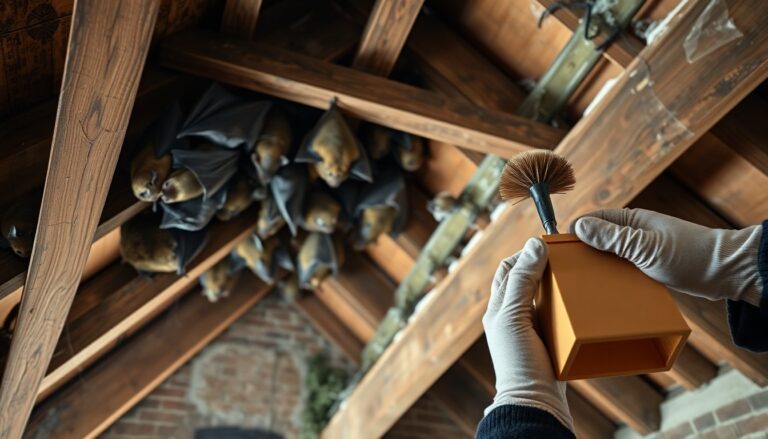
Natural England is revamping the Bat Advice Service (BAS) — the free guidance for householders and custodians of places of worship where bats roost. The update aims to make safety, conservation and building‑works advice quicker, clearer and easier to follow as more bats shelter in buildings.
Why this matters
Bats play a vital role in ecosystems and pest control. All 18 UK bat species are legally protected after past population declines. With natural roosting sites reduced, buildings are increasingly important for bats. That shift means owners and managers need straightforward, timely guidance about repairs, renovations and coexistence measures.
What the current service does
Today, the BAS delivers immediate, low‑cost help for common household questions. The Bat Conservation Trust runs the National Bat Helpline on Natural England’s behalf, offering practical tips for small repairs and non‑urgent incidents.
For situations that need closer inspection, volunteer bat roost visitors undertake site visits and compile reports. Natural England and the Bat Conservation Trust review those reports before issuing formal written advice. Because volunteers are central to this model, written guidance can sometimes be delayed.
Why Natural England is changing the service
The review responds to gaps in the current model that can leave householders unsure about legal and practical next steps — particularly for larger or more complex works that usually fall outside the free service. Natural England wants to reduce ambiguity over when BAS help applies and when paid surveys or planning consultation are needed.
Key aims of the reform:
– Faster, clearer triage so simple issues get quick answers and complex cases are routed to specialists. – Preservation of a free front line for routine, low‑risk matters while directing scarce specialist time to high‑risk and heritage sites. – More consistent decision‑making, with better records and escalation triggers.
Balancing digital access and specialist support
Routine queries will increasingly be handled through digital tools: searchable guidance, templated responses and an expanded online triage to provide 24/7 help for straightforward situations. Complex sites, listed buildings and unusual roosting behaviour will still receive specialist attention and in‑person surveys where needed.
Digital triage is intended to speed up response times and free specialists for delicate assessments. The redesign focuses on robust decision rules, audit trails and clear escalation criteria so that automated guidance does not replace necessary expert judgement.
What the reformed service will do
Natural England is building an online platform that collects essential information from users and delivers tailored advice. For low‑impact scenarios (minor repairs, basic roost‑proofing, non‑urgent coexistence measures) the platform will provide instant, step‑by‑step guidance and references to legal and best‑practice requirements. Ambiguous or high‑risk responses will trigger remote consultations or arranged site visits.
The system will log assessments and decisions to support compliance and retrospective review. Where a case cannot be resolved digitally, the service will signpost paid ecological consultants or, where justified, offer a free site visit.
What stays the same
The Bat Conservation Trust helpline and the expertise of volunteer roost visitors remain part of the transition. The current BAS will continue until the new platform is ready. Places of worship — which often host large or nationally important roosts — will continue to receive specialist attention and should not be expected to rely solely on digital tools.
Why this matters
Bats play a vital role in ecosystems and pest control. All 18 UK bat species are legally protected after past population declines. With natural roosting sites reduced, buildings are increasingly important for bats. That shift means owners and managers need straightforward, timely guidance about repairs, renovations and coexistence measures.0
Why this matters
Bats play a vital role in ecosystems and pest control. All 18 UK bat species are legally protected after past population declines. With natural roosting sites reduced, buildings are increasingly important for bats. That shift means owners and managers need straightforward, timely guidance about repairs, renovations and coexistence measures.1
Why this matters
Bats play a vital role in ecosystems and pest control. All 18 UK bat species are legally protected after past population declines. With natural roosting sites reduced, buildings are increasingly important for bats. That shift means owners and managers need straightforward, timely guidance about repairs, renovations and coexistence measures.2
Why this matters
Bats play a vital role in ecosystems and pest control. All 18 UK bat species are legally protected after past population declines. With natural roosting sites reduced, buildings are increasingly important for bats. That shift means owners and managers need straightforward, timely guidance about repairs, renovations and coexistence measures.3
Why this matters
Bats play a vital role in ecosystems and pest control. All 18 UK bat species are legally protected after past population declines. With natural roosting sites reduced, buildings are increasingly important for bats. That shift means owners and managers need straightforward, timely guidance about repairs, renovations and coexistence measures.4
