Archbishop Sarah Mullally's pilgrimage to Rome combines private prayer with official dialogue as two church leaders explore shared concerns and differences
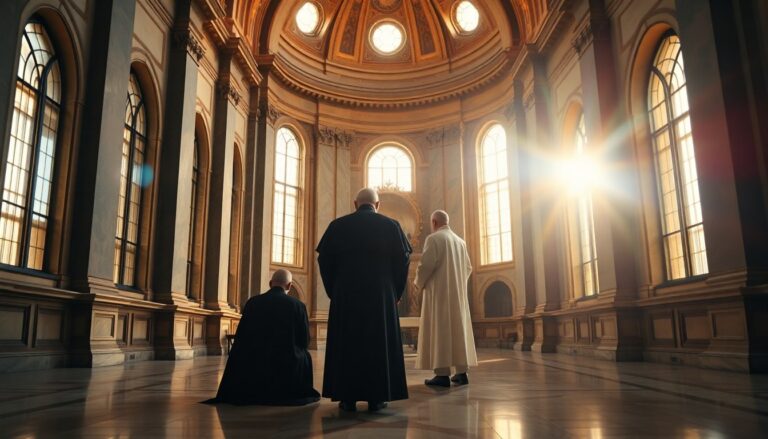
The Archbishop of Canterbury has journeyed to Rome for a short pilgrimage that includes a private audience with Pope Leo XIV. This meeting combines moments of shared prayer with formal conversation, reflecting a long-running commitment to dialogue between the Anglican Communion and the Roman Catholic Church.
Observers see the encounter as both pastoral and diplomatic: a chance for spiritual encounter and for reaffirming the channels that sustain inter‑church relations.
Accompanying the archbishop is a small delegation that underlines the visit’s official tone, including the Archbishop of Westminster.
The schedule blends liturgical acts and institutional meetings: private conversation in the Vatican, a joint address from each leader, and participation in midday prayer within the Apostolic Palace. Throughout the programme there is an emphasis on mutual respect, shared witness, and practical cooperation on projects that serve vulnerable people in the city.
Why the meeting matters
For many, this encounter is significant because it represents continuity in a decades‑long effort to cultivate Christian unity. The two communions have kept formal channels of conversation open through commissions and centres dedicated to ecumenical dialogue. The visit follows in the footsteps of earlier meetings between archbishops and popes that issued joint statements and sought to identify common ground. By meeting at the Vatican, the archbishop signals a commitment to prayerful encounter as a foundation for theological and pastoral conversations.
At the heart of that work is the shared desire to address global concerns such as poverty, migration and conflict. The meeting therefore combines symbolic gestures with practical aims: to explore ways Anglican and Catholic communities can coordinate relief efforts, advocate for peace, and support refugees. Those aims are framed as part of a larger vocation to present a united Christian witness while acknowledging theological differences that remain unresolved.
Key themes and tensions
Alongside cooperation, the visit inevitably highlights longstanding disagreements, not least questions about women’s ordination and the shape of ordained ministry. These topics have been cited in previous joint statements as obstacles to fuller institutional communion. The archbishop’s presence — as the first woman to serve in that office — therefore carries symbolic weight. It prompts reflection on how two traditions can sustain respectful relations while holding divergent practices and convictions on the role of women in ministry.
Context, witness and calls for peace
The meeting also takes place against a background of urgent global issues. Both leaders have made public appeals for peace and humane responses to conflict, urging political authorities and armed actors toward restraint. Prayer and public witness are used here as instruments of moral persuasion: a reminder that faith communities can amplify calls for justice, protection of civilians, and hospitality to people forced to flee their homes. The archbishop has been explicit in supporting appeals for non‑violent solutions where conflict persists.
What the programme includes
The visit’s itinerary is a mixture of sacred sites and institutional encounters. The archbishop will pray at significant basilicas and tombs in the city, meet officials from the Vatican departments responsible for unity, and visit cultural spaces such as the Vatican Museums. Liturgically, she will take part in services with Anglican congregations in the city and join the pope for a time of midday prayer in a chapel within the Apostolic Palace. The pilgrimage also includes engagement with charitable organisations working with refugees and other vulnerable groups.
Looking ahead
Whatever immediate headlines emerge, the deeper outcome of this meeting will be measured in steady relationships and continued conversation. The encounter is intended to deepen bonds without erasing differences, to encourage shared action in the world, and to model a form of leadership that makes space for both conviction and courtesy. Those who follow the churches’ work will watch for practical follow‑ups, new collaborative initiatives, and further theological exchange that keep the long project of Christian unity alive.