

Ev motion sickness can be beaten with simple fixes and understanding of neuro-vestibular science
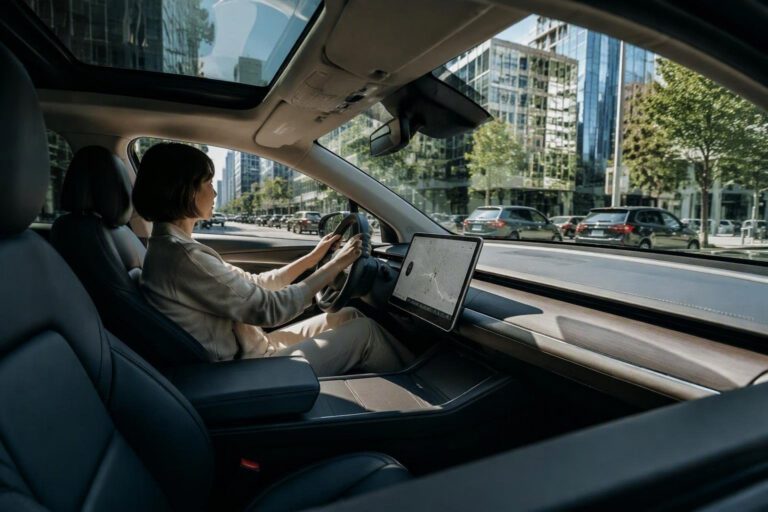
Electric vehicles have been gaining popularity in recent years, but some drivers and passengers have reported experiencing motion sickness. This phenomenon is not unique to evs, but the instant torque, quiet cabins, and regenerative braking can trigger nausea in some individuals.
The key to understanding ev motion sickness lies in neuro-vestibular science which studies the relationship between the nervous system, the vestibular system, and the body’s balance and equilibrium.
The main culprit behind ev motion sickness is the conflict between sensory inputs.
When the body receives conflicting signals from the eyes, ears, and sensory nerves, it can cause disorientation and nausea. In evs, the instant torque and regenerative braking can create a sensation of unpredictable movement which can exacerbate this conflict.
Driving Modes and Seat Positioning
To mitigate ev motion sickness, drivers can try adjusting their driving modes to reduce the intensity of acceleration and braking. Some evs come with features like comfort mode or eco mode which can help smooth out the ride. Additionally, passengers can try sitting in the front seat or middle seat to reduce the sensation of movement.
Visual Anchors and App Settings
Another strategy is to use visual anchors to help the body orient itself. Passengers can try looking at the horizon or a fixed point outside the vehicle to reduce the sense of disorientation. Some evs also come with app settings that allow drivers to adjust the regenerative braking and acceleration to a more comfortable level.
Route Planning and Preparation
Before embarking on a journey, drivers can plan their route to avoid winding roads or rough terrain that can exacerbate motion sickness. They can also prepare their passengers by explaining the route and providing reassurance. By taking these precautions, drivers and passengers can reduce the likelihood of ev motion sickness and enjoy a more comfortable ride.
For drivers and passengers who experience ev motion sickness, here is a quick checklist:
- Adjust driving modes to reduce intensity of acceleration and braking
- Sit in the front or middle seat to reduce sensation of movement
- Use visual anchors like the horizon or a fixed point outside the vehicle
- Adjust app settings to customize regenerative braking and acceleration
- Plan route to avoid winding roads or rough terrain
