

Secure your smart home with these essential tips and tricks to protect your personal data and devices
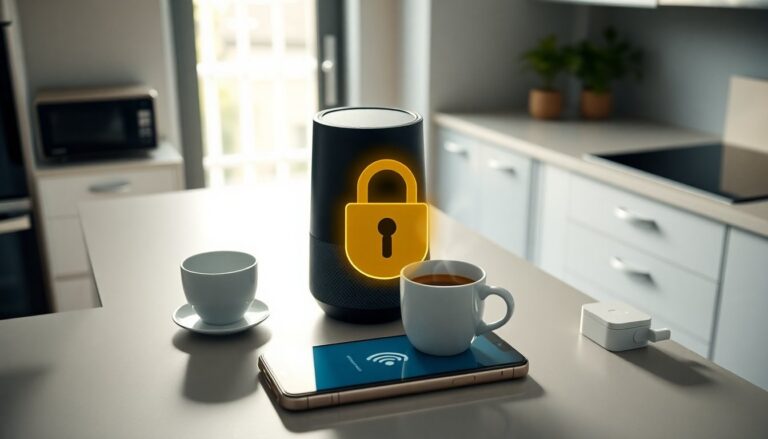
A smart home is a convenient and comfortable way to live, but it also comes with some risks. Privacy and security are major concerns when it comes to smart home devices. In this article, we will explore the ways to secure your smart home and protect your personal data.
Firstly, it is essential to understand the concept of smart home devices and how they work. Smart home devices are connected to the internet and can be controlled remotely using a smartphone or a voice assistant. This convenience comes with a risk of unauthorized access and data breaches.
This topic matters because connected devices often sit on the same home network as laptops and phones, and weak settings can expose more than a lightbulb. The coverage that follows offers a practical framework: understanding devices, applying layered defenses, choosing storage options wisely, and quick wins for shared living situations.
Understanding Smart Home Devices
Smart home devices include routers, cameras, doorbells and voice assistants. Each of these devices has its own set of permissions and settings that need to be understood and configured properly. For example, routers are the gateway to your smart home network, and it is essential to change the default password and enable the strongest wireless encryption available (such as WPA2 or higher) to prevent unauthorized access. It is also prudent to review device permissions, disable features not in use, and monitor admin logs where available to spot unusual activity.
Securing Your Smart Home Devices
To secure your smart home devices, it is essential to follow some best practices. Firstly, use strong passwords and enable two-factor authentication whenever possible. Secondly, keep your devices and software up to date with the latest security patches and updates. Additionally, it is essential to use a guest network for your smart home devices to prevent them from accessing your main network. This will help to isolate your devices and prevent them from being accessed by unauthorized users. A layered approach that combines unique credentials, segmented networks and consistent updates reduces the number of entry points and strengthens
Local vs Cloud Storage
Another important consideration is local vs cloud storage. Some smart home devices store data locally, while others store it in the cloud. It is essential to understand the storage options available for your devices and to choose the one that best suits your needs. For example, local storage may be more secure than cloud storage but it may also be more limited in terms of storage capacity and accessibility. Whichever option is chosen, protect access with strong credentials and verify that data is encrypted in transit and, where supported, at rest.
Quick Wins for Renters and House-Shares
Finally, for renters and house-shares, there are some quick wins that can be implemented to secure your smart home devices. Firstly, use a router with a built-in firewall to protect your network from unauthorized access. Secondly, use a smart plug with a built-in timer to control your devices and prevent them from being accessed when you are not home. In shared spaces, place IoT devices on a separate guest network, limit admin access to trusted adults, and educate household members on basic security hygiene to prevent accidental exposure.
Applying these principles helps maintain convenience without compromising safety, making connected living both practical and protected.
Ultimo aggiornamento: 7 luglio 2026
