

Discover the basics of formula one, including team structures, tyre compounds, and safety cars
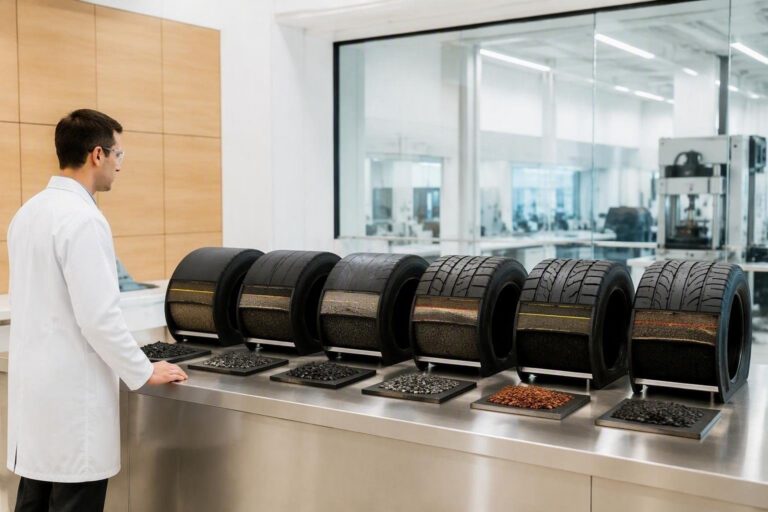
Formula one is a complex and fascinating sport, with a rich history and a global following. At its core, formula one is a competition between teams, each consisting of two drivers, who navigate high-speed circuits in custom-built cars.
The teams are the backbone of the sport, with each team comprising a multitude of personnel, including engineers, mechanics, and strategists. The tyre compounds used in formula one are a critical aspect of the sport.
There are several different compounds, each with its own unique characteristics, such as soft medium and hard.
The choice of tyre compound can significantly impact a team’s performance, with softer compounds providing more grip but wearing out faster, and harder compounds lasting longer but providing less grip. In most cases, slick compounds are grouped from harder to softer and are complemented by intermediate and full wet tyres for rain, reinforcing how compound selection frames the race plan.
Ultimo aggiornamento: 1 settembre 2026
Team Structures
A formula one team is typically divided into several key departments, including engineering mechanics, and strategy. The engineering department is responsible for designing and developing the car, while the mechanics department is responsible for building and maintaining the car. The strategy department is responsible for making tactical decisions during the race, such as when to pit and which tyre compound to use. Generally, each driver is allocated a controlled number of tyre sets across a weekend, with returns after practice sessions; allocations can be subject to regulatory updates, so official documents should be checked before attending.
Tyre Strategy
Tyre strategy is a critical aspect of formula one, with teams carefully planning their tyre usage to maximize their performance. The undercut is a common strategy, where a team pits earlier than their rivals in an attempt to gain an advantage. The overcut is the opposite strategy, where a team pits later than their rivals in an attempt to conserve their tyres. Teams weigh compound life track position, and safety-car risk to choose between aggressive stints on softer tyres and longer runs on harder options, timing pit windows to exploit clean air and manage degradation.
Safety Cars and Budget Caps
The safety car is a crucial aspect of formula one, deployed in the event of an incident on the track. The safety car allows the drivers to slow down and regroup, while the incident is cleared. The budget cap is a regulation introduced to reduce costs and promote competition, limiting the amount of money a team can spend on their car and operations. Practical race-watching benefits from noting how a safety car compresses gaps and often triggers opportunistic stops, while cost controls influence resource allocation throughout the season.
To enjoy a formula one race weekend, whether from home or at the track, it is essential to have a basic understanding of the sport. Here is a checklist of key things to look out for: Team structures and personnel Tyre compounds and strategy Safety cars and their deployment Budget caps and their impact on the sport
