Learn about the role of aerodynamics in formula one and its impact on performance
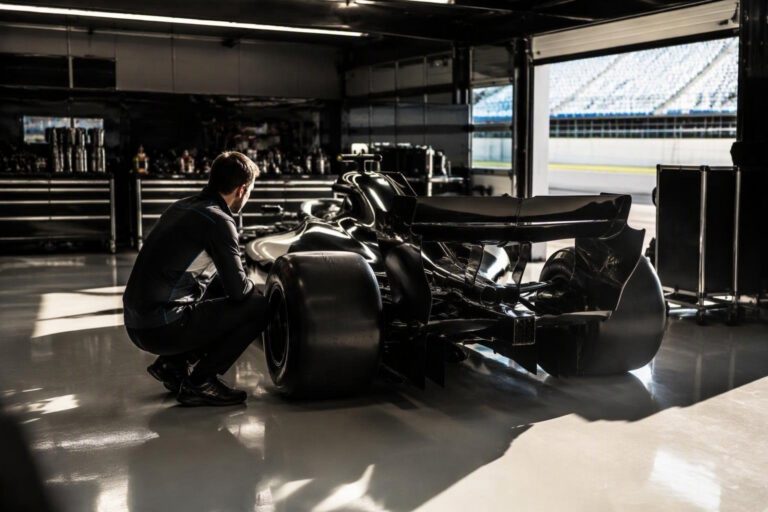
Formula one aerodynamics is a crucial aspect of the sport, as it directly affects the speed and performance of the cars. Aerodynamic drag and downforce are two key concepts that teams must balance in order to achieve optimal results.
The main components that contribute to a car’s aerodynamics are the wingsfloors and diffusers.
These elements work together to create the perfect balance of drag and downforce, allowing the car to corner quickly and maintain high speeds on straights.
Understanding Aerodynamic Upgrades
Teams are constantly looking for ways to improve their car’s aerodynamics, and this is often achieved through upgrades.
Aerodynamic upgrades can include modifications to the wings, floors, and diffusers, as well as the addition of new components such as drag reduction systems.
However, teams must be careful not to compromise the car’s This is where the parc fermé rules come into play, which dictate that certain components of the car must remain unchanged during a race weekend.
Penalties and Strategy
If a team is found to have made unauthorized changes to their car’s aerodynamics, they may be subject to penalties. These penalties can have a significant impact on a team’s strategy, as they may be forced to start from the back of the grid or serve a time penalty during the race.
As a result, teams must carefully consider the risks and benefits of making aerodynamic upgrades, and ensure that they are compliant with the parc fermé rules. This requires a deep understanding of the complex relationships between drag, downforce, and speed.
Visualizing Aerodynamic Trade-Offs
One way to illustrate the trade-offs involved in aerodynamic design is through the use of simple visuals. For example, a graph showing the relationship between drag and downforce can help teams understand the impact of different design choices on their car’s performance.
By analyzing these visuals, teams can make informed decisions about how to optimize their car’s aerodynamics for different circuits. For instance, a circuit with a high number of slow corners may require a different aerodynamic setup than a circuit with long straights.