

Qatar says the ongoing Iran‑US clash is crushing global markets, while the tiny Gulf state tries to broker peace and keep the Strait of Hormuz open.
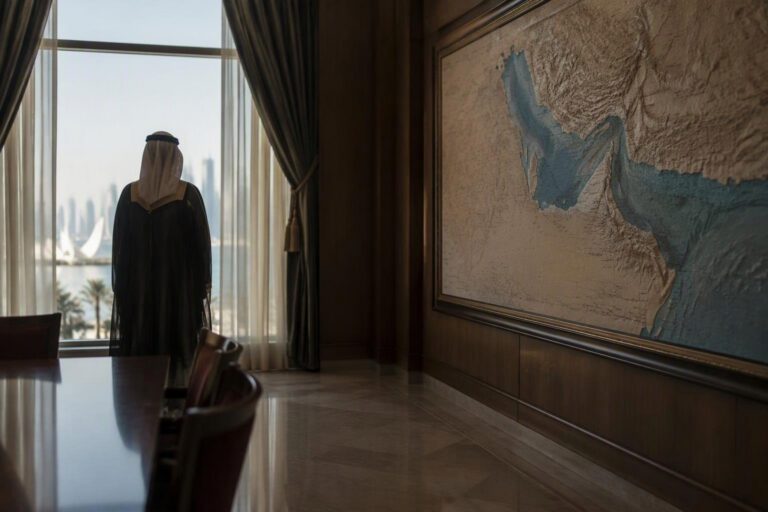
Doha has re-opened its diplomatic channels to act as a go-between for Washington and Tehran, warning that the conflict that erupted after joint U.S.–Israeli strikes on Iran in late February is now imposing an unbearable strain on the worldwide economy.
Foreign-ministry spokesman Dr Majed Al Ansari told reporters that the region’s markets are under pressure and that every additional escalation would magnify the hardship for both neighbours and distant trading partners.
Qatar’s renewed mediation effort
The Qatari government says it has been passing messages between the two sides in recent days, though it declined to disclose how far the negotiations have progressed.
Al Ansari emphasized that any settlement must overcome a series of obstacles, promising that Doha will continue to “bridge the gap” and push for a durable arrangement that guarantees non-aggression among all Gulf states, Iraq and Jordan, which have not taken part in the hostilities.
According to the spokesperson, a lasting peace would also require a regional security framework based on coexistence, and a key demand is the restoration of free navigation through the Strait of Hormuz – a chokepoint that handles the bulk of the Gulf’s export flow.
Economic fallout beyond oil and gas
While crude and natural-gas shipments dominate headlines, Qatar highlighted that its economy also supplies vital commodities such as urea, ammonia, helium, petrochemicals and aluminium. The disruption of Hormuz traffic has ripple effects on agricultural production worldwide, as nations that depend on Gulf fertilizer exports face reduced crop yields. Moreover, the blockage is forcing some countries to revert to coal, undermining recent decarbonisation gains just as winter approaches.
Price inflation is now palpable inside Iran itself. Households report that basic items – from diapers and medicine to school supplies – have multiplied in cost by five- to six-fold. A 60-year-old woman named Hediyeh explained she can only afford pencils for her grandson, while a Tehran restaurateur, Behnam Riazi, says he cannot raise menu prices because customers have cut discretionary spending to the bare essentials.
Rising bribes and black-market charges
Corruption has crept into daily transactions, with reports of surgeons demanding $200 under the table to bypass paperwork and police checkpoints asking for higher payments to allow passage without proper identification. Such illicit fees exacerbate the squeeze on an already strained middle class.
Human consequences and diplomatic undercurrents
Beyond numbers, the war is reshaping livelihoods. An engineer from Tehran’s outskirts moved to a slum-adjacent district after rent spiralled, while a young professional in Sanandaj quit smoking because cigarette prices surged beyond affordable limits. Job security is eroding too; a office worker was dismissed the day after her contract renewal, illustrating the volatile labour market.
These socioeconomic pressures are feeding discontent, yet the immediate struggle for food and shelter leaves little room for public protest. The Iranian rial has slumped to record lows – trading above 2.5 million per U.S. dollar – further destabilising personal finances.
In parallel, indirect talks have surfaced suggesting Iran might reopen the Hormuz passage within a week if Washington lifts its port blockade, releases frozen assets and eases sanctions on Iranian crude. Doha continues to shuttle these proposals, hoping to avert a deeper global recession and prevent the conflict from spiralling into a broader regional war.
