Discover the role of the virtual safety car in formula one and its impact on the sport
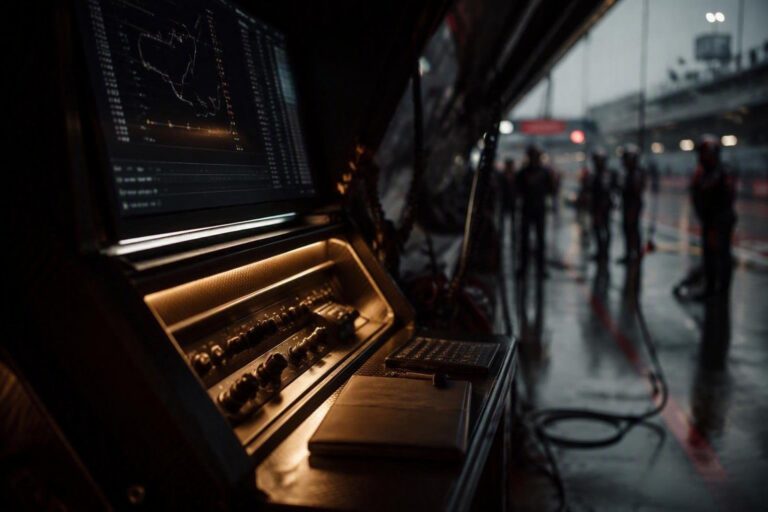
The virtual safety car (VSC) is a system used in formula one to neutralize the race in the event of an incident, allowing marshals to safely clear the track without the need for a full safety car deployment. This system has been in place since 2015 and has significantly impacted the way teams approach pit strategy and race tactics.
Introduction to the Virtual Safety Car
The VSC is activated when there is an incident on the track that requires the marshals to intervene, but does not necessitate a full safety car deployment. When the VSC is activated, drivers are required to slow down to a predetermined delta time which is typically 40% slower than the normal racing pace.
This allows the marshals to safely clear the track without the risk of a collision with the racing cars.
Impact on Pit Windows
The VSC has a significant impact on pit windows as teams can use the period of reduced speed to make a pit stop without losing as much time as they would during a normal racing pace.
This can be a crucial strategic decision, as it can allow a team to gain an advantage over their competitors. However, it also carries a risk, as the team may lose time if the VSC is lifted before they can complete their pit stop.
Delta Times and Race Strategy
The delta time is a critical component of the VSC system, as it determines the speed at which drivers must travel during the period of reduced speed. The delta time is calculated based on the driver’s previous lap times and is designed to ensure that drivers do not gain an advantage by speeding during the VSC period. Teams must carefully consider their race strategy when the VSC is activated, as it can have a significant impact on their
Common Misconceptions
One common misconception about the VSC is that it is only used in the event of a serious incident. However, the VSC can be activated for a variety of reasons, including debris on the track or a car being recovered from a dangerous position. Another misconception is that the VSC is always a benefit to the teams, as it can allow them to make a pit stop without losing time. However, the VSC can also be a disadvantage if a team is not prepared to take advantage of it, or if they lose time due to the reduced speed.
Real-World Scenarios
The VSC has been used in a variety of real-world scenarios, including the 2015 Monaco Grand Prix where it was activated due to a crash involving Max Verstappen. In this instance, the VSC allowed teams to make a pit stop without losing time, which had a significant impact on the outcome of the race. In another example, the 2019 Brazilian Grand Prix saw the VSC activated due to a crash involving Charles Leclerc and Sebastian Vettel which allowed Carlos Sainz to gain an advantage and finish on the podium.
Quick Checklist for Fans
For fans, it can be difficult to understand the intricacies of the VSC system. However, by following a few simple steps, fans can quickly get up to speed. First, pay attention to the delta time and how it affects the drivers’ speeds. Second, consider the pit strategy of the teams and how the VSC may impact their decisions. Finally, keep an eye on the race tactics of the teams and how they adapt to the changing circumstances of the race.