

Understand the environmental and practical downsides of rock salt, learn recommended alternatives such as calcium chloride, and review how city services, parking rules and assistance programs support winter safety.
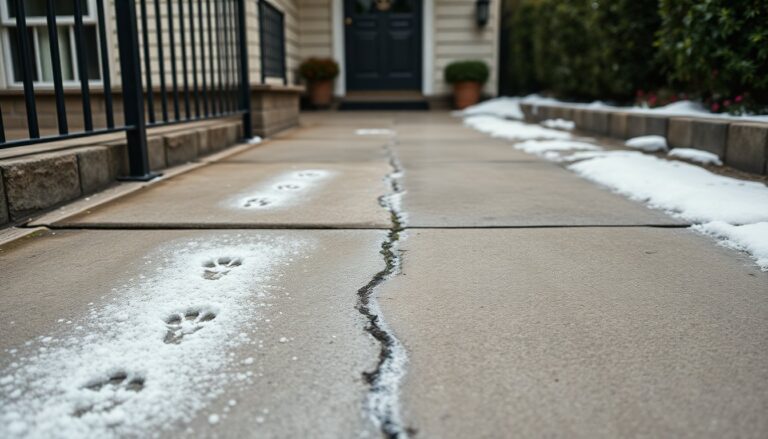
Public health and environmental advisers warn against routine use of rock salt on private walkways and driveways. They say sodium chloride damages plants, corrodes infrastructure and can harm pets and children. The guidance comes amid repeated winter storms and higher municipal costs for repairs.
Published 14/02/, officials and scientists continue to urge caution about sodium chloride (rock salt). This report summarizes expert concerns, outlines safer chemical and mechanical alternatives, and describes how local winter rules and support services help keep streets and sidewalks accessible.
From an ESG perspective, the issue links public health, municipal budgets and environmental impact. Sustainability is a business case: preventing corrosion and soil salinization reduces long-term repair costs for councils and property owners. Leading companies have understood that selecting alternatives and improving snow-clearing practices can cut risk and expense.
Why rock salt is often a bad choice
Environmental and infrastructure impacts
Leading companies have understood that selecting alternatives and improving winter maintenance can reduce long-term costs and risks. Sustainability is a business case when infrastructure longevity and ecosystem health are measured.
Sodium chloride corrodes metal and concrete. It shortens the life of street furniture, bridges and vehicle finishes. It also raises maintenance bills for municipalities and homeowners.
Road salt changes soil chemistry near treated surfaces. That process dehydrates roots and stunts urban trees and shrubs. From an ESG perspective, these impacts create reputational and regulatory risks for property owners and contractors.
Salt dissolves and runs into storm drains. It increases chloride levels in rivers and groundwater. Elevated chloride can disrupt freshwater species and alter aquatic food webs.
Experts urge limits on routine application and advocate for alternatives. These include abrasive traction materials, brine pre-treatment and lower-chloride products. Practical switches can cut corrosion, protect vegetation and reduce water pollution.
Implementation starts with better targeting. Calibrated spreaders, temperature-based protocols and staff training improve efficiency. Monitoring chloride loads in local waterways helps validate results and guide policy.
Examples of practical change already exist. Municipal fleets that switched to pre-wetted mixes reported fewer road repairs. Commercial property managers who adopted precise application reduced salt use and liability claims.
The next section outlines specific alternative products, cost comparisons and a step-by-step roadmap for local governments and private operators.
Better products and best practices for homes
Local residents and property managers can cut environmental harm and repair bills by changing how they manage winter surfaces. NaCl speeds wear on pavements and harms trees and soils. It also accumulates in groundwater and surface waters, affecting aquatic life and drinking water sources.
What to use instead of rock salt
Choose de-icers with lower corrosion and environmental profiles. Options include chloride-free blends and organic-based liquids. These products generally reduce concrete and metal damage and lower long-term maintenance costs.
Brine pre-treatment applied before a storm prevents bond between ice and pavement. Mechanical removal with shovels and snow blowers remains the least harmful approach. For traction, use sand or gravel sparingly to avoid runoff and clogging drains.
Practical steps for households
Start with prevention. Clear snow promptly to reduce the amount of de-icer needed. Apply any product sparingly and only on high-risk walking areas. Measure doses rather than using handfuls; over-application multiplies environmental and infrastructure costs.
Protect vegetation by keeping de-icer off soil and tree pits. Where possible, create physical barriers or use absorbent materials to limit salt spray from sidewalks and driveways.
Costs and business case
Sustainability is a business case: reduced pavement and vehicle corrosion lowers repair and replacement expenses. From an ESG perspective, lowering salt use reduces liability related to ecosystem damage and municipal water treatment burdens. Leading companies have understood that upfront investment in better products and equipment can cut total lifecycle costs.
Examples of implementation
Private operators and homeowners associations can pilot chloride-free mixes on high-footfall paths and compare surface condition and vegetation health over a season. Municipal guidance and pooled procurement can lower unit costs for higher-quality products.
The next section presents a detailed cost comparison and a step-by-step roadmap for local governments and private operators to scale safer winter maintenance practices.
Local authorities and property managers should choose de-icers that balance performance with environmental impact. Municipal guidance often prefers calcium chloride (CaCl2) because it melts ice at lower temperatures and requires smaller quantities. Calcium chloride releases heat as it dissolves, which accelerates melting and reduces the need for repeat applications. Potassium chloride (KCl) poses less risk to vegetation than sodium chloride but performs less effectively in extreme cold.
Avoid plain sand when the goal is melting rather than traction. Sand does not melt ice, can be tracked indoors, clogs drains, and increases municipal cleanup costs in spring. Also avoid blends with large proportions of sodium chloride where possible, given its corrosive effects on concrete, metal, and urban trees. For routine use, apply only the manufacturer’s recommended dose of an appropriate product. Pre-treating high-traffic zones ahead of a forecasted storm can reduce total chemical use and labour.
Mechanical methods and correct application
Mechanical removal remains the first line of defence. Shoveling, ploughing and scraping remove bulk ice and cut the chemical load needed to clear surfaces. Combine mechanical actions with targeted de-icing to limit environmental exposure.
From an ESG perspective, integrate these practical steps into operations:
- Prioritise mechanical clearing on walkways and emergency routes to reduce chemical dependency.
- Use calcium chloride in low-temperature spots and potassium chloride where vegetation sensitivity is a concern.
- Calibrate spreaders and train operators to apply the minimum effective rate. Over-application increases costs and downstream impacts.
- Capture and manage runoff near drains and sensitive habitats to prevent pollutant concentration.
Sustainability is a business case: lower product use reduces procurement and repair costs while limiting environmental harm. Leading companies have understood that combining mechanical methods with targeted chemical use protects assets and community health without sacrificing safety.
Practical implementation starts with a simple roadmap. Assess critical routes, set material-use standards, invest in operator training, and monitor outcomes through measurable KPIs such as product consumption per kilometre and incident rates. Life-cycle thinking — including equipment wear, concrete degradation and vegetation loss — should inform procurement and budgeting choices.
Examples of effective practice include fleets that pre-treat high-traffic nodes with brine and then clear slush mechanically, and municipalities that switched to lower-dose calcium chloride blends while upgrading drainage to reduce pollutant build-up. These steps lower costs and protect infrastructure.
Next: a detailed cost comparison and a step-by-step roadmap for scaling safer winter maintenance practices across municipal and private sites.
Next, a detailed cost comparison and a step-by-step roadmap will follow this practical guidance on on-the-ground winter maintenance.
Who: property owners and municipal crews share responsibility for safe walkways and public access. What: manual clearing remains the most reliable first-line defense against ice. Clearing snow down to the pavement prevents compaction and lowers dependence on chemical de-icers. When: local ordinances commonly require removal within 12 hours after snowfall ends, and often shorter windows if ice forms. Where: priority areas include sidewalks, crosswalks, bike lanes, catch basins and fire hydrants. Why: prompt removal reduces slip hazards, limits the need for additional salts, and protects storm drains and water quality.
From an ESG perspective, sustainability is a business case when winter maintenance reduces chemical use and downstream treatment costs. Leading companies have understood that investing in routine manual clearance and targeted mechanical clearing can cut scope 1-3 risks tied to environmental damage and liability.
How cities support residents during winter
Cities typically combine municipal services with homeowner obligations. Many operate prioritized plow routes for arterial roads and main pedestrian corridors. Some provide public supplies of sand or grit and maintain drop-off sites for cleared snow. Municipal programs may also offer assistance or exemptions for older adults and people with disabilities.
Practical steps for property managers and residents include coordinating clearing schedules with municipal plow times, avoiding pushing snow into streets or bike lanes, and keeping catch basins and hydrants accessible. From an operational perspective, calibrating salt use to surface temperature and combining mechanical clearing with limited abrasives preserves pavement and reduces environmental impact.
Next: the article will present a cost comparison and a phased roadmap for scaling safer, lower-impact winter maintenance across municipal and private sites.
Programs for older adults and people with disabilities
Municipal departments typically prioritise routes serving seniors and people with disabilities during storms. Crews focus on sidewalks near healthcare facilities, meal-delivery corridors and access points to public transit.
Local governments often pair clearing operations with volunteer and contracted support. Volunteers, non-profit partners and private contractors can provide targeted help with snow removal around homes and entrances to multi-unit buildings.
Many cities run registered-assistance schemes that allow residents to request help before and during a declared snow event. These programs usually require pre-registration and provide limited, time-bound support for walkway clearing and access to curbside services.
From an ESG perspective, offering assistance reduces health risks and preserves mobility for vulnerable groups. Sustainability is a business case when reducing emergency calls and avoiding longer-term care costs.
Practical steps for residents and property managers include keeping a visible aid request card, arranging third-party help in advance, and ensuring designated access routes remain unobstructed for deliveries and emergency services.
Cities also publish eligibility criteria, registration procedures and contact numbers on municipal websites and emergency portals. Sign-up and verification processes vary; residents should consult official channels early in the winter season.
Leading companies and municipalities have piloted tech-enabled matching platforms that link registered residents to vetted contractors for rapid responses. These pilots aim to scale assistance while maintaining accountability through verified credentials and digital logs.
The next section presents a cost comparison and a phased roadmap for scaling safer, lower-impact winter maintenance across municipal and private sites.
Local support programs and neighborhood actions
Municipalities often provide help for residents who cannot shovel. Many offer a snow exemption program for eligible low-income seniors or homeowners with disabilities. Others publish vetted lists of paid shoveling services. Youth shoveler programs connect teens with residents needing assistance. These measures target accessible sidewalks for wheelchair users, parents with strollers and people using walkers. Most policies require a cleared path of at least three feet.
From an ESG perspective, small cooperative steps reduce safety risks and environmental impacts. Shovel to the curb so collection crews can reach trash bins. Clear around fire hydrants and apply only the necessary amount of approved ice melter. Sustainability is a business case: coordinated neighborhood action lowers municipal costs, limits corrosive chemical use and shortens response times. The next section presents a cost comparison and a phased roadmap for scaling safer, lower-impact winter maintenance across municipal and private sites.
Stay informed and choose low-impact de-icing
Check your city’s snow center or public works pages for local rules and the latest storm information. Sign up for emergency alerts to receive timely notifications from municipal authorities.
Thoughtful choices about de-icing products reduce harm to infrastructure and ecosystems while protecting people. From an ESG perspective, products with lower chloride content and proven aquatic toxicity profiles limit groundwater and roadside vegetation damage. Calcium magnesium acetate and beet-based blends perform well in many urban settings, though cost and melting speed vary by temperature and application.
Sustainability is a business case: lower-impact materials can cut long-term repair costs to sidewalks, roads, and buried infrastructure. Leading companies have understood that investing in training, calibrated spreaders and measured application rates saves money and reduces scope 3 liabilities tied to supply chain impacts.
Practical implementation requires clear roles and modest investments. Map priority routes and vulnerable properties, update procurement specs to favor lower-impact products, and run short trials to measure efficacy and cost per melt. Combine this approach with volunteer coordination and municipal assistance programs to ensure coverage for residents who cannot clear walkways.
The next section presents a cost comparison and a phased roadmap for scaling safer, lower-impact winter maintenance across municipal and private sites.
