

Two easy adjustments — keeping food caddies out of direct sun and always using compostable liners — can prevent flies, maggots and foul odours while making collection crews’ work cleaner and faster
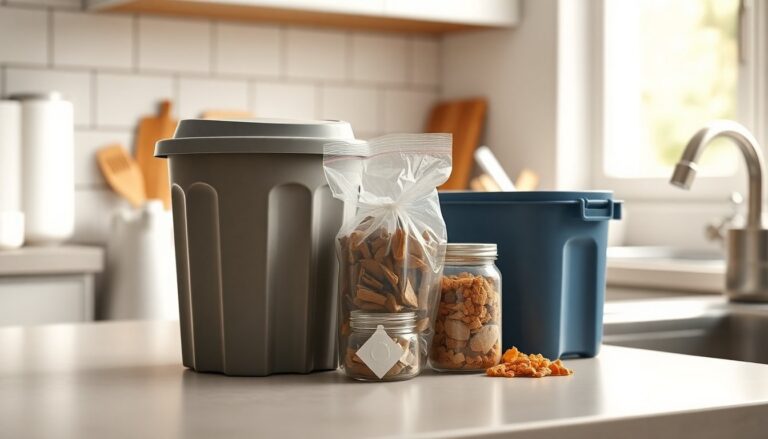
Many households now separate food scraps for dedicated collection so kitchen waste can be converted into compost or renewable energy. While the scheme delivers environmental benefits, everyday habits around storage and packaging of scraps strongly influence how clean and manageable those collections are.
This article highlights two common mistakes that cause unpleasant smells, attract flies and produce maggots in food waste bins. The advice below is practical, easy to apply and preserves the effectiveness of the recycling stream while reducing nuisance for both residents and collectors.
Why bin handling matters
Food in a sealed outdoor container behaves differently depending on heat, time and exposure. When a bin heats up or receives loose scraps, it becomes a staging ground for insects and bacterial activity. The result is strong odours and, over time, the emergence of maggots that further complicate cleaning and disposal.
Two simple variables — the bin’s microclimate and how food is placed inside — explain most problems. Addressing those variables requires minimal effort but pays back with fewer complaints, cleaner public spaces and less work for collection staff.
Keep the bin out of direct sunlight
Many outdoor caddies are manufactured in darker plastics that absorb heat. When sunlight warms the container, the contents rise in temperature and accelerate decomposition. That warmth encourages fly activity and speeds up putrefaction, producing stronger odours and increasing the likelihood of fly eggs and larval infestations.
If you have flexibility, store food caddies in shaded spots such as a north-facing wall, beneath eaves or inside a shed until the morning of collection. Even moving the bin a few metres away from direct sun can reduce internal temperature and slow the biological processes that lead to maggots and smells.
Practical placement tips
When shade is limited, aim for partial protection: place the bin behind a fence, on the cooler side of the house, or under a covered area. If those options are not available, consider a light-coloured wrap or cover that reflects heat; avoid dark fabric which can trap warmth. The goal is to reduce the amount of time the bin is heated during the day.
Always use liners for food scraps
Depositing loose food directly into an outside caddy is one of the fastest ways to cause persistent odour and internal contamination. A simple solution is to use biodegradable or compostable liners that are designed for food waste collections. These liners help keep the bin interior clean, reduce direct contact with moist residues and make it easier for collectors to handle the waste.
Using liners also protects the bin from sticky liquids and accelerates emptying without leaving significant residues. If you prefer not to buy specific liners, wrapping food in newspaper or a small paper bag is an effective alternative that still reduces loose leakage and discourages flies from settling directly on wet scraps.
Cleaning and maintenance
Even with proper lining and placement, regular maintenance keeps problems at bay. Rinsing the caddy occasionally, allowing it to dry fully and using a mild disinfectant can prevent lingering smells and mould. Remember that collection crews are not responsible for cleaning household bins, so routine washing is the resident’s responsibility to maintain hygiene.
Why these two habits help everyone
In combination, storing the bin in shade and bagging food waste reduces heat-driven decomposition and limits access for flies. That means fewer smells for neighbours, less chance of maggot infestations, and a cleaner experience when bins are emptied. Collectors benefit because less contaminated containers are faster and safer to empty, cutting down on job hazards and unpleasant work conditions.
Applying these two small habits has a big ripple effect: households avoid the inconvenience of having to deep-clean smelly bins, local crews face fewer health risks, and the collected waste stays in better condition for processing into compost or biogas. Making the change is simple, free or low-cost, and delivers immediate improvements.
In short: keep your food caddy shaded where possible, always use a compostable liner or wrap scraps in paper, and wash the bin regularly. These three steps dramatically lower the chance of flies and maggots, reduce odours, and make weekly food waste collections run smoothly for everyone.
