

Fire emergencies demand swift action. This guide reveals how to create comprehensive evacuation plans and design safe escape routes that can save lives.
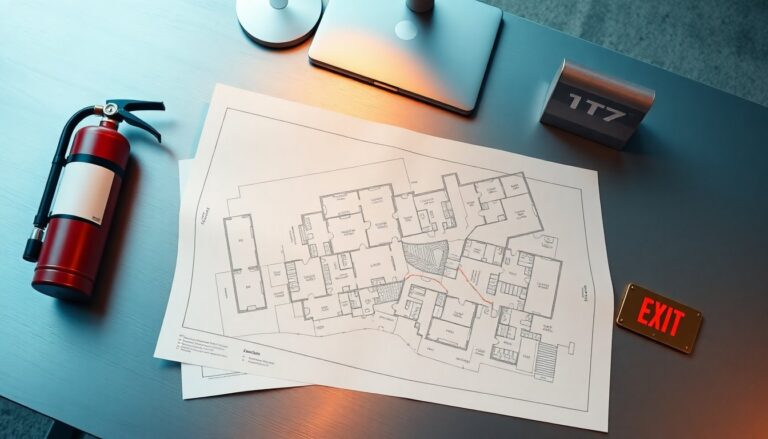
The unpredictability of fire emergencies makes preparation essential. A well-designed evacuation plan and clearly marked escape routes can mean the difference between safety and tragedy. This guide explores the critical elements that make evacuation plans effective and how to implement them in any building.
Fire safety is not just about prevention; it’s about ensuring everyone knows what to do when seconds count. Whether for homes, businesses, or public spaces, understanding how to create and practice evacuation plans is a vital skill. The following sections will walk you through the process of developing a plan that protects lives and property.
The Importance of Fire Evacuation Plans
A fire evacuation plan serves as a roadmap for safe exit during emergencies. Without one, people may panic, waste time searching for exits, or become trapped. An effective plan includes:
- Identification of all exits and escape routes
- Assignment of rolessuch as fire wardens or first aid responders
- Instructions for alerting emergency services
- Guidance for assisting individuals with disabilities or special needs
Buildings equipped with clear evacuation plans experience fewer injuries and faster evacuations.
Regular fire drills based on these plans help occupants practice and remember procedures, reducing confusion during real emergencies.
Key Components of an Effective Evacuation Plan
To ensure your evacuation plan is robust, include these essential components:
Clear and Accessible Escape Routes
Escape routes must be easy to locate and free of obstacles. Mark them with visible signs and emergency lighting. These routes should lead to a designated safe assembly point outside the building. Regularly inspect routes for blockages or damage to maintain their usability.
Multiple Exits for Every Area
Relying on a single exit is risky. Provide at least two escape routes from every room or area. This redundancy ensures an alternative path if one route is blocked by fire or smoke. Clearly mark all exits and ensure they are easily accessible.
Emergency Contact Information
Include phone numbers for fire departments and emergency responders. Display this information prominently so everyone knows how to call for help quickly. Ensure that contact details are up-to-date and easily accessible.
Roles and Responsibilities
Assign specific tasks to occupants to streamline the evacuation process. Roles may include:
- Fire wardens to guide people to safety
- First aid responders to provide medical assistance
- Individuals responsible for shutting down equipment or utilities
Special Assistance Plans
Plan for individuals who may need help evacuating, such as those with mobility challenges, children, or elderly occupants. Develop strategies to assist these individuals quickly and safely during an emergency.
Designing Safe Escape Routes
The design of escape routes is crucial for ensuring safety and efficiency during an evacuation. Consider the following factors:
Keep Routes Clear and Direct
Avoid clutter or locked doors along escape paths. Routes should be as straight and short as possible to minimize evacuation time. Regularly check for obstructions and remove them promptly.
Use Fire-Resistant Materials
Doors and walls along escape routes should be made of fire-resistant materials to provide protection during evacuation. This helps contain the fire and smoke, giving occupants more time to exit safely.
Install Emergency Lighting
Power outages often occur during fires. Install emergency lighting to help people see exit signs and pathways in darkness or smoke. Ensure that lighting is tested regularly to confirm it functions properly.
Regular Inspections and Maintenance
Conduct regular inspections of escape routes to check for blockages, damage, or malfunctioning signs and lights. Address any issues immediately to maintain the integrity of the evacuation plan.
Practicing Fire Evacuation Plans
Having a plan is not enough; regular practice ensures everyone knows what to do. Conduct fire drills at least twice a year to simulate different fire scenarios and test all escape routes. Review and update plans based on feedback from these drills.
Train new occupants or employees on evacuation procedures to ensure everyone is prepared. Practice makes perfect, and regular drills help build confidence and familiarity with the plan.
Tips for Individuals During a Fire
Knowing what to do personally can save lives. Follow these tips during a fire:
- Stay calm and move quickly but safely
- Use the nearest safe exit, not elevators
- If smoke is present, stay low to the ground
- Check doors for heat before opening
- Follow instructions from fire wardens or emergency personnel
- Assemble at the designated meeting point and do not re-enter until cleared
Fire safety is a shared responsibility. Building managers, employers, and occupants must work together to create and maintain effective evacuation plans and escape routes. By prioritizing safety and preparation, we can protect lives and property in the event of a fire.
