Discover the secrets behind ai-generated vocals and songs
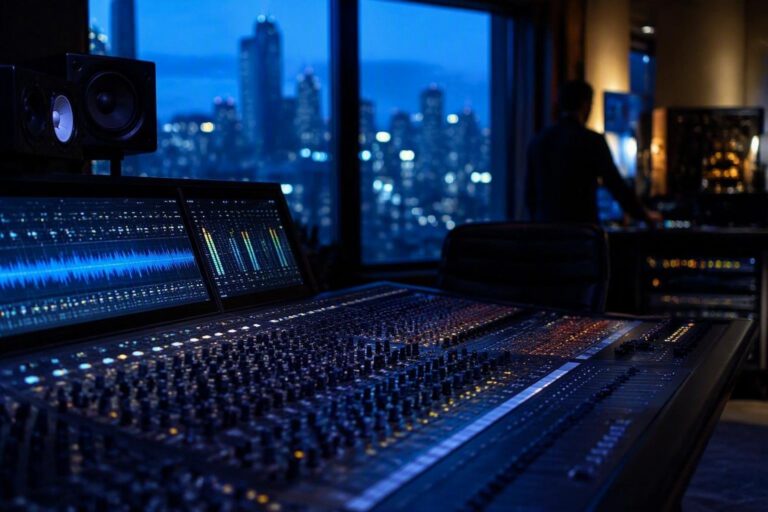
The rise of ai-generated audio has revolutionized the music industry, but it also poses a significant challenge: how to distinguish between real and fake vocals. With the increasing sophistication of deepfake technology it’s becoming harder to trust our ears when listening to our favorite tunes.
Today, effective detection combines careful listening, quick metadata checks and targeted signal analysis rather than a single trick.
Ultimo aggiornamento: 22 settembre 2026
Quick tells in ai vocals
There are several artifacts that can give away ai-generated vocals. One of the most common is breath noise which can sound unnatural or over-exaggerated.
Another tell is phrasing which can be slightly off or lack the nuances of human expression. By listening carefully to these subtle cues, you can increase your chances of detecting ai-generated audio. In 2026, add these practical checks: oddly consistent timbre across loud and soft passages, smeared sibilants on “s” and “sh,” and lyric anomalies such as mismatched pronouns or location details that don’t fit the artist’s style.
In mixed tracks, drums and guitars often reveal codec-like artifacts, while bass and lead vocals can show smoothing that masks natural micro-variations.
Tools for analyzing waveforms
Fortunately, there are several tools available to help analyze waveforms and detect ai-generated audio. These tools can help identify inconsistencies in the audio signal, such as unusual patterns or anomalies that are not typically found in human vocals. By using these tools, music producers and audio engineers can gain a better understanding of the audio they’re working with and make more informed decisions about its authenticity. Practical steps include scanning a spectrogram for repeated texture bands, running stem-by-stem checks when possible, and comparing transients and noise floors against known human takes. Remember that tool accuracy and thresholds can change; results should be weighed alongside listening notes and metadata.
Trusted verification sources
When it comes to verifying the authenticity of audio, it’s essential to rely on trusted sources. This can include official statements from the artist or their representatives, as well as independent analysis from reputable audio experts. By cross-checking information and consulting multiple sources, you can increase your confidence in the authenticity of the audio. For practical verification, review credits, ISRC and release notes for explicit AI use disclosures, and look for consistency between promotional assets, live clips and studio releases.
Platform reporting paths
If you suspect that an audio file has been manipulated or generated using ai, it’s essential to report it to the relevant authorities. This can include social media platforms music streaming services or law enforcement agencies. By reporting suspicious audio, you can help prevent the spread of misinformation and protect the integrity of the music industry. Most major platforms now provide dedicated categories for deepfakes and synthetic media; attach time-stamped examples and any analysis screenshots to speed up review.
Creator’s checklist for responsible labeling
To avoid takedowns and ensure that your audio is labeled correctly, it’s essential to follow a creator’s checklist. This can include disclosing the use of ai-generated audio providing clear attribution and complying with platform guidelines. By taking these steps, you can help maintain the trust and integrity of the music industry and avoid potential legal issues. In practice: use platform-native AI labels, note model or tool families used when allowed, keep a log of prompts and stems, and retain project files to answer provenance questions quickly.