

A wildfire that broke out near Arthur’s Seat has raised concerns about the survival of the rare Northern Brown Argus butterfly and other wildlife in Holyrood Park.
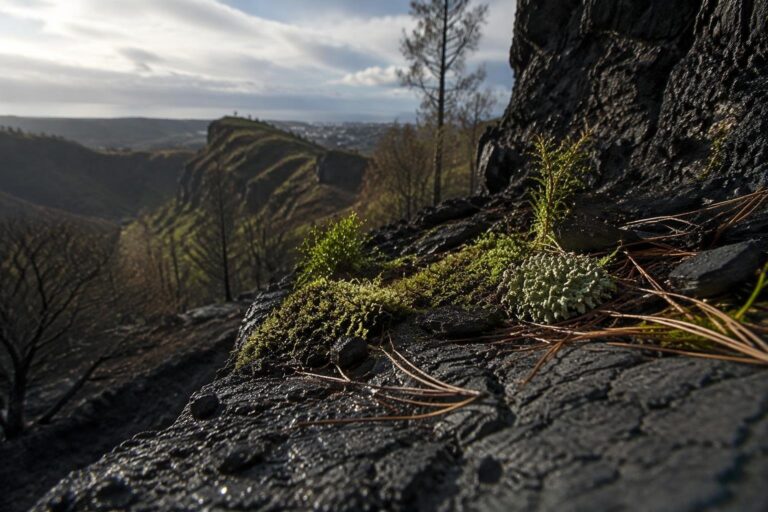
The recent wildfire that erupted on Salisbury Crags near Arthur’s Seat has left a significant portion of the cliffside charred and sparked fears for the local ecosystem. The fire, which began on Sunday, July 19, at around 6:30 pm, quickly spread to the western side of the crags, prompting a swift response from the Scottish Fire and Rescue Service.
Crews worked tirelessly throughout the night and into Tuesday afternoon to contain the blaze.
The cause of the fire remains unconfirmed, but the damage is evident. A large area of land, stretching from the Holyrood Palace side of the cliff to the western point, has been left scorched.
The destruction has raised alarms about the potential impact on the Northern Brown Argus butterfly a nationally scarce species that resides in the area.
The Impact on the Northern Brown Argus Butterfly
Matt McCabe, an Edinburgh-based ranger at Historic Environment Scotland, which manages Holyrood Park, expressed grave concerns about the fire’s impact on the butterfly population.
“The most recent wildfire is likely to have had a severe impact on a population of the very rare Northern Brown Argus butterfly,” he stated. The caterpillars of this species depend entirely on common rock-rose, a plant that has been extensively damaged in the burnt area.
The Northern Brown Argus butterfly is considered one of Scotland’s most threatened butterflies, according to wildlife charity Butterfly Conservation. The fire has destroyed the rock-rose, which is crucial for the survival of the butterfly’s caterpillars. “Unfortunately, all the rock-rose in the area is scorched beyond redemption,” McCabe explained. “If this colony has not been entirely lost, it will have been severely negatively impacted.”
Rangers and volunteers typically work through the winter to cut back gorse around sensitive habitats to minimize the impact of wildfires. However, in this case, access to the Radical Road has been restricted due to the risk of rock falls, making it difficult to fully protect the habitat.
The Broader Ecosystem of Holyrood Park
Holyrood Park is home to a diverse range of wildlife, including sparrowhawks, ravens, skylarks, stoats, weasels, and foxes. The park also hosts rare plants and greenery, such as the wildflower Stocky Catchfly and a rare moss found nowhere else in the British Isles. The wildfire poses a threat to these species and their habitats.
While wildfires can be concerning, they are also a natural part of every ecosystem. “Generally, wildfires are a natural part of every ecosystem, even in a country as infamously wet as Scotland, and habitats evolve to deal with this,” McCabe noted. Gorse, in particular, seems to recover well from wildfires, with new shoots already visible after last year’s fire.
Preventing Future Wildfires
McCabe emphasized the importance of responsible park usage to prevent future wildfires. “As park users, it is important to access the park, as well as the wider countryside, responsibly,” he advised. “Do not light barbecues or fires inside the park and ensure cigarettes are fully extinguished before being disposed of. Put litter in bins as even discarded glass can start fires.”
He also urged visitors to be aware of the latest wildfire risk forecasts and to dial 999 immediately if they see a wildfire. “Holyrood Park is an irreplaceable Scheduled Monument, and we need visitors’ help to protect it for future generations,” McCabe concluded. “Lighting unsanctioned fires increases the risk of wildfire and can cause irreversible damage to the site’s delicate ecosystems and historic landscape.”
