

A recent study published on 18/02/2026 finds that consuming milk after workouts can boost bone maintenance in older adults and may reduce the risk of serious fractures when combined with the right exercise.
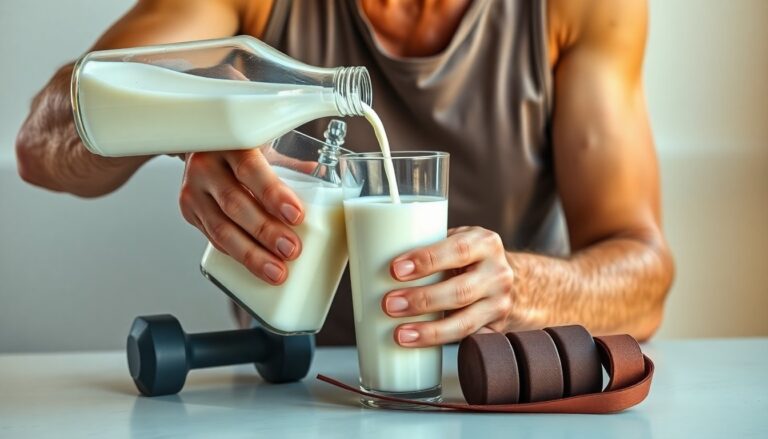
Scientists reported on 18/02/that drinking milk after resistance exercise improved biochemical and biomechanical markers linked to bone protection in older adults. The trial measured short-term responses to a milk-based recovery drink following weight-bearing sessions and found that, compared with controls, the milk group showed signals consistent with enhanced bone-forming activity.
These results point to a cheap, practical strategy that might help reduce fracture risk with age — though longer follow-up is needed before we can call it definitive.
Who did the study and where it was run are described in the published paper.
In brief, older volunteers completed supervised resistance training and were randomized to consume milk after exercise or to a control condition. Researchers focused on biomarkers associated with osteoblast activity, collagen formation and measures of bone resilience. Within the study’s timeframe the milk group registered measurable advantages on several of those markers.
What this means biologically Exercise and nutrients work together. When bone is mechanically loaded, cells sense the strain and trigger repair and rebuilding pathways (mechanotransduction). If amino acids, calcium and other substrates are available right after that signal, the processes that build new bone matrix and encourage mineralization run more efficiently. Put simply: the stimulus of training creates the demand, and timely nutrients supply the building blocks.
The effect looks synergistic rather than merely additive — pairing a bout of resistance exercise with a protein- and calcium-rich drink amplified markers of bone formation more than either stimulus alone. That provides a plausible mechanism for why a simple habit like a post-workout glass of milk could influence skeletal maintenance over time.
Caveats and the need for long-term data These are short-term biomarker changes, not yet proven reductions in fractures or sustained gains in bone mineral density. Translating early biochemical signals into long-term clinical outcomes requires larger trials, longer follow-up and reproducible results across populations. So treat these findings as encouraging signals, not conclusive proof.
Who might benefit, and when The study focused on older adults — a group that faces age-related declines in bone formation and protein synthesis. For people in that demographic who are doing regular, supervised weight-bearing or resistance training, consuming a nutrient-rich drink soon after exercise appears to be a sensible, low-cost way to deliver protein and calcium during a period of heightened uptake.
Practical, evidence-aligned suggestions – Timing: Aim to have a recovery drink within the post-exercise window identified by the study — soon after the session rather than many hours later. – What to choose: Cow’s milk is a convenient source of high-quality protein and calcium. If milk is not tolerated, choose fortified plant-based alternatives that match the calcium and vitamin D content and provide adequate protein per serving. – Consistency: The benefit seems tied to regular, repeated loading plus regular post-exercise nutrition — treat it like a habit rather than an occasional tweak. – Holistic care: Keep vitamin D status adequate, distribute protein across the day, and combine nutrition with progressive weight-bearing activity. – Personalization: Check for allergies, lactose intolerance, or medical contraindications. For those with complex medical histories or who take medications that affect bone metabolism, consult a clinician before changing routines.
Safety, limitations and product differences Not all plant-based milks are nutritionally equivalent: protein content, calcium levels, vitamin D fortification and added sugars vary by brand. Read labels to compare grams of protein and milligrams of calcium per serving. Milk allergy requires strict avoidance; lactose intolerance can often be managed with lactose-free dairy or suitable substitutes. People on chronic corticosteroids, proton-pump inhibitors, or with malabsorption may need tailored assessment and supplementation.
Putting this into context No single habit removes fracture risk. Genetics, hormones, chronic disease, medications, long-term activity patterns and Pairing weight-bearing exercise with timely nutrient intake is a low-cost, low-risk layer in a broader fracture-prevention strategy: diversify your “portfolio” of measures — strength training, adequate protein and micronutrients, smoking cessation, moderated alcohol, and regular screening where appropriate. It’s a small, easy change that fits naturally into a broader approach to musculoskeletal health. But larger and longer trials are needed to determine whether these biochemical gains translate into fewer fractures and better function over the long haul. Before making major dietary or exercise changes, especially if you have health conditions or take medications, consult your healthcare provider.
