

Learn practical active recovery strategies and the best tools to support sleep, mobility and muscle relief so you can train consistently and feel better day to day
Who gets the most from active recovery
If you train regularly — whether you’re a competitive athlete, a weekend warrior, a runner, or someone who spends long hours on their feet — active recovery will help you bounce back faster. It’s not just something to reserve for rest days.
Think of it as gentle movement between tough sessions that helps you feel fresher, sleep deeper, and keep making gains without unnecessary downtime.
What active recovery looks like
Active recovery swaps complete inactivity for low‑intensity, restorative practices. Short mobility flows, easy cardio (walking, light cycling), breathwork, and targeted soft‑tissue work all fit here.
The aim is simple: ease soreness, calm the nervous system, and promote better sleep so your next hard session hits harder.
When and where to use it
You can squeeze active recovery in almost anywhere — between workouts, after a long shift, or as part of an evening unwind routine.
At home, in the gym, or while running errands: the point is to build small, doable habits into busy days so recovery doesn’t get bumped to the bottom of the to‑do list.
Why it pays off
Regular low‑effort recovery shortens the time you feel sore, lowers physiological stress tied to overtraining, and protects long‑term progress. Little, consistent actions reduce performance dips and cut down injury risk, meaning you can train hard more often without burning out.
Let data help — but don’t let it boss you
Wearables have made it easier to move beyond guesswork. Readiness scores and trends built from sleep stages, resting heart rate, heart‑rate variability (HRV), and skin temperature can flag mounting fatigue before performance drops. That gives you the chance to swap a heavy lift for a mobility session or an easy bike ride.
Handy monitoring rules
– Treat device readouts as signals, not diagnoses. They’re helpful guidance, not gospel. – Track a baseline for a couple of weeks to understand your normal patterns. – Blend objective metrics with how you feel. If the numbers and your intuition disagree, lean toward caution.
A device example: Oura Ring 4
The Oura Ring 4 packages sleep, resting heart rate, HRV and temperature into a daily readiness score. Expect around 5–8 days of battery life and a full charge in roughly 80 minutes. Deeper trend analysis requires a subscription (around £5.99/month after trial), which many users find useful for planning recovery-focused weeks.
How to handle a low‑readiness day
When your score dips, choose gentle options: mobility drills, a relaxed walk, 15–30 minutes of low‑intensity cardio, stretching, or breathing and relaxation practices. These activities keep you moving without overtaxing recovery systems, so you return to higher‑intensity work sooner and stronger.
Gear that makes recovery stick
Small, well‑chosen items reduce friction and make it easier to follow through:
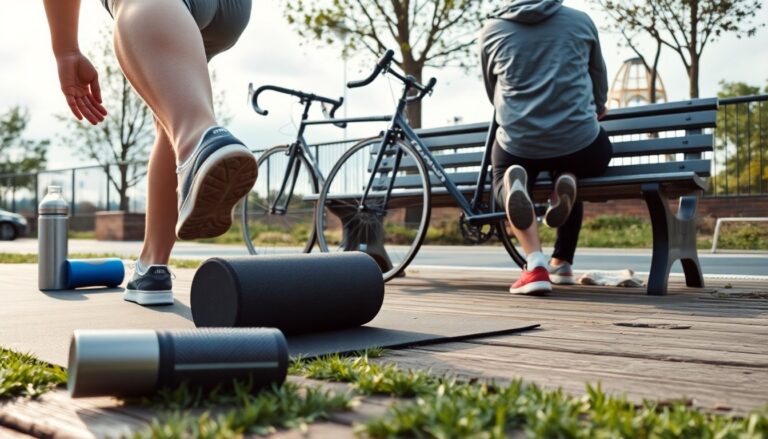
– Shoes: cushioned, supportive trainers (for example, New Balance 530) protect joints if you’re adding daily steps. – Clothing: midweight, stretchy layers (Alo Yoga crew or Tala DayFlex leggings) make movement comfortable. – Basics: a foam roller, resistance bands, and a stable mat (Lululemon The Mat 5mm is a reliable pick) simplify brief mobility routines and help keep form safe.
Simple at‑home relief for tight muscles
Textured foam rollers with trigger zones replicate hands‑on pressure and work well for glutes, hamstrings, and the upper back. For topical relief, warming–cooling balms like Tiger Balm Muscle & Tension Lotion (methyl salicylate, camphor, menthol) offer quick, easy relief and a pleasant sensation. Add short mobility sessions, a gentle walk, or a few breaths to your routine, and you’ll notice the difference in how you feel and how you perform.
