A simple air-quality test in a Cornwall living room showed clear PM2.5 spikes after lighting a wood burner, leading the household to limit regular use
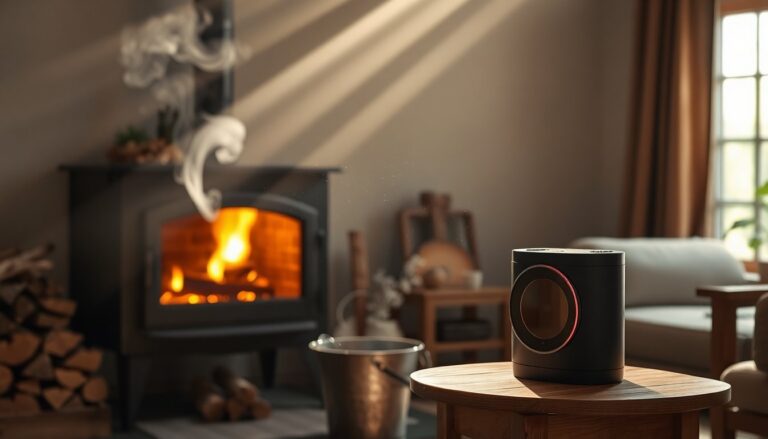
The increasing popularity of domestic stoves has raised fresh questions about indoor air quality. In a small, practical assessment conducted in a rural family living room, continuous readings from an air quality monitor revealed that lighting a wood-burning stove produced clear and repeatable surges in PM2.5.
For readers unfamiliar with the term, particulate matter (PM) refers to tiny airborne particles; PM2.5 designates particles with diameters of 2.5 micrometres or less, small enough to reach deep into the lungs and sometimes enter the bloodstream. The test results, paired with wider research and emerging policy measures, helped the household reconsider how often the stove should be used.
What the in-home measurements showed
The device logged PM2.5 every two minutes while positioned in the main living area near the stove over five evenings. During periods when the fire was active, average concentrations rose substantially compared with times when the stove was cold.
Across the monitored sessions the mean concentration while burning was about 9.34 µg/m3, whereas during non-burning periods averages sat close to 0.64 µg/m3. On three out of five evenings the burning period produced hourly averages above 10 µg/m3, and the single highest instantaneous reading reached 24.46 µg/m3. These patterns demonstrate that stove use was the principal driver of indoor spikes in this home.
Example of a typical evening spike
A representative evening underlined how quickly pollution climbed: before lighting, PM2.5 was often at or below 1 µg/m3; the stove was lit at 7.10pm and the following hour produced averages near 16.24 µg/m3, then eased to about 10.07 µg/m3 in the hour afterwards. A brief addition of fuel later in the night kept levels elevated without producing another sharp peak. These transitions show the clear temporal link between adding fuel and short-term indoor particulate concentrations.
Why these particles matter for health
Research has repeatedly connected exposure to PM2.5 with a broad range of health problems. Because PM2.5 can penetrate deep into the lungs and enter the bloodstream, scientists link it to cardiovascular disease, respiratory illness and other long-term conditions. A 2019 review identified associations with heart disease and certain cancers, while a 2026 report from the University of Cambridge strengthened evidence tying prolonged exposure to air pollution with higher dementia risk. Public health bodies are concerned because even relatively low levels of fine particles have been associated with measurable harms, and particulate emissions from wood burning are considered especially potent.
How the home figures compare with guidance and studies
The World Health Organization’s recommended 24-hour mean for PM2.5 is 15 µg/m3. The household averages recorded during burning remained under that 24-hour threshold, yet hourly peaks exceeded it on several occasions. This mirrors academic studies that tracked multiple homes and reported significant increases in both PM2.5 and PM10 during stove operation. Broader analyses have also estimated that emissions from domestic wood burning contribute to thousands of cases of chronic illness nationally, including thousands of diabetes and asthma cases attributed in one report to this pollution source.
Practical responses and policy context
After reviewing the data, the family chose to change their routines: rather than run the stove nightly through the season, they decided to reserve it for special occasions. This compromise acknowledges the stove’s warmth and cultural value while reducing daily exposure to airborne particles. At a policy level, regulators have proposed measures such as mandatory health warning labels for stoves and tighter emission limits (including proposals to cut permitted smoke emissions dramatically for new appliances). Officials argue these steps will help households make informed choices and reduce population exposure to harmful particulate pollution.
Takeaways for households
For anyone who uses a wood-burning stove, simple actions can reduce exposure: keep fuel dry and well-seasoned, use the stove sparingly, ensure good ventilation when lighting and maintain the appliance to burn more cleanly. Monitoring with an affordable air quality monitor can reveal room-specific patterns and guide practical decisions. Combining personal behaviour changes with evolving regulations and cleaner technologies offers the most realistic route to lowering indoor PM2.5 exposure while preserving the benefits of a wood fire for occasional use.