A hands-on test of Aldi's budget ice bath reveals what works, what doesn't and who should consider a cold plunge.
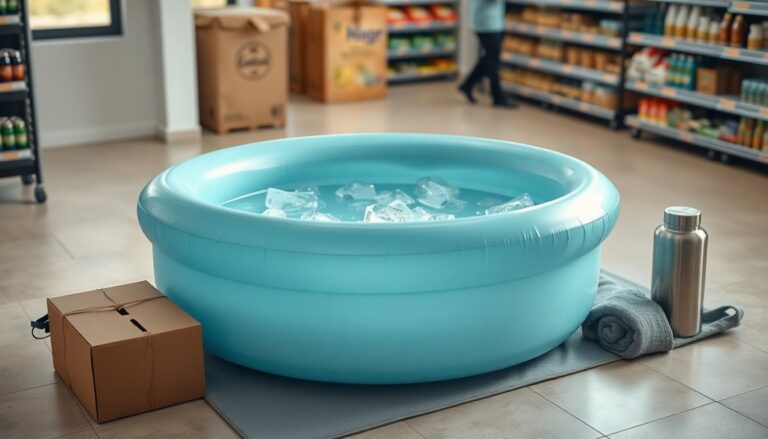
On 18/04/2026 Harry Bamforth tested a surprising bargain from a supermarket aisle: an inflatable tub selling for £24.99. Retailers like Aldi have turned a household aisle into a place to pick up recovery gear, and this compact product promises the benefits of a cold plunge without the cost of a dedicated tub.
The experiment here is simple: unbox, fill, chill and see whether a budget blow-up tub can offer the recovery advantages athletes and weekend warriors chase. In what follows I describe setup, comfort, performance and safety observations so readers can decide if this inexpensive option fits their routine.
First impressions and practical setup
The unit arrives as a lightweight, inflatable basin that feels markedly different from rigid cold tubs. Setup is straightforward: inflate the walls, position the tub on a level surface, and add water and ice. For many readers the headline is the price — £24.99 — but the real takeaways are durability and ease of use.
I found the materials acceptable for occasional use, though not as robust as purpose-built units. The design suits people who need a portable solution. If you plan frequent sessions, expect to reinflate, dry and store the tub regularly. Quick wins include using a tarp underneath and a thermometer to monitor water temperature for consistent recovery sessions.
How it performs as a recovery tool
What matters most is whether the tub supports the physiology behind cold therapy. The inflatable basin comfortably fits a seated adult and holds enough water to immerse legs and, for shorter users, hips. With sufficient ice it achieves temperatures associated with a typical cold plunge session. The immediate sensation is sharp cold followed by gradual adaptation, which many athletes describe as part of the benefit. In practical terms, this little tub delivers the core feature: controlled cold exposure. However, the thermal stability is less reliable than a dedicated chiller system, so sessions require active monitoring and fresh ice to maintain the target range for effective recovery.
Why cold plunges help recovery
At its simplest, a cold plunge reduces local blood flow and inflammation through vasoconstriction, followed by increased circulation during rewarming. This cyclical response underpins short-term relief after intense exercise. The mechanism — sometimes referenced as contrast therapy when paired with heat — is useful for managing soreness and perceived fatigue. Using an inflatable tub, you can approximate those effects if the water is cold enough and immersion time is appropriate. That said, results vary by person: some athletes swear by regular plunges, while others find only marginal benefit. The Aldi tub allows experimentation without a big financial commitment.
Comfort, safety and realistic expectations
Comfort in a blow-up tub differs from a built-in option. The inflatable walls offer some cushioning, but sitting in cold water for 5–10 minutes requires mental preparation more than ergonomic support. Safety considerations are crucial: control water temperature, limit session length and avoid plunges if you have cardiovascular issues without medical advice. The low cost means occasional users can test protocols like 2–3 minute exposures or progressive cooling. For regular, disciplined recovery routines, a sturdier tub or a professionally maintained setup remains preferable. Nevertheless, for enthusiasts curious about cold plunge effects, this Aldi product is a plausible entry-level tool.
Tips for best use
To get the most from an inflatable ice bath, follow simple practices: pre-chill water if possible, keep a thermometer on hand, and plan short, consistent sessions. Use a groundsheet to protect the base and a cover to keep water clean between uses. Combine plunges with light mobility work after warming up to enhance circulation. When testing cold exposure for the first time, start conservative: shorter durations and slightly higher temperatures will reduce shock. If you find the experience beneficial, consider upgrading later to a more durable setup; the Aldi tub serves well as an economical trial platform.
Verdict: who should buy it?
Ultimately the value comes down to intent. If you want an affordable way to try the cold plunge concept without investing heavily, the £24.99 inflatable tub from Aldi is an effective low-risk option. It delivers the essential elements of cold-water immersion and allows users to explore recovery protocols. However, athletes relying on daily, precise recovery cycles or those seeking a long-term, maintenance-free installation should weigh durability and temperature control before committing. For curious exercisers and budget-conscious users, this product is a sensible first step into the world of cold therapy.