

Learn what causes plantar fasciitis, why the pain is often worst first thing in the morning, and which conservative and medical treatments have evidence of benefit. This article covers simple self-help techniques, footwear advice, orthotics, shockwave therapy and when surgery is considered.
The experience of sudden, stabbing pain beneath the heel is common and disabling for many people. Known medically as plantar fasciitis, this problem results from excessive strain on the fibrous band that runs from the heel to the toes. Readers will find here a clear explanation of the mechanics behind the pain, the typical triggers, and a practical review of both low-tech and high-tech interventions that are used to relieve symptoms and stimulate healing.
Symptoms often follow a predictable pattern: intense pain with the first steps after a night’s rest, some improvement after walking briefly, then a return of discomfort after long periods of standing or walking. This piece explains why that happens and outlines conservative measures that most clinicians recommend before considering invasive options.
What causes the pain and why mornings hurt most
The core problem is mechanical overload of the plantar fascia, a thick connective tissue that maintains the foot arch. In simple terms, the tissue develops tiny tears and irritation where it attaches to the heel bone when exposed to repeated or excessive forces.
The overnight position of the foot — with toes pointed down — allows the fascia to shorten and stiffen; standing up in the morning produces a rapid stretch that pulls on the irritated heel, producing that characteristic sharp pain. Over the course of the day, the tissue warms up and symptoms may ease, only to return if the fascia is reloaded excessively.
Who is most at risk and common triggers
While people aged 40 to 60 are more frequently affected, plantar fasciitis can occur across ages. Risk factors include excess body weight, sudden increases in exercise intensity (particularly running on hard surfaces), occupations requiring prolonged standing, and footwear with minimal support such as thin-soled flats or ballet-style shoes. Structural features of the foot — notably flat feet or high arches — can create ongoing abnormal stress on the fascia, making prevention and treatment more challenging.
Muscle tightness and biomechanics
Tight calf muscles limit ankle motion and shift extra load onto the plantar fascia. Simple stretching routines that target the calves and Achilles tendon reduce this compensatory strain. For many people, a consistent program of calf and plantar fascia stretches is a cornerstone of recovery, because these exercises increase ankle dorsiflexion and lessen the pull on the heel attachment.
Practical self-care and over-the-counter aids
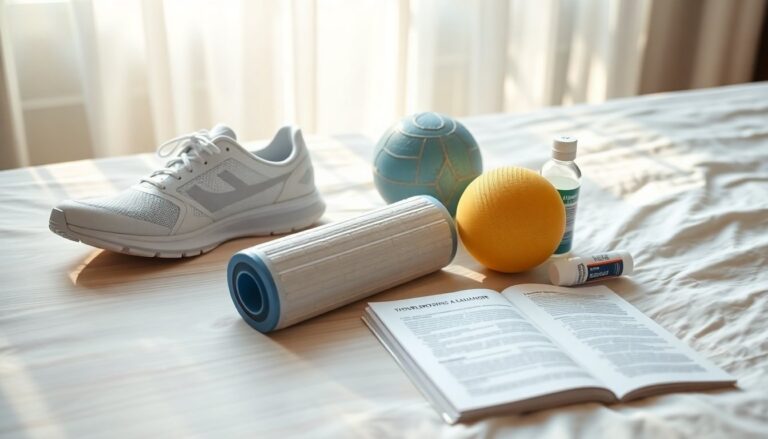
Initial management usually focuses on limiting activities that aggravate the fascia and supporting the foot. Rolling a firm object such as a rolling pin or a small spiky ball along the sole helps mobilize the tissue and can reduce tightness when performed for a couple of minutes several times a day. Rolling a frozen bottle combines mechanical massage with cooling to help reduce local inflammation. Topical balms with menthol or arnica may provide short-term relief largely through massage and cooling sensations rather than deep tissue healing.
Supportive socks, insoles and footwear
Compression socks marketed for plantar fasciitis can feel helpful due to their pressure effect, but they rarely correct the root problem. Over-the-counter insoles with a deep heel cup, solid arch support and semi-rigid construction can reduce strain for mild to moderate cases. For persistent symptoms, custom-made orthotics from a podiatrist are more precise. Shoes should include a firm heel counter, a stable midsole, adequate heel cushioning and a roomy toe box; thin canvas trainers and ballet flats are poor choices.
Clinical treatments: when to escalate
When conservative measures fail to produce reasonable improvement after several months, clinicians consider more advanced options. Night splints hold the foot in a neutral position to prevent nocturnal shortening of the fascia, reducing the severe first-step pain. Some patients accept the temporary discomfort of wearing a splint in exchange for reduced morning spikes.
Shockwave therapy and surgical options
Shockwave therapy applies high-intensity sound waves through the skin to provoke a controlled inflammatory response that can stimulate healing. It is typically delivered in multiple sessions and shows benefit particularly for long-standing cases that have not responded to conservative care. For refractory cases, minimally invasive procedures such as radiofrequency-assisted topaz ablation create tiny perforations in the diseased fascia to trigger a healing response. These procedures are not universally available on public health systems and are generally considered only after thorough non-surgical treatment trials.
In summary, most people with plantar fasciitis improve with a combination of activity modification, stretching, supportive footwear and orthotics. When those measures are insufficient, targeted therapies such as night splints, shockwave therapy or minimally invasive surgery offer additional options. Early attention to biomechanics and sensible footwear choices can often prevent the condition from becoming chronic.
