Open the menu and actually want every option: a fully plant-based subscription that prioritizes variety, convenience and nutritional balance
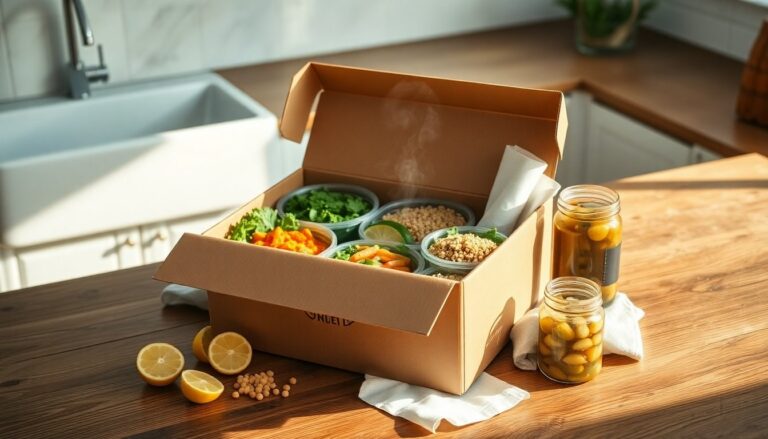
Affiliate disclosure: this article contains affiliate links, and we may earn a small commission if you decide to purchase through them; this does not influence our editorial judgement. As someone who eats vegetarian, I long ago grew weary of meal services where large portions of the menu were irrelevant to my diet.
Finding a subscription where every dish suits my lifestyle felt rare, so when I discovered Grubby I noticed straight away that its entire offering is plant-based—no hidden vegetarian sections, no endless scanning—just dishes I can actually eat and enjoy.
The next sections explain why that matters and what else the service includes.
Context matters: many boxed meal plans and convenience brands present vegetarian options as an add-on, often predictable and limited. By contrast, a company built around vegetables and legumes treats them as the centrepiece rather than the afterthought.
That shift changes how menus are written, how recipes are developed and how appealing convenience food can be for people avoiding meat. In this article I outline the service’s structure, the variety mechanics it uses, and two lifestyle products mentioned alongside the meals that reflect the same convenience-first approach.
What it means to be fully plant-based
When a brand positions itself as entirely plant-based, the consequences ripple through product design, sourcing and nutrition. Plant-based here signals that every recipe has been conceived for vegetables, pulses and grains first, rather than being an adaptation of meat-centered dishes. The company behind this service claims to be the first UK business to offer both recipe boxes and ready meals exclusively made from plants, a detail that reassured me because it meant menu choices were created to shine on their own. That focus also supports collaborations with established names such as BOSH! and Mildreds, and the service reports having served more than 2.5 million meals, illustrating growing demand for mainstream, plant-led convenience.
Plant Points and escaping meal monotony
One of the practical features designed to break routine is a system called Plant Points, which encourages customers to widen the range of plants they eat each week. Rather than cycling the same three recipes, subscribers are nudged toward different legumes, grains and vegetables so variety—and nutrition—improves organically. Alongside that, the menu aims for balanced macronutrients and higher protein content than many people expect from quick plant-based dishes. For anyone who repeatedly shops the same handful of meals, these tools help introduce new staples without turning dinner into a chore.
Flexibility: meal kits versus ready-to-heat options
One of the reasons this service appealed to me was its flexible format: customers can pick either fresh meal kits designed to be cooked in around 30 minutes or ready meals that heat in minutes. The meal kits suit evenings when you want to cook but don’t have time to plan, while the ready meals serve busy days or nights when energy is low. The brand positions these dishes as chef-developed, emphasising that convenience need not mean blandness—meals are marketed as nutritionally balanced and satisfying, which helps shift perceptions of what ready plant-based food can be.
How convenience extends beyond food
The article that inspired this piece also mentioned lifestyle tools that mirror the same convenience-first promise. One is an at-home IPL handset by Keskine, which claims up to 98% hair reduction in four weeks, includes cooling technology for comfort, and offers treatment sessions starting from 24 minutes; it is priced at around £199 (was £299). Another is a dental brightening range from MySweetSmile, offering products such as whitening powder and targeted strips to tackle surface and deeper stains from tea and coffee for under £2 per use, with bundle deals and seasonal discounts available. Both examples underline a trend: people want effective, lower-cost at-home solutions that save time without sacrificing results.
In short, choosing a subscription where every dish is suitable for your diet removes a common barrier to trying a service. When you combine that with thoughtfully designed variety systems, flexible preparation formats and the reassurance of reputable collaborations, the decision to subscribe becomes easier. Whether you’re a vegetarian, a curious flexitarian or someone exploring plant-led eating, a fully plant-based provider that delivers both variety and convenience is worth investigating—and the additional lifestyle products mentioned show how convenience-focused thinking spills beyond the kitchen.