Uncover the secrets to successful brand collaborations at global carnivals, from Notting Hill to Rio, and learn how to engage with cultural events respectfully and effectively
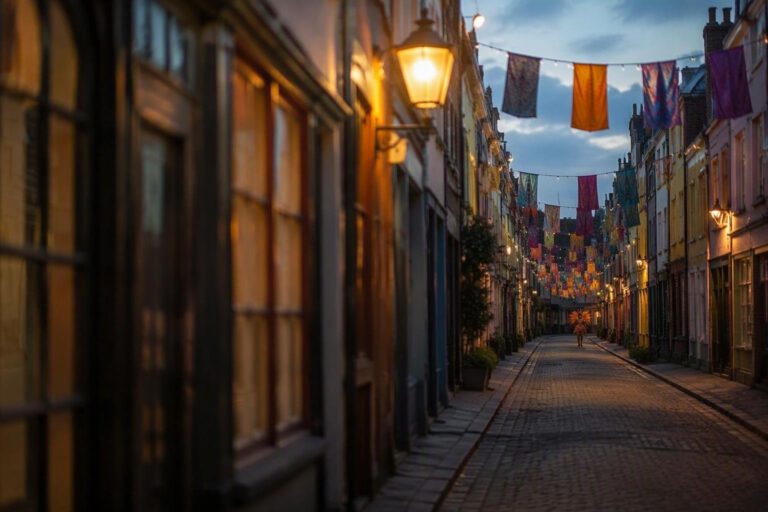
The vibrant streets of West London will soon pulsate with energy as the Notting Hill Carnival takes center stage on August 30-31. This annual spectacle draws millions of attendees, creating a unique canvas for brand visibility. However, the challenge lies in crafting activations that honor the event’s cultural roots rather than merely capitalizing on its popularity.
Similar questions arise for other global street festivals, such as Paris’s Fête de La Musique and Rio de Janeiro’s carnival. These events, deeply rooted in the Black diaspora, demand a nuanced approach from brands. The goal should be to create brand-second activations that prioritize cultural respect and community impact over mere commercial gain.
The Economic and Cultural Impact of Carnivals
The economic significance of these carnivals is substantial. For instance, the Notting Hill Carnival generates over £396 million annually, according to research commissioned by The Voice in 2026. This economic impact underscores the potential for brand visibility but also highlights the scrutiny that comes with it.
The Mayor of London recently allocated £4.66 million in additional funding to manage crowding, reflecting the event’s massive scale.
In 2026, the carnival attracted between one and two million visitors, featuring 36 sound systems, 48 mas bands, and 250 street traders. Brands like Adidas, Stüssy, Puma, Diesel, and Converse have all participated, drawn by the event’s extensive reach. Similarly, Fête de La Musique in Paris drew an estimated two million attendees this summer, with numerous brand activations adding to the festive atmosphere.
Cultural Credibility and Subtle Branding
Hari Blanch Bennett, a creative strategy expert at Kantar, emphasizes the importance of brands adding to the culture rather than borrowing from it. Puma’s sponsorship in 2026 serves as a successful example. The brand collaborated with historic sound systems King Tubby’s and Rampage, organizing performances and hosting a pop-up customization workshop with British-Caribbean designer Sharkkana and sneaker artist Latya.
While visible branding has its place, subtlety is key. Sophie Borelly, managing director at On Road, advises brands to focus on tangible impact. This could mean broadening access to soundsystem culture for young people or creating chill-out spaces for community elders. The goal is to enhance the cultural experience rather than overshadow it.
Empowering the Community
Brands must engage with the community directly, consulting them on programming to ensure authenticity. This approach can be challenging for brands accustomed to total marketing control but is crucial for building strong partnerships. Jawara Alleyne, a Caymanian-Jamaican designer, highlights the importance of community involvement. His collaboration with Converse on a line of deconstructed garments for a mas band underscores the value of community-driven initiatives.
Last year, Alleyne worked on a project to gift deconstructed garments to a mas band, with Converse supplying the shoes. This type of collaboration not only supports the community but also ensures that the brand’s involvement is perceived as genuine and respectful. By empowering the community, brands can create activations that are both culturally relevant and impactful.
As brands continue to explore collaborations with global carnivals, the focus should remain on cultural respect and community empowerment. By putting themselves second, brands can create activations that truly honor the spirit of these vibrant celebrations.