Prince Harry met the Movember team at the Western Bulldogs' Whitten Oval, visited the Royal Children's Hospital and participated in a pottery activity at the Australian National Veterans' Art Museum
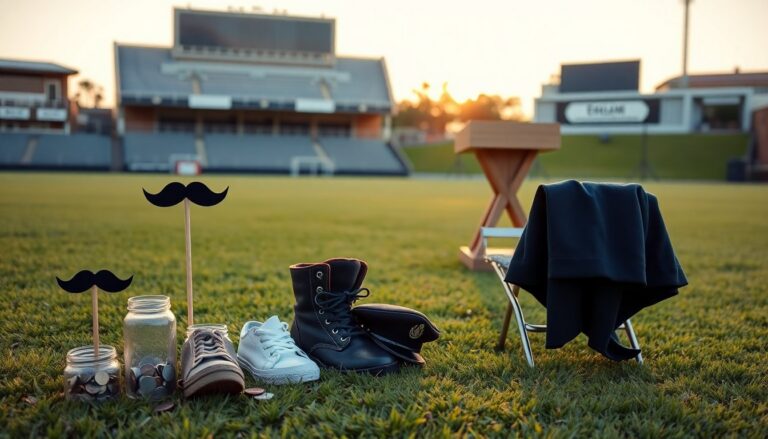
Prince Harry spent part of his visit in Melbourne engaging directly with community groups and charities. He began by meeting organisers at the Whitten Oval, the training and administrative base of the Western Bulldogs, where he joined staff and volunteers involved in the Movember campaign.
Onstage he answered questions about the initiative and its aims, offering public support to a cause that links awareness-raising with tangible funding for health research and services. The appearance was part of a broader set of stops that blended public interaction with hands-on activities, showing a mix of advocacy and personal engagement.
Later on the same visit the couple spent time at the Royal Children’s Hospital, greeting patients, families and medical staff. They embraced young patients and posed for photographs, with crowds gathering to cheer their arrival along the hospital walkways.
Their meeting was informal and focused on connection: conversations with children, time with families and moments that aimed to lift spirits. The warmth of the reception underlined the public interest in their visit and highlighted the hospital stop as a key human element in a day otherwise filled with advocacy and community outreach.
Backing Movember: purpose and impact
At the core of the event at Whitten Oval was the Movember movement, which began in Melbourne as a local idea and has grown into an international campaign. The organisation concentrates on men’s health issues, with particular attention to mental health, suicide prevention, prostate cancer and testicular cancer. The campaign’s public face is the month-long tradition of growing a moustache to spark conversations and fundraising; in Australia the moustache is often called a Mo. Over the years the campaign has generated substantial funding across multiple countries and has supported a large portfolio of health projects aimed at improving outcomes for men.
Hospital visit: personal moments and public response
The stop at the Royal Children’s Hospital combined tenderness with spectacle. The couple met patients in wards and communal areas, spending time listening to families and offering encouragement. Photographs from the visit show the pair interacting warmly with children and hospital staff, a scene that attracted a sizeable public turnout outside the facility. The visit served both an empathetic purpose—comforting young patients—and a public relations function, reinforcing the couple’s interest in charitable causes and health-related outreach. By staying for conversations and pictures, they helped to spotlight the hospital’s work and the needs of the families it serves.
Public reaction and atmosphere
Outside the hospital, hundreds of well-wishers lined pathways to greet the visitors, creating a lively and supportive atmosphere. Cheers and applause accompanied the couple as they moved through public areas, reflecting strong local interest in their presence. The crowd interaction illustrated how a brief public engagement can energise community attention around broader themes such as healthcare and veteran support. These spontaneous exchanges also provided photo opportunities and moments of connection that resonated with both local attendees and wider audiences following the visit through media coverage.
Veterans’ art: pottery and shared stories
Following the hospital engagement, the couple changed into matching olive-green attire for a visit to the Australian National Veterans’ Art Museum. There they joined a pottery workshop alongside children connected to veterans—young participants the museum refers to as doves. Putting on aprons, they took part in crafting activities that combined creativity with therapeutic expression. Meghan made a small clay ostrich while Harry worked with other attendees, showing an interest in the tactile, communal side of the session. The museum stop emphasised the role of art in healing and the importance of recognising veteran families.
Hands-on activity and symbolism
The pottery session was intentionally interactive: working with clay can offer a calming focus and a way to tell personal stories through objects. For veterans and their children, creative programs at institutions such as the Australian National Veterans’ Art Museum provide meaningful outlets and opportunities for recognition. The couple’s participation highlighted how public figures can bring attention to arts-based support services for military families. Their involvement combined symbolism with substance, drawing attention to the museum’s mission while sharing a simple, human activity that underscored empathy and community support.
Connecting visits and causes
Taken together, the stops at the Whitten Oval, the Royal Children’s Hospital and the veterans’ art museum presented a cross-section of charitable engagement: advocacy for men’s health, comfort for sick children and practical support for veteran families through arts programming. Each engagement offered a different way to connect: public advocacy on a stage, personal conversations at a hospital bedside, and collaborative creativity in a studio. These moments reinforced core messages about health, care and community, while showcasing the ways in which high-profile visits can amplify attention and funding for important causes.